Outdoor Storage Solutions to Keep Equipment Safe
A contractor we know parked his backhoe at a job site overnight because he didn't have anywhere else to put it. The site was "secured" with some temporary fencing and a padlock. He figured one night wouldn't matter.
Someone cut through the fence, hotwired the machine, and drove it onto a flatbed. By morning, $80,000 worth of equipment was gone. Insurance covered part of it—after a fight and a deductible—but he was down a machine for months while waiting for a replacement. Jobs got delayed. Customers got frustrated. The ripple effects lasted longer than the machine itself.
This story isn't unusual. Equipment theft is a billion-dollar problem in the construction industry, and most of it is preventable. The question isn't whether you can afford proper heavy equipment storage—it's whether you can afford not to have it.
Why Contractors Choose Outdoor Storage
Indoor warehouse storage sounds great until you see the cost. In the Phoenix area, warehouse space runs $8-15 per square foot annually. An excavator needs 200+ square feet just to park, plus maneuvering room. That adds up fast.
Outdoor storage costs a fraction of indoor rates while providing what matters most: security and accessibility.
The real advantages:
- Park vehicles and equipment without unloading
- Drive in and out quickly
- Scale space up or down as projects change
- Access 24/7 without waiting for facility hours
- Store items too large for standard buildings
The trade-off is weather exposure, which is real but manageable. Equipment is built to work outside. With proper preparation and quality storage conditions, outdoor storage works for everything from hand tools to heavy equipment.
What "Secure" Actually Means
Every storage facility claims security. The word has become meaningless in marketing. What matters is the actual infrastructure and practices that protect your equipment.
The Perimeter
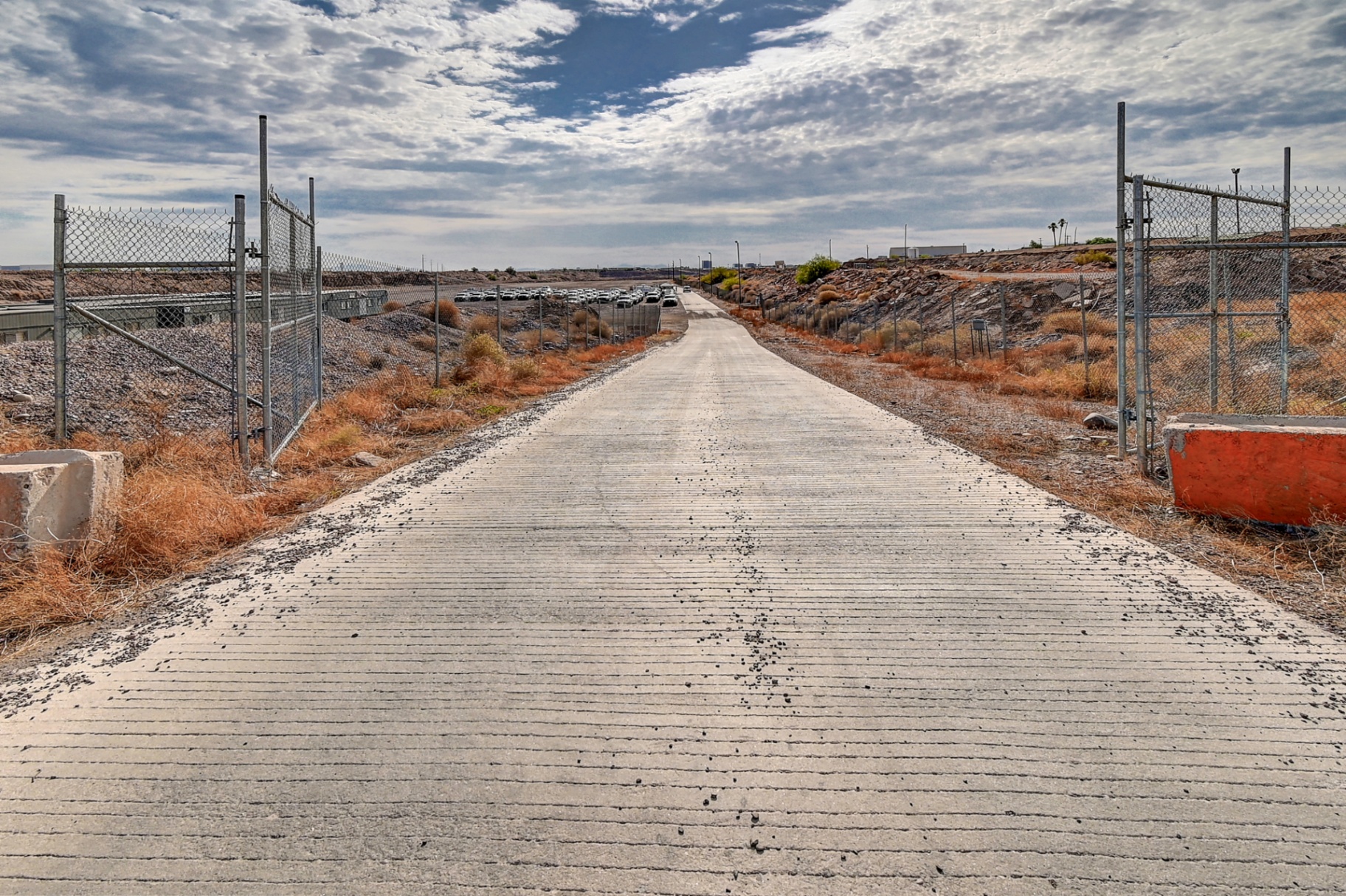
Your first line of defense is keeping people out. Real perimeter security includes:
Fencing requirements:
- Minimum 6 feet high, ideally 8 feet
- Commercial-grade construction (not residential chain-link)
- Anti-climb features on top (barbed wire, razor wire, or outward-angled extensions)
- No gaps at the bottom or at fence posts
- Regular inspection and immediate repair of any damage
What to watch out for:
- Residential-grade fencing that can be cut with hand tools
- Gates that don't close flush to posts
- Areas where vegetation provides cover for entry
- Fencing that's been patched rather than properly repaired
A determined thief can defeat any fence given enough time and privacy. The goal is to make entry difficult and obvious—slow them down and increase the chance they'll be seen.
Access Control
Who gets in, and how?
Basic (minimum acceptable):
- Combination locks changed regularly
- Gate closes automatically after entry
- All tenants briefed on security protocols
Better:
- Individual keypad codes for each tenant
- Entry logging with timestamps
- Codes can be deactivated immediately for former tenants
- Separate codes for employees vs. owners
Best:
- Key card or fob access with individual identification
- Photo capture at entry
- Dual authentication for high-value areas
- Mobile app access with real-time notifications
The weak point in any access system is code sharing. Someone gives their buddy the gate code, that buddy tells someone else, and within a year your "secure" facility is accessible to anyone who asks around. Individual codes that can be traced and deactivated solve this problem.
Surveillance
Cameras serve two purposes: deterrence and evidence. For deterrence, cameras need to be visible. For evidence, they need to actually capture useful footage.
Coverage requirements:
- All entry and exit points
- Perimeter fence lines
- Main traffic lanes
- Every parking area with stored equipment
Quality considerations:
- Resolution high enough to identify faces and license plates
- Night vision or infrared for 24-hour coverage
- Wide-angle lenses without blind spots
- Weather-resistant housings
Recording and storage:
- Minimum 30-day footage retention
- Cloud backup in addition to local storage
- Quick retrieval process for incident investigation
- Regular testing to ensure cameras are functional
Fake cameras are worse than no cameras. They create false confidence while providing zero protection. If you can't verify that surveillance is real and functional, assume it isn't.
Lighting
Criminals prefer darkness for obvious reasons. Proper lighting makes unauthorized activity visible and captured by cameras.
Coverage:
- Entire lot illuminated, not just entrance areas
- No dark corners or shadowed areas
- Motion-activated lighting for additional alerting
- Quick replacement of burned-out fixtures
Light quality:
- Bright enough for cameras to capture detail
- Even distribution without harsh shadows
- LED fixtures for reliability and efficiency
- Timer or sensor controls (not manual switches)
Visit potential storage facilities after dark. The difference between "well-lit" in marketing and actually well-lit in reality is often significant.
Preparing Equipment for Outdoor Storage
The facility provides security. You provide equipment preparation. Both are necessary.
Heavy Equipment
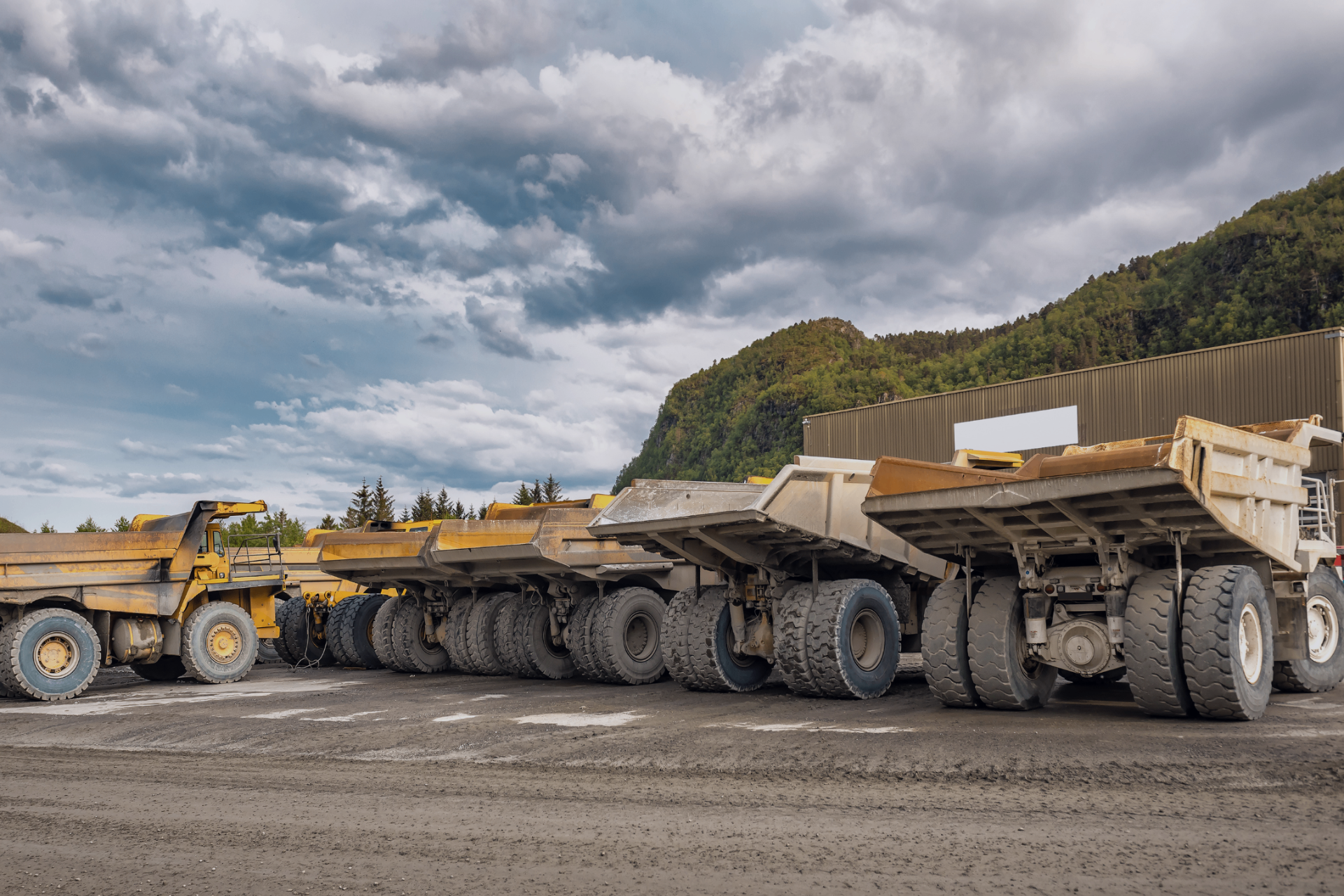
Excavators, loaders, dozers, and similar machines need specific preparation:
Before storage:
- Clean thoroughly—dirt holds moisture that causes rust
- Top off all fluids to prevent condensation in tanks
- Fill fuel tank and add stabilizer for storage over 30 days
- Lubricate all grease points
- Retract hydraulic cylinders or cover exposed surfaces
- Disconnect battery cables (negative first)
During storage:
- Start engine monthly and run to operating temperature
- Cycle hydraulics through full range of motion
- Check for fluid leaks or damage
- Verify security measures are intact
Arizona-specific concerns:
- UV damage to rubber hoses, seals, and exposed surfaces
- Dust infiltration into air systems and cab interiors
- Extreme heat effects on batteries and fluids
- Monsoon water exposure
Commercial Vehicles
Trucks and trailers have their own preparation needs:
Trucks:
- Fuel stabilizer for diesel sitting more than 30 days
- Battery maintainer or disconnect for extended storage
- Tire overinflation (10-15% above normal) to prevent flat-spotting
- Brake release to prevent rotor rust
- Check coolant concentration for temperature extremes
Trailers:
- Lock and secure all doors and hatches
- Disconnect and store breakaway cables
- Check wheel bearings and grease if needed
- Inspect and inflate tires
- Cover any exposed cargo areas
Smaller Equipment and Materials
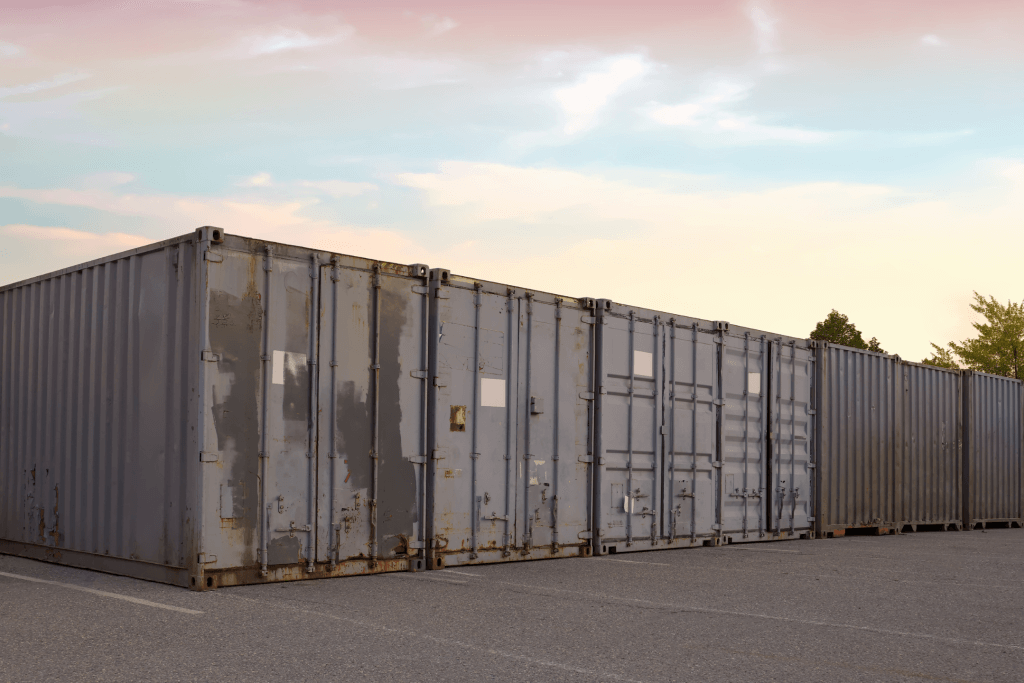
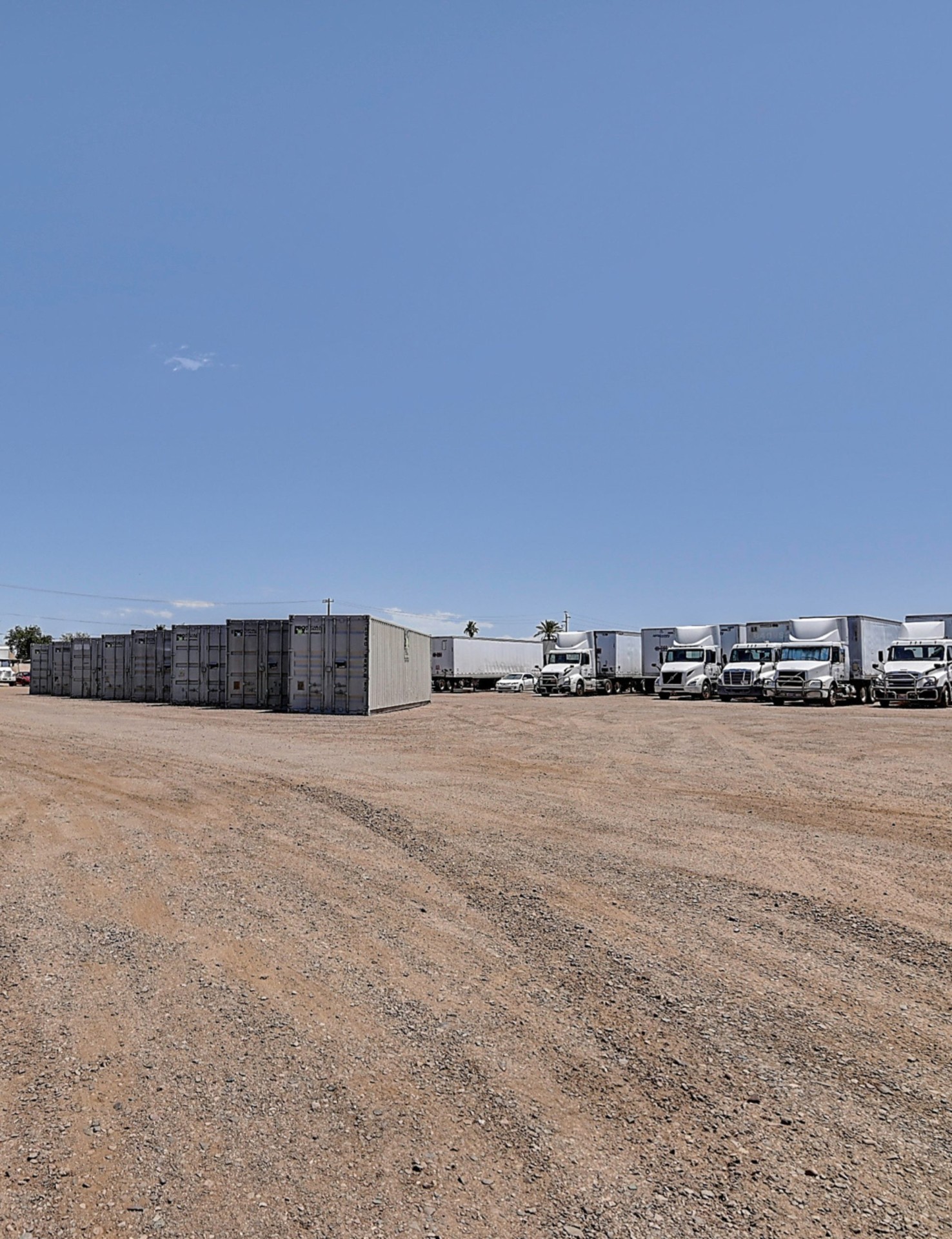
Secure container storage works for items too valuable to leave exposed:
- Lockable shipping containers or job boxes
- Elevated off ground when possible
- Climate consideration for temperature-sensitive items
- Regular inventory to catch losses early
- Organized interior for quick access
Insurance Implications
Storage conditions directly affect your insurance coverage and claims.
Policy Requirements
Most equipment insurance policies include storage provisions:
Common requirements:
- "Reasonable security measures" (often undefined)
- Scheduled locations for covered storage
- Notification requirements for changes
- Specific security minimums for high-value items
What can void coverage:
- Storage at unscheduled locations
- Failure to meet security requirements
- Lack of documentation about storage conditions
- Delayed reporting of theft or damage
Review your policy with your agent specifically about storage. Get the requirements in writing. If your storage facility meets the requirements, document it. If it doesn't, either upgrade your storage or accept that you're self-insuring.
Premium Impacts
Better storage can lower your premiums:
- Documented security measures may qualify for discounts
- Professional storage facilities may carry lower risk ratings
- Multiple security layers (fencing + cameras + lighting + access control) demonstrate risk management
- Claims history affects future rates—preventing theft prevents premium increases
Documentation Practices
Create a paper trail before you need it:
- Photograph equipment condition when entering storage
- Record serial numbers and identifying features
- Keep receipts for security equipment and storage fees
- Maintain an updated inventory list
- Document any incidents, even minor ones
When you file a claim, you'll need to prove what you had, what condition it was in, and what security measures were in place. That's difficult to reconstruct after the fact. Do it proactively.
Evaluating Storage Facilities
Whether you're looking at our facilities or someone else's, use these evaluation criteria:
Physical Inspection
Visit in person and look for:
- Fence condition and height
- Gate operation and closure
- Camera placement and apparent functionality
- Lighting coverage (visit at night if possible)
- Surface conditions and drainage
- Overall facility maintenance
Operational Questions
Ask the operator:
- What happens if my access code stops working at 3 AM?
- How quickly are security incidents investigated?
- When was the last theft, and what happened?
- How do you handle code sharing or unauthorized access?
- What's the process if I notice damage to my equipment?
Reference Checks
Talk to current customers:
- How long have they stored there?
- Have they had any issues?
- How responsive is management to problems?
- Would they recommend it?
Making the Right Choice
Storage is an operational decision that affects your business daily. The wrong choice costs time, money, and equipment. The right choice becomes invisible—your equipment is there when you need it, in the condition you left it.
Price matters, but it's not the only factor. A cheap facility with poor security costs more when something goes missing. A convenient location with bad access wastes hours over a year of operations.
Match the storage to your needs:
- High-value equipment needs high-security facilities
- Frequently accessed items need 24/7 access
- Large vehicles need adequate maneuvering space
- Long-term storage needs proper equipment preparation
Get it right once, and storage stops being something you think about. Get it wrong, and you'll think about it every day—usually while dealing with problems that could have been avoided.
Looking for secure outdoor storage in Phoenix? Check out our storage locations or contact us to discuss your specific needs.
Ready to Secure Your Storage?
Contact Paddock Parking today to learn about our secure outdoor storage solutions in Phoenix.