Outdoor Storage Safety Tips for Heavy Equipment and Trucks
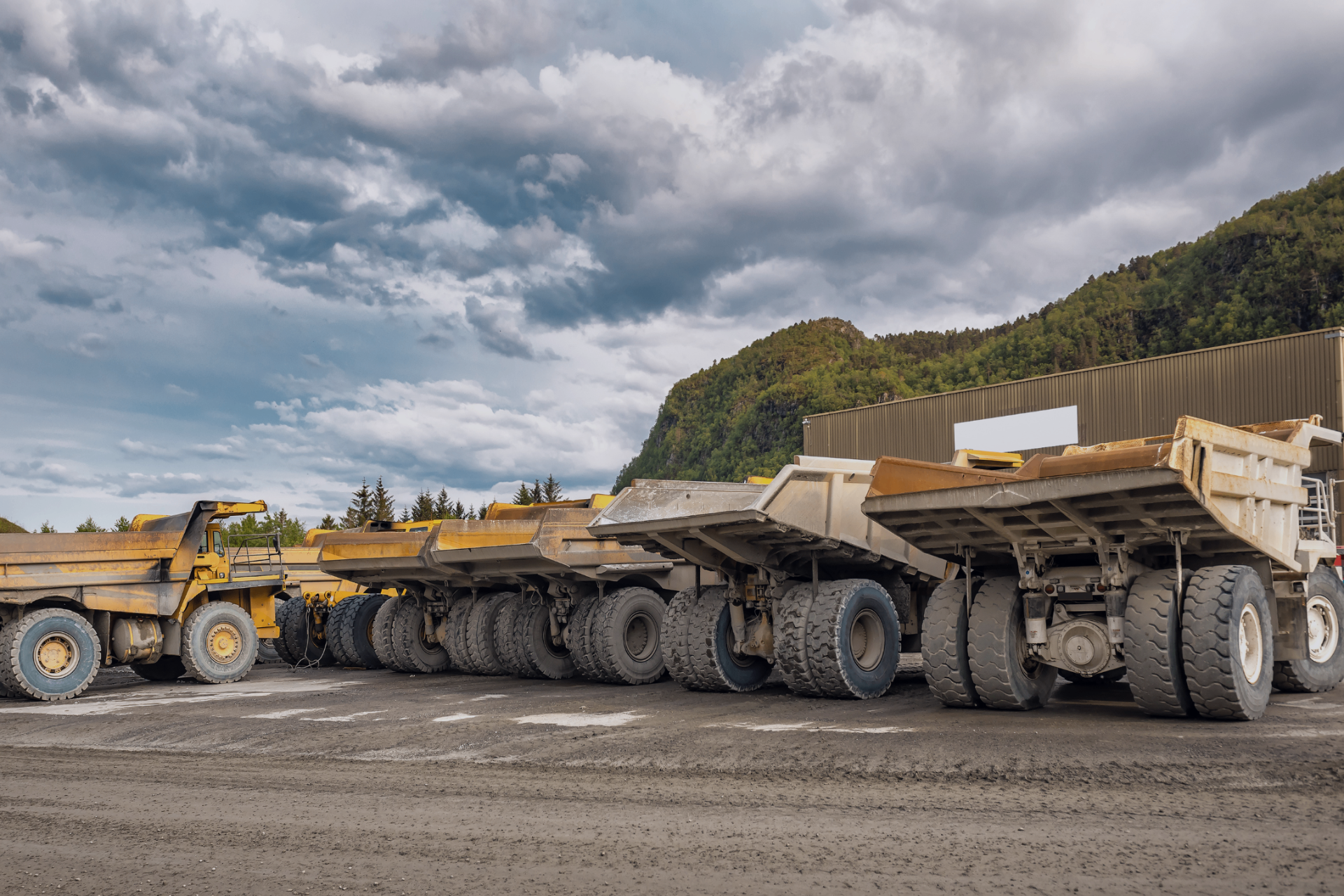
Leaving heavy equipment and trucks outside might seem simple—park it, lock it, and move on. But anyone who's dealt with rusted parts, drained batteries, or weather damage knows the reality: outdoor storage done wrong costs you money. Real money. We're talking hydraulic seals that dry out and crack. Batteries that drain dead. Tires that flat-spot and need replacing. Paint that fades and peels under the Arizona sun.
This isn't a scare tactic. It's what happens when contractors treat outdoor storage as an afterthought instead of a planned part of their operations. The good news? Most of this damage is preventable. You just need to know what you're dealing with and take the right steps.
Let's get into the specifics.
The Real Costs of Poor Outdoor Storage
Before we talk solutions, let's talk numbers. A single hydraulic cylinder seal replacement runs $500 to $2,000 depending on the equipment. A new battery for a semi-truck? $150 to $300. Tire replacement on heavy equipment can run $800 to $3,000 per tire. And that's just the parts—labor adds up fast.
Now multiply those costs across a fleet of equipment sitting in a dirt lot with no shade, no drainage, and no security. We've seen contractors lose $20,000 or more in a single year to preventable storage damage. That's money that could've gone toward new equipment, more jobs, or your own pocket.
The point isn't to make you paranoid. It's to make you aware. Every piece of equipment you own is an investment, and how you store it determines how long that investment pays off.
Choosing the Right Storage Location
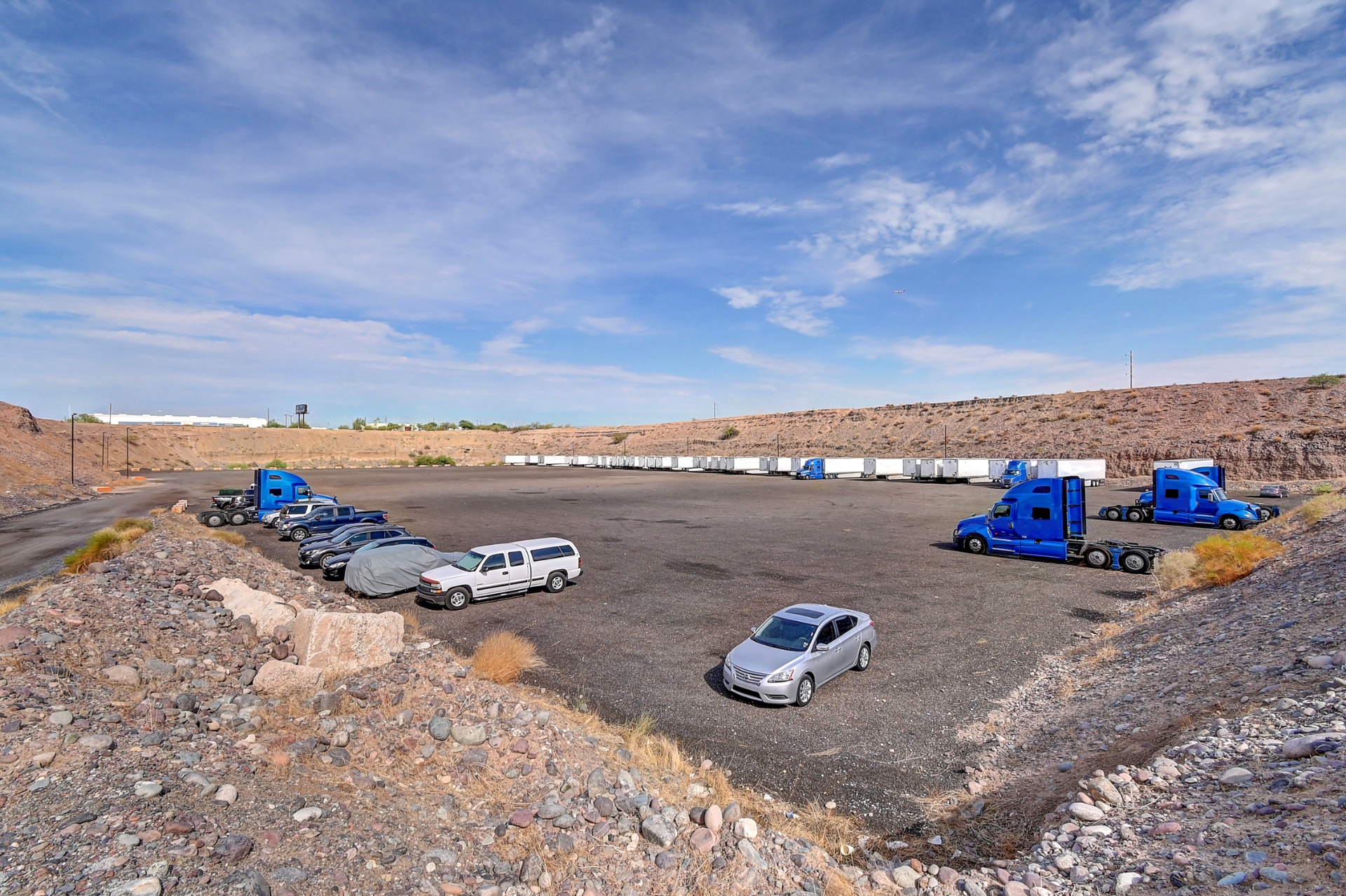
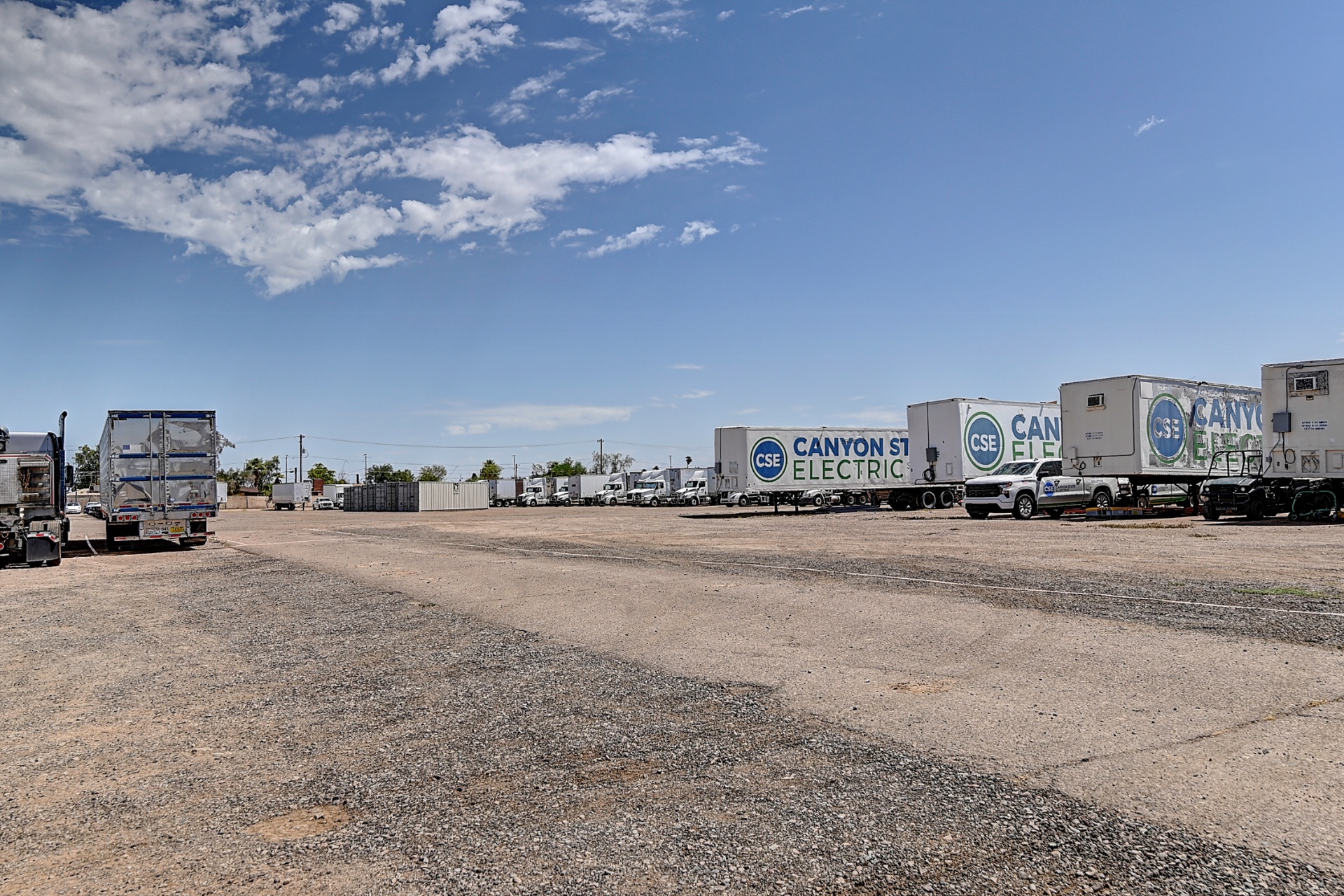
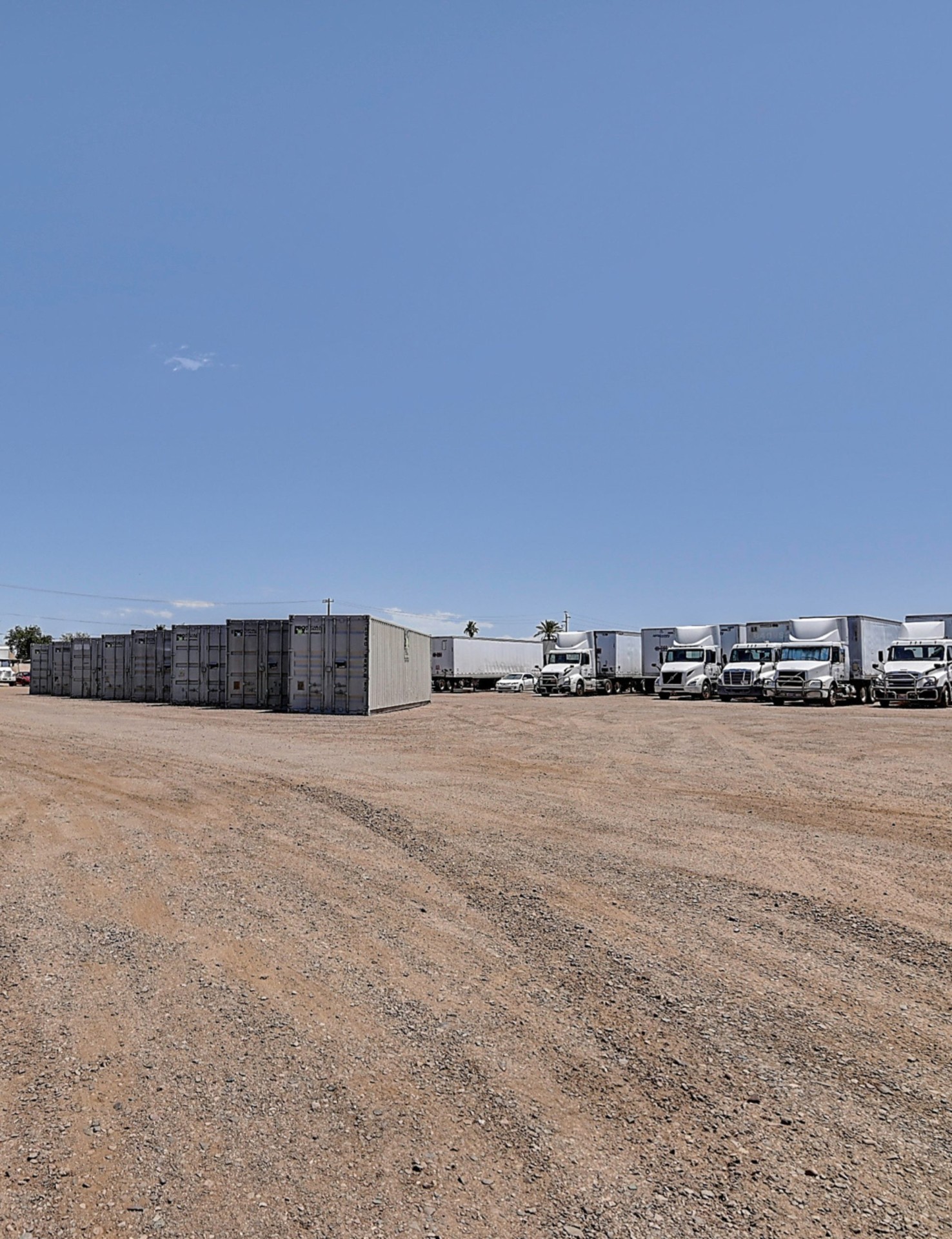
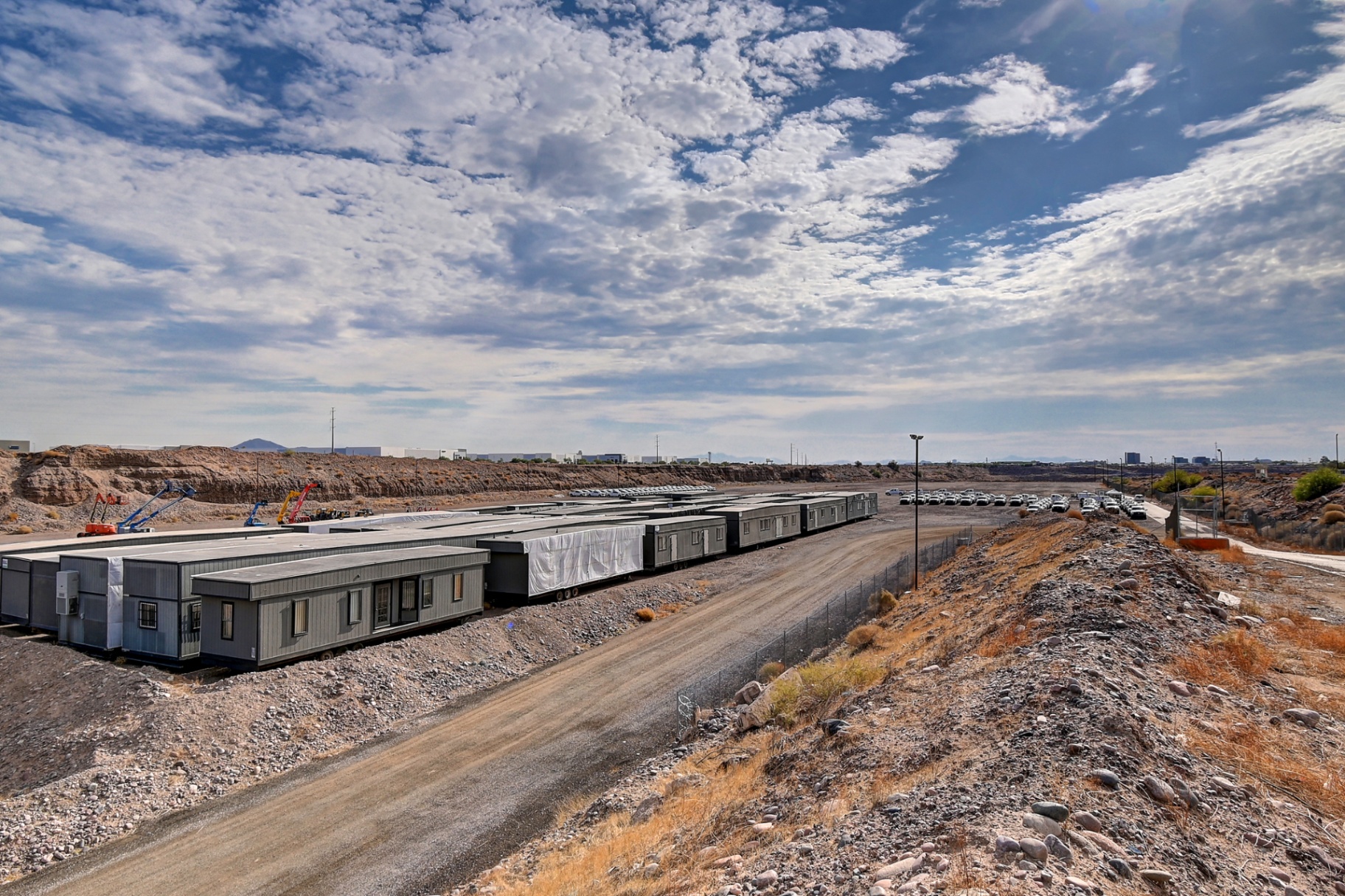
Not every storage yard is worth your money. Some are nothing more than fenced dirt lots with a padlock. Others are professionally managed facilities with real infrastructure. At Paddock Parking, we've seen both—and we built our Phoenix storage locations to be the latter. Here's what separates the two:
Ground Surface Matters
Equipment sinks in soft ground. Period. After a monsoon rain, a dirt lot turns into a mud pit. We've seen excavators sink up to their tracks and require tow-outs that cost thousands. Even in dry conditions, soft ground shifts under weight, causing uneven settling and stress on frames and undercarriages.
What you want: compacted gravel, crushed rock, or paved surfaces. These provide stable footing year-round and drain water away from your equipment instead of pooling around it.
Drainage Is Non-Negotiable
Standing water is the enemy. It accelerates rust on undercarriages, soaks into electrical connections, and creates breeding grounds for corrosion. A properly graded storage yard slopes water away from parking areas and has drainage channels or retention basins to handle heavy rain.
Ask the yard manager what happens during monsoon season. If they can't give you a straight answer, look elsewhere.
Security That Actually Works
Here's what real security looks like: perimeter fencing at least 6 feet high with barbed wire or razor wire on top. Controlled gate access—not just a combination lock, but individual codes or key cards that log who enters and when. Camera surveillance covering the entire lot, not just the entrance. Adequate lighting so cameras can actually capture useful footage at night.
What doesn't work: a chain-link fence with a Master Lock, one camera pointed at the gate, and no lighting. That's theater, not security.
Preparing Equipment for Storage
Getting your equipment ready for storage takes time, but it's time well spent. Here's the checklist we recommend to every contractor who stores with us:
Clean It Thoroughly
Dirt holds moisture. Moisture causes rust. Debris left in tracks or undercarriages accelerates wear. Before you park equipment for any extended period, pressure wash it. Get the mud out of the tracks, clean off any concrete, asphalt, or chemical residue, and let it dry completely.
This isn't about making it look pretty. It's about removing the stuff that eats metal when left to sit.
Top Off All Fluids
Low fluid levels leave air space in tanks and reservoirs. Air contains moisture. Moisture in hydraulic systems, fuel tanks, and cooling systems causes internal corrosion. Top everything off: hydraulic fluid, coolant, engine oil, transmission fluid, and fuel.
For diesel equipment sitting more than 30 days, add fuel stabilizer. Diesel degrades and forms gum deposits that clog injectors and fuel lines. A $10 bottle of stabilizer prevents a $1,000 fuel system cleaning.
Battery Management
This is where people get lazy, and it costs them. A connected battery will drain over time, even with the key off. Parasitic draw from computers, alarms, and other systems slowly depletes the charge. A fully discharged battery in cold or hot temperatures can be permanently damaged.
Two options: disconnect the battery cables (negative first, always) or use a battery maintainer. Solar maintainers work well for outdoor storage—no power outlet needed. Just strap a panel to the hood and connect it to the battery terminals.
Protect Exposed Components
Hydraulic cylinders extended beyond the body are exposed to the elements. UV rays degrade the chrome, causing pitting that ruins seals when the cylinder retracts. Exhaust stacks, air intakes, and cabin openings invite birds, rodents, and insects to set up shop.
Cover extended hydraulic rams with protective sleeves or retract them fully. Cap exhaust stacks and air intakes with breathable covers (not plastic bags—they trap moisture). Close all doors and windows completely.
Maintenance During Storage
Storage isn't "park it and forget it." Equipment that sits too long without attention develops problems that cost more to fix than they would've cost to prevent.
Regular Engine Starts
Seals dry out. Fluids settle and separate. Metal surfaces develop surface rust where protective oil films have drained away. Starting the engine every two to four weeks keeps everything lubricated and identifies problems before they get worse.
Run the engine until it reaches operating temperature—not just a quick start and shutdown. Let the hydraulics cycle through their full range of motion. Move the equipment forward and backward a few feet to prevent tire flat-spotting.
Tire Care
Tires develop flat spots when sitting in one position for extended periods. The weight of the equipment compresses the rubber at the contact patch, and over time this compression becomes permanent. Flat-spotted tires vibrate, wear unevenly, and may need replacement.
Moving the equipment periodically helps. If that's not possible, slightly overinflate the tires (10-15% above normal operating pressure) during storage to reduce sidewall flex at the contact patch. Just remember to return them to normal pressure before operation.
Inspect for Pest Damage
Rodents love to nest in equipment. They chew wiring, shred upholstery, and leave behind waste that corrodes electrical contacts. Birds build nests in exhaust stacks and air intakes. Insects take up residence anywhere they can find shelter.
Open doors and inspect the cabin during each visit. Check engine compartments, especially around wiring harnesses. Look for nests in air cleaners and mufflers. If you find evidence of pests, clean it out immediately and consider rodent deterrents.
Phoenix-Specific Storage Challenges
Phoenix isn't like other markets. The desert climate creates specific problems that contractors from other regions might not anticipate.
UV Exposure
The Arizona sun is brutal. Paint fades and oxidizes. Rubber hoses and seals dry out, crack, and fail. Plastic components become brittle. Seats and interior surfaces crack and split.
Cover equipment when possible. UV-resistant equipment covers cost $100-500 depending on size, and they pay for themselves by extending the life of components that would otherwise need replacement. At minimum, park with the most vulnerable components facing away from direct afternoon sun.
Dust Infiltration
Desert dust is fine enough to work its way into almost anything. Air filters clog faster. Electrical connections corrode. Pivot points and bearings wear faster as dust mixes with grease to form an abrasive paste.
Cover air intakes and exhausts. Check and replace air filters more frequently than manufacturer recommendations suggest for non-desert environments. During monsoon season, dust storms (haboobs) can deposit inches of fine dust in hours—check equipment after any major dust event.
Monsoon Season
July through September brings intense thunderstorms that drop massive amounts of rain in short periods. Flash flooding is real, and we've seen equipment submerged in storage yards that didn't have adequate drainage.
Know the flood history of any yard you're considering. Ask if they've ever had equipment damaged by water. Check the grading yourself—does water flow away from parking areas or toward them?
What to Look for in a Storage Provider
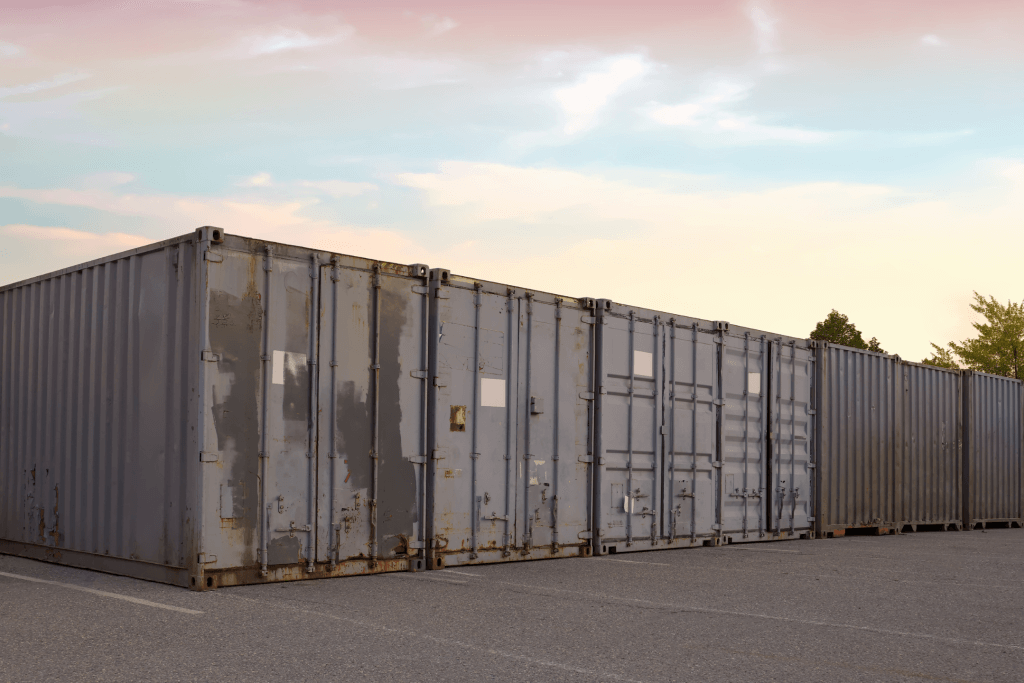
After managing storage for over 2,000 contractors at our Phoenix storage yards, we've learned what matters and what's just marketing.
Track Record
How long have they been operating? What do other contractors say about them? Ask for references and actually call them. Any storage yard worth using will have customers willing to vouch for them.
Access Hours
24/7 access sounds good until you realize some facilities make you jump through hoops to get in after hours. Understand exactly how access works. Can you get in at 4 AM if you need to? What about weekends and holidays?
Communication
What happens if there's a problem? Do they have your contact information? Will they actually call you if they notice something wrong with your equipment? The best facilities do regular lot checks and notify customers of any concerns.
Pricing Transparency
Get everything in writing. Monthly rate, any deposits required, what's included, what costs extra. Hidden fees are common in this industry. Gate access fees, after-hours fees, admin fees—ask about all of it upfront.
Making the Right Choice
Outdoor storage is a business decision. The cheapest option isn't always the best value if your equipment takes damage from poor conditions. The most expensive option isn't justified if you don't need the extra services.
Match the storage to your needs. A dozer sitting for three months between projects needs different care than a semi-truck you're accessing daily. Seasonal equipment can justify more preparation and a cheaper yard. Daily-use vehicles need quick access and minimal hassle.
Whatever you choose, take the time to prepare your equipment properly and check on it regularly. The hour you spend now prevents the day you'll spend later dealing with problems that could've been avoided.
That's the reality of outdoor storage. No secrets, no gimmicks—just practical steps that protect what you've worked hard to build. Ready to find secure storage for your equipment? Contact Paddock Parking to learn about our heavy equipment storage options in Phoenix.
Ready to Secure Your Storage?
Contact Paddock Parking today to learn about our secure outdoor storage solutions in Phoenix.