
5 Industries That Benefit Most from Industrial Storage Land
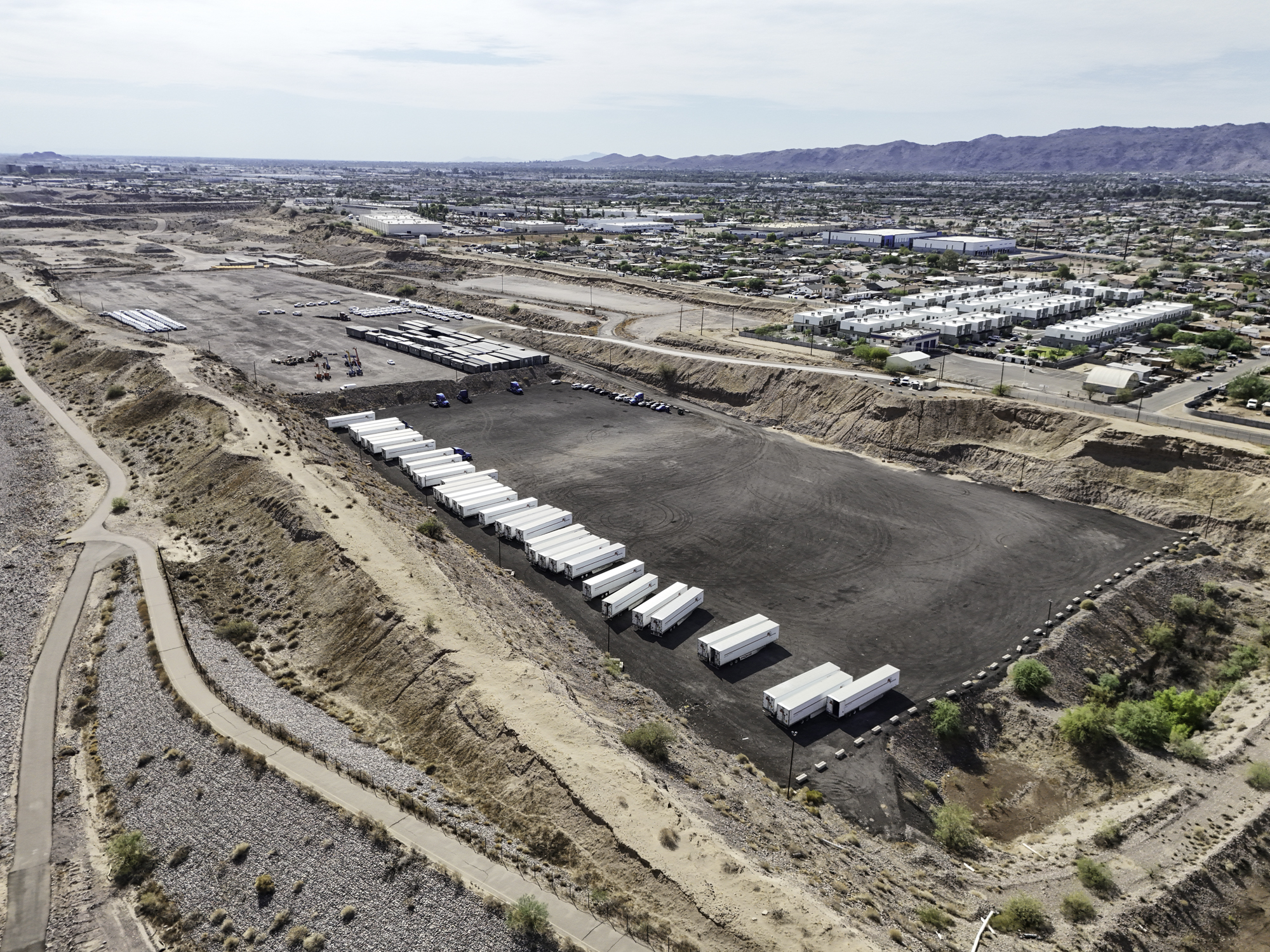
Drive along the I-10 corridor through Phoenix and you'll see them—lots filled with trucks, trailers, construction equipment, shipping containers. Industrial storage land in action. It's not glamorous, but it's essential infrastructure for a surprising range of businesses.
Industrial storage fills a gap that traditional self-storage and warehouse space can't address. When you need to park a fleet of trucks, stage materials for multiple job sites, or store equipment between projects, you need land—not buildings, not climate control, just secure space that can handle the scale and weight of commercial operations.
Who actually needs this kind of storage? Five industries stand out as the primary users, each with distinct requirements and operational patterns.
1. Construction and Contracting
Construction companies are the bread and butter of industrial storage. Every contractor faces the same fundamental problem: equipment and materials need to be somewhere when they're not on a job site.
The Storage Challenge
A typical mid-size contractor might own:
- 2-5 excavators of various sizes
- 3-4 loaders or skid steers
- Multiple dump trucks and trailers
- Specialty equipment (trenchers, compactors, lifts)
- Work trucks for crews
- Inventory of materials and supplies
That's easily 20,000 square feet of storage need—nearly half an acre. And this is a mid-size operation. Larger contractors need multiples of this.
Job sites can't hold everything. Residential projects especially have limited staging room. Even commercial sites often lack secure overnight storage for equipment not actively in use.
What Contractors Need
Space requirements:
- Large enough for current equipment plus growth room
- Surfaces that handle heavy loads without rutting
- Wide access lanes for low-boys and large equipment
- Room for multiple simultaneous pickups/dropoffs
Operational requirements:
- 24/7 access (jobs start early and run late)
- Flexibility to scale up for busy periods
- Central location to serve projects across the metro
- Month-to-month terms to match project cycles
Security requirements:
- Equipment values range from $50,000 to $500,000+ per machine
- GPS tracking compatibility
- Insurance-compliant security measures
- Protection against theft, vandalism, and unauthorized use
How Contractors Use Storage
The pattern varies by season and project load:
Active project support: Equipment rotates between storage and job sites. Storage serves as the logistics hub—equipment stages here before deployment, returns here between jobs, gets maintained here.
Overnight fleet parking: Crews bring trucks and equipment back to storage rather than leaving on job sites. Reduces theft risk and wear from weather exposure.
Material staging: Materials delivered in bulk get sorted and staged before distribution to job sites. Saves delivery fees and allows better inventory management.
Seasonal storage: During slow periods, equipment that's not needed sits securely until the next busy season. Better than paying for job site storage or risking equipment sitting in the open.
2. Trucking and Logistics
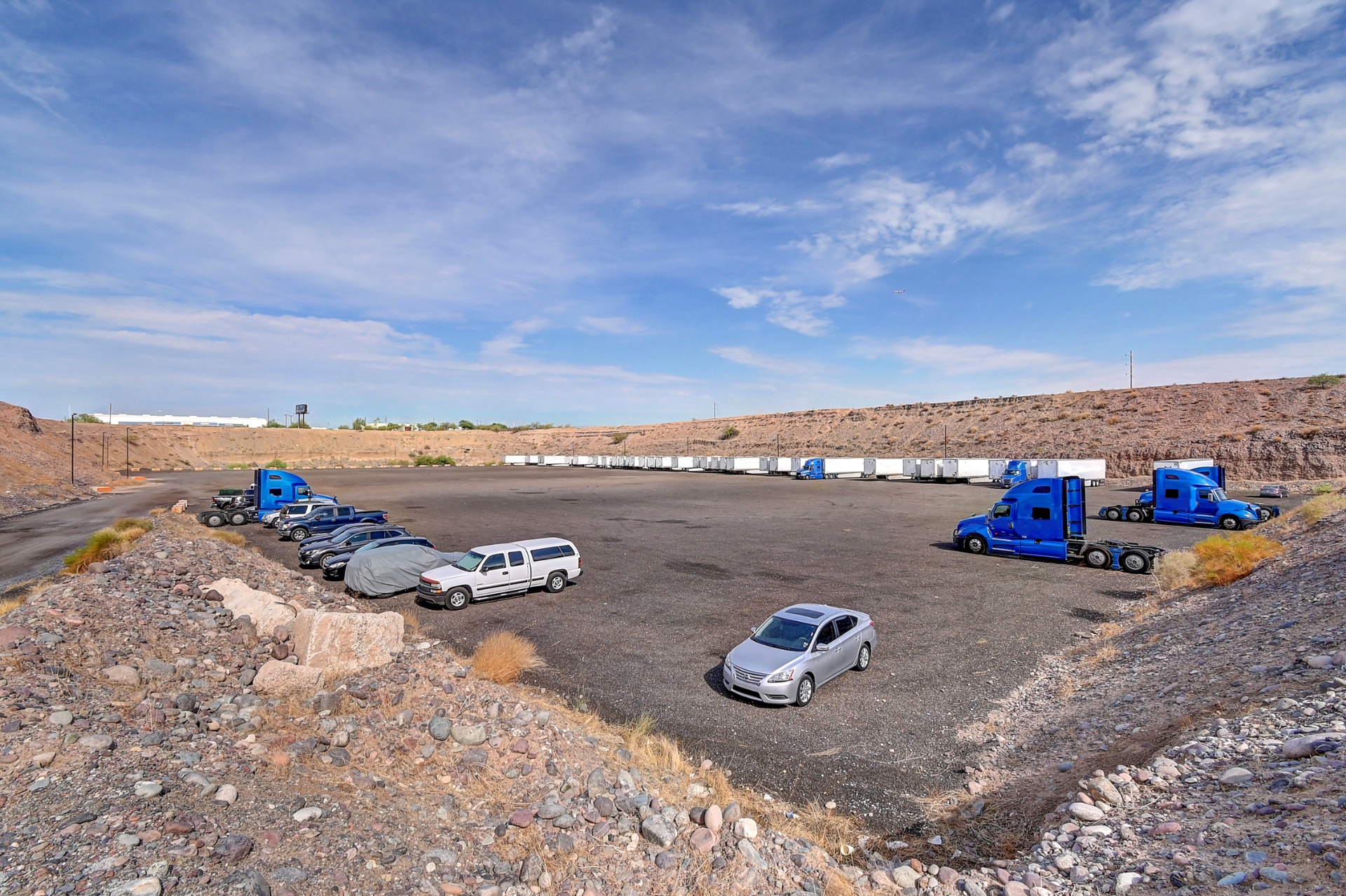
The trucking industry runs on land—places to park trucks, drop trailers, stage loads, and organize operations. Not every carrier needs (or can afford) their own terminal.
The Terminal Alternative
A full trucking terminal includes:
- Parking for trucks and trailers
- Driver facilities (break rooms, showers, laundry)
- Maintenance bays
- Dispatch and administrative offices
- Fuel and DEF stations
Building or leasing a terminal costs millions. For small and mid-size carriers, industrial storage provides the parking component without the overhead.
Trucking Storage Needs
Space requirements:
- 60-80 feet per truck-trailer combo
- Additional space for bobtailing (trucks without trailers)
- Room for pre-trip inspections and minor maintenance
- Trailer drop areas for interchange operations
Operational patterns:
- Overnight parking for drivers domiciled locally
- Trailer drop yards where loads wait for pickup
- Equipment staging between loads
- Deadhead parking for empty trailers
Specific considerations:
- Surface conditions matter—trucks are heavy, and soft surfaces create problems
- Access hours must accommodate 24/7 operations
- Security is critical for loaded trailers
- Proximity to major routes saves driver hours
The Economics
Compare the options:
Company terminal: $500,000+ annual cost for a basic facility. Only makes sense for larger carriers with dense operations in one area.
Industrial storage: $1,000-$3,000 per month for adequate space. Scales up and down with fleet size. No capital investment. No property management headaches.
For carriers with 5-50 trucks, industrial storage is often the only economical option for organized fleet parking.
3. Landscaping and Outdoor Services
Landscaping companies face a unique storage challenge: seasonal demand combined with expensive equipment and bulk materials.
The Landscape Business Model
A commercial landscaping operation typically owns:
- Multiple mowers (from push mowers to large ride-ons)
- Trucks for crew transport
- Enclosed and open trailers
- Specialty equipment (aerators, trenchers, stump grinders)
- Hand tools and supplies
- Bulk materials (mulch, stone, soil, plants in season)
This equipment works hard during growing season and sits for months during winter. Storage needs fluctuate dramatically.
Seasonal Storage Patterns
Peak season (March-November in Phoenix):
- Daily equipment deployment to job sites
- Material staging for ongoing projects
- Crew organization and dispatch
- Nighttime security for valuable equipment
Off-season (December-February):
- Long-term equipment storage
- Maintenance and repair operations
- Reduced staffing and lower storage activity
- Equipment sales and purchases
Specific Landscaping Needs
Material handling:
- Space for bulk materials (mulch by the yard, pallets of pavers)
- Delivery access for bulk loads
- Separation between material storage and equipment parking
- Loading capability for customer deliveries
Equipment protection:
- Cover options for equipment sensitive to weather
- Secure storage for expensive specialty equipment
- Organized layout that keeps crews efficient
- Space for minor repairs and maintenance
Operational flexibility:
- Scale up quickly when crews expand
- Scale down for off-season without penalty
- Access for early morning crew dispatches
- Return access for equipment coming back from jobs
The Hidden Value
Good storage directly affects landscaping profitability:
- Organized staging reduces morning scramble time
- Secure storage prevents theft (a major industry problem)
- Proper equipment storage extends equipment life
- Bulk material storage enables better purchasing
4. Oil, Gas, and Energy
The energy sector has unique storage requirements driven by project-based work and regulatory demands.
Energy Industry Operations
Whether it's oil field services, solar installation, electrical utilities, or pipeline work, energy companies share common storage needs:
- Service vehicles and specialty equipment
- Project materials (pipe, cable, structural components)
- Safety equipment and emergency supplies
- Mobile offices and support facilities
Projects can be anywhere. Equipment needs to stage regionally before deployment to remote locations. Between projects, equipment needs secure, accessible storage.
Specialized Requirements
Equipment types:
- Well service equipment (workover rigs, pump jacks, tanks)
- Utility vehicles (bucket trucks, trenchers, cable reels)
- Solar installation equipment (lifts, mounting hardware, panels)
- Pipeline materials and machinery
Regulatory considerations:
- Environmental compliance for fuel and chemical storage
- Safety requirements for certain equipment types
- Documentation and tracking for regulatory purposes
- Separation requirements for hazardous materials
Operational patterns:
- Extended staging periods between projects
- Rapid mobilization when projects start
- Equipment sharing between project sites
- Long-term storage during market downturns
Phoenix Energy Market
The Phoenix area serves as a logistics hub for energy operations across the Southwest. Solar installation is booming. Utility expansion keeps pace with population growth. Oil and gas activity, while not centered here, uses Phoenix for regional staging.
Energy companies need storage that can handle:
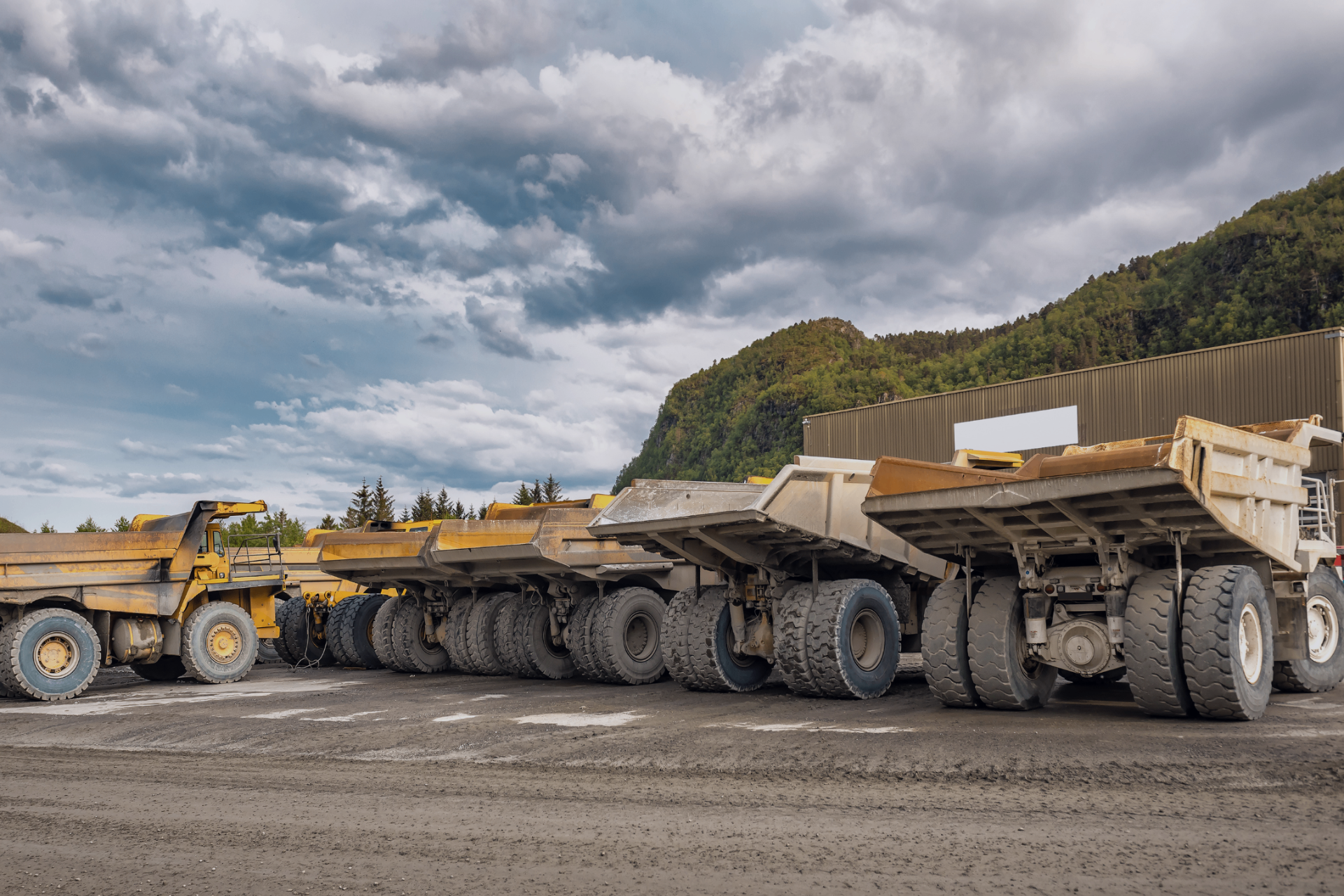
- Heavy equipment (often heavier than construction equipment)
- Specialty vehicles with unique dimensions
- Extended storage periods with regular access for maintenance
- Rapid scale-up when projects ramp
5. Agriculture and Farming
Arizona agriculture might seem inconsistent with desert climate, but significant farming operations exist—particularly in the areas surrounding Phoenix.
Agricultural Equipment
Modern farming equipment is enormous:
- Tractors (from compact to 500+ horsepower)
- Harvesters and combines
- Planting and cultivation equipment
- Irrigation systems and components
- Livestock trailers and handling equipment
This equipment sits idle for much of the year. Planting happens during specific windows. Harvest is seasonal. Between those periods, equipment needs storage.
Seasonal Intensity
Agricultural storage follows crop cycles:
Pre-season preparation: Equipment comes out of storage, gets inspected and repaired, stages for deployment.
Active season: Equipment rotates between storage and fields. Breakdown repairs happen at storage facilities. Supplies stage for field operations.
Post-season: Equipment returns, gets cleaned and maintained, goes into storage for months.
Off-season: Long-term storage with periodic maintenance and inspection.
Agricultural Storage Needs
Space requirements:
- Large enough for oversized equipment (combines can be 40+ feet wide)
- Height clearance for equipment with tall profiles
- Access for trailers bringing equipment to and from fields
- Staging area for attachment changes and maintenance
Location considerations:
- Proximity to active farming areas
- Highway access for equipment transport
- Availability of utilities for maintenance operations
- Sufficient distance from residential areas (noise, dust, traffic)
Seasonal flexibility:
- Ability to increase space during busy periods
- Cost reduction during off-season
- No penalties for seasonal usage patterns
- Month-to-month options that match farming cycles
Common Themes Across Industries
Despite different operations, these five industries share storage requirements:
Flexibility: Business needs change. Storage should scale without long-term commitments or penalties.
Access: Operations run on schedules that don't match business hours. 24/7 access is essential.
Security: Equipment and materials have significant value. Storage facilities need real security, not just fences.
Location: Time spent traveling to storage is time not spent on work. Central, accessible locations matter.
Surfaces: Heavy equipment needs surfaces designed for heavy equipment. Dirt lots don't cut it for commercial use.
Industrial storage isn't glamorous, but it's essential infrastructure. The businesses that get it right operate more efficiently than those that don't. And in competitive industries, efficiency is the difference between thriving and just surviving.
Whether you're in construction, trucking, landscaping, energy, or agriculture, Paddock Parking offers industrial storage solutions designed for commercial operations. Explore our locations or contact us to discuss your industry-specific needs.
Ready to Secure Your Storage?
Contact Paddock Parking today to learn about our secure outdoor storage solutions in Phoenix.