Industrial Storage: How to Choose the Right Facility for Your Needs
You need more space. The shop is full, the lot is packed, and there's equipment sitting at job sites because you have nowhere else to put it. The problem is obvious. The solution is less clear.
Industrial storage facilities range from bare-dirt lots to climate-controlled warehouses. Prices vary by a factor of ten or more. Security ranges from "none to speak of" to "military-grade." Figuring out what you actually need—and what's worth paying for—requires understanding both your operations and your options.
This guide walks through the decision process, from assessing your needs to evaluating facilities to negotiating terms. The goal isn't to sell you on any particular solution; it's to help you make a decision you won't regret.
Types of Industrial Storage
Different operations need different solutions. Understanding the options helps you match storage to your actual requirements.
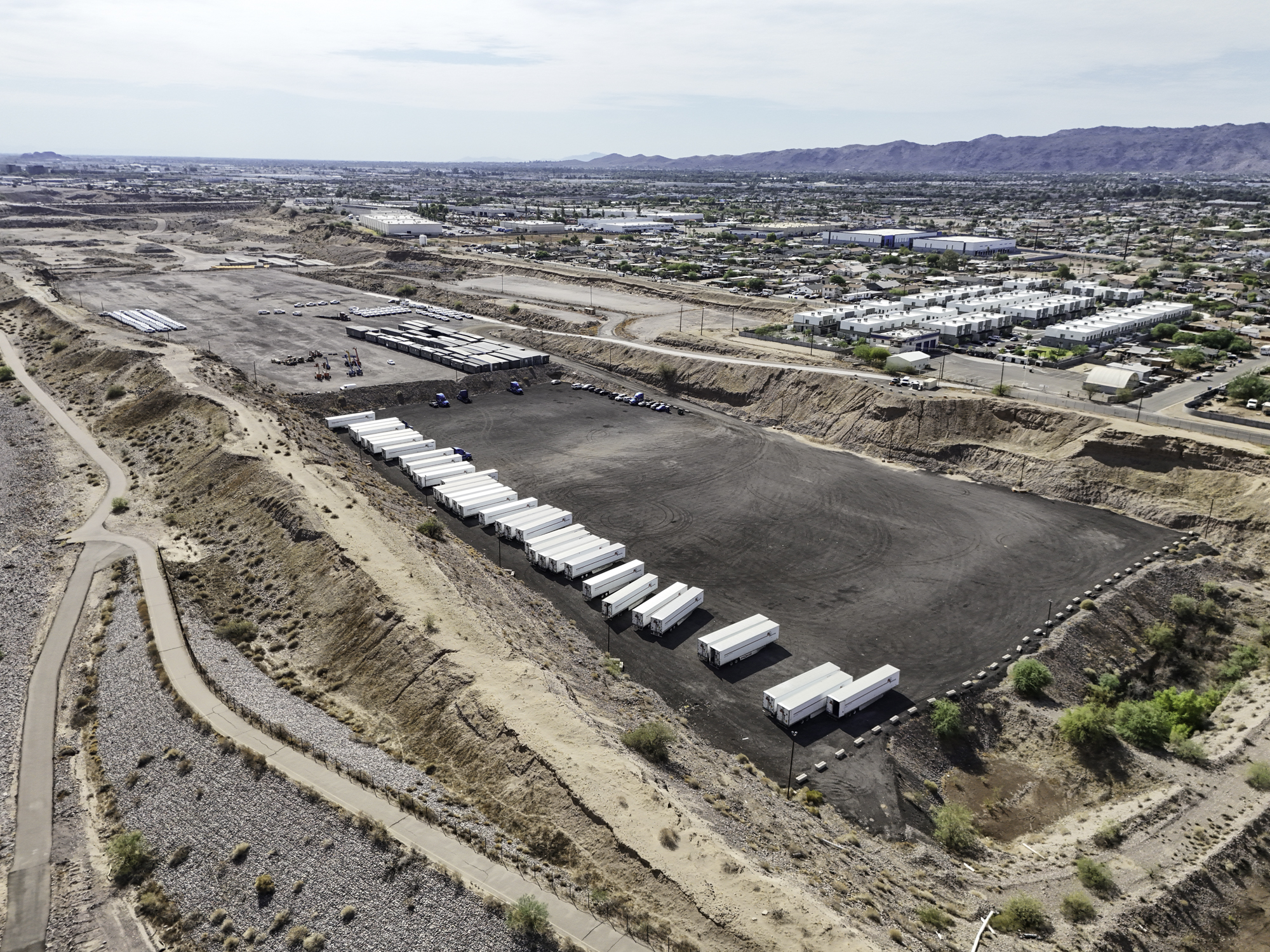
Outdoor Storage Yards
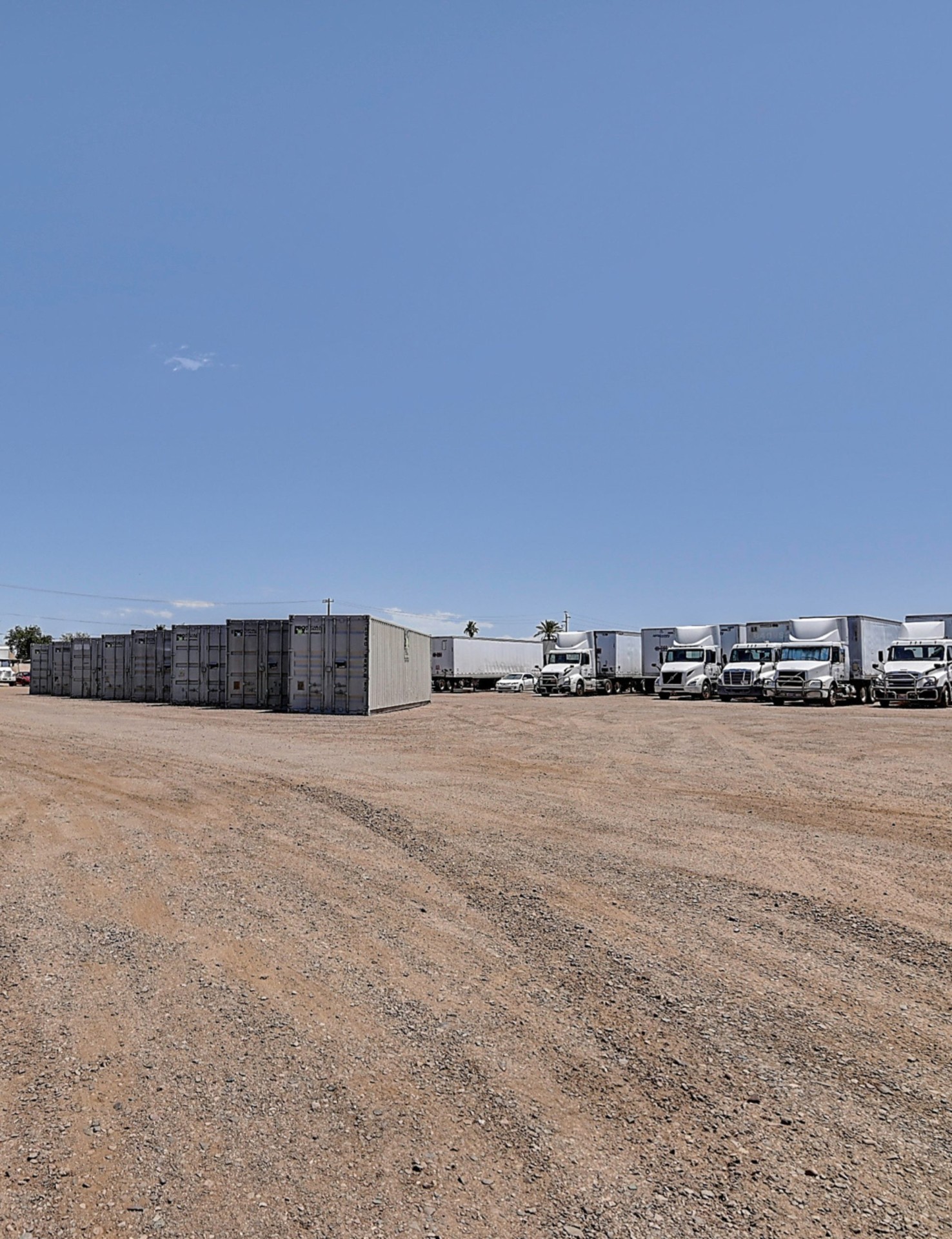
Open-air lots designed for vehicles, equipment, and containers. Most industrial storage falls into this category.
Best suited for:
- Construction equipment and vehicles
- Commercial fleets (trucks, trailers, vans)
- Shipping containers and cargo
- Materials that tolerate weather exposure
- Equipment you access frequently
Key considerations:
- Weather exposure is real—sun, rain, dust, and temperature all affect stored items
- Security varies widely between facilities
- Surface conditions matter for heavy equipment
- Cost is typically lowest of all options
For most contractors and fleet operators, outdoor storage is the right choice. Equipment is built to work outside. With proper preparation and a quality facility, outdoor storage works.
Covered Storage
Partial protection from weather—typically a roof structure without walls, or an open-sided building.
Best suited for:
- Equipment sensitive to direct sun or rain
- Vehicles you want to keep in better condition
- Materials that need protection but not climate control
- Higher-value items worth the premium
Key considerations:
- Costs 20-40% more than open storage
- Still exposed to temperature extremes and dust
- Limited availability in many markets
- May or may not include improved security
Covered storage makes sense when weather protection matters but full warehouse costs don't pencil out. It's a middle ground that works for some applications.
Warehouse Space
Enclosed buildings with walls, roofs, and typically climate control.
Best suited for:
- Temperature-sensitive materials
- High-value inventory requiring maximum security
- Products that must stay clean and dry
- Operations requiring indoor work space
Key considerations:
- Highest cost per square foot
- Often requires minimum lease terms
- May include utilities, which add cost but also capability
- Best security and environmental control
Warehouse space rarely makes sense for equipment storage. The cost is too high relative to the value. But for certain materials, inventory, or combined storage/workspace needs, it's worth considering.
Assessing What You Actually Need
The expensive mistake is paying for storage that exceeds your requirements. The costly mistake is under-buying and suffering consequences. Getting it right requires honest assessment.
Volume Calculation
How much space do you need?
For vehicles:
- Compact vehicles: 150-200 sq ft each (including access)
- Pickup trucks: 200-250 sq ft each
- Work trucks: 250-400 sq ft each
- Semi-trucks: 600-800 sq ft each (without trailer)
- Semi with trailer: 1,000-1,500 sq ft
For equipment:
- Small equipment (skid steers, small excavators): 200-300 sq ft each
- Medium equipment (backhoes, mid-size excavators): 300-500 sq ft each
- Large equipment (dozers, large excavators): 500-800 sq ft each
Add 20-30% for maneuvering room, aisles, and buffer space. A yard that's exactly sized for your current fleet will feel cramped immediately and be too small within months.
Access Frequency
How often do you need to reach stored items?
Daily access: You need convenient location, quick entry/exit, and adequate capacity for simultaneous access if multiple people need equipment.
Weekly access: Location matters less. Access hours become more flexible. Shared parking with assigned spaces often works.
Monthly or less: Long-term storage rates often apply. Remote locations may be acceptable. Preparation for extended storage becomes important.
Match storage type to access needs. Daily-access items shouldn't be an hour away. Equipment you touch twice a year can be wherever the rate is best.
Security Requirements
What's the replacement cost of what you're storing? What does your insurance require?
Value thresholds:
- Under $10,000 total: Basic security is probably sufficient
- $10,000-$100,000: Enhanced security is worthwhile
- $100,000+: Premium security becomes essential
Insurance considerations:
- Many policies specify minimum security requirements
- Failing to meet requirements can void coverage
- Some policies require scheduled storage locations
- Professional storage may lower premiums
The math is simple: security that prevents one theft often costs less than the deductible on one claim, let alone the premium increase afterward.
Location Analysis
Location affects operations more than most people realize. A few miles of distance translates into years of extra driving time.
Proximity Calculation
Map your typical operations:
- Where do your employees start their days?
- Where are your active job sites?
- What routes do you travel most frequently?
- Where do you need equipment staged?
The ideal storage location minimizes total travel time, not just distance from any single point. For operations spread across a metro area, a central location with highway access often beats a closer facility with poor access.
Access Route Analysis
Beyond distance, consider:
- Weight restrictions on connecting roads
- Turn restrictions affecting large vehicles
- Traffic patterns during your typical access times
- Road conditions (some routes are rougher than others)
A facility that's 15 minutes away via highway may be better than one that's 10 minutes away via congested surface streets.
Future-Proofing
Where are your operations headed?
- Are job sites moving to different areas?
- Is your fleet growing or shrinking?
- Are you adding new capabilities that change storage needs?
- Could you consolidate with other operations?
Choosing a location that only works for today's operations creates problems when things change. Look for facilities that can accommodate reasonable growth and operational shifts.
Cost Analysis
Storage costs include more than the monthly rate. Understanding the full picture prevents surprises.
Rate Structures
Facilities price space in different ways:
Per-space pricing: Fixed rate for a defined parking spot. Simple to understand and budget. Works well for vehicles with standard sizes.
Per-square-foot pricing: Rate based on total area. Better for variable equipment sizes. Allows more accurate comparison between facilities.
Flat rate for lot access: One price for access to the facility, with spots allocated as available. Lowest cost but least control.
Get quotes in comparable terms. A facility quoting $200/month per space for 300 sq ft costs $0.67/sq ft. A facility quoting $0.55/sq ft sounds cheaper but may require larger minimum areas.
Hidden Costs
Ask specifically about:
- Deposit requirements (typically 1-3 months)
- Access device fees (key fobs, gate remotes)
- After-hours access charges
- Insurance requirements (some facilities require specific coverage)
- Utility costs if power is available
- Rate increase provisions
Get the full cost in writing before comparing options.
Lease Terms
Understand what you're committing to:
Month-to-month: Maximum flexibility. Typically 5-15% premium over annual rates. Can add or reduce space quickly. Exit with 30 days notice.
Annual contracts: Lower rates. Locked pricing for the term. May include rate increase caps. Early termination usually has penalties.
Multi-year deals: Best rates for established operations. Significant commitment. Usually includes expansion rights.
For growing operations or new storage relationships, starting month-to-month makes sense even at the premium. Once you're confident the facility works, negotiate annual terms.
Facility Evaluation
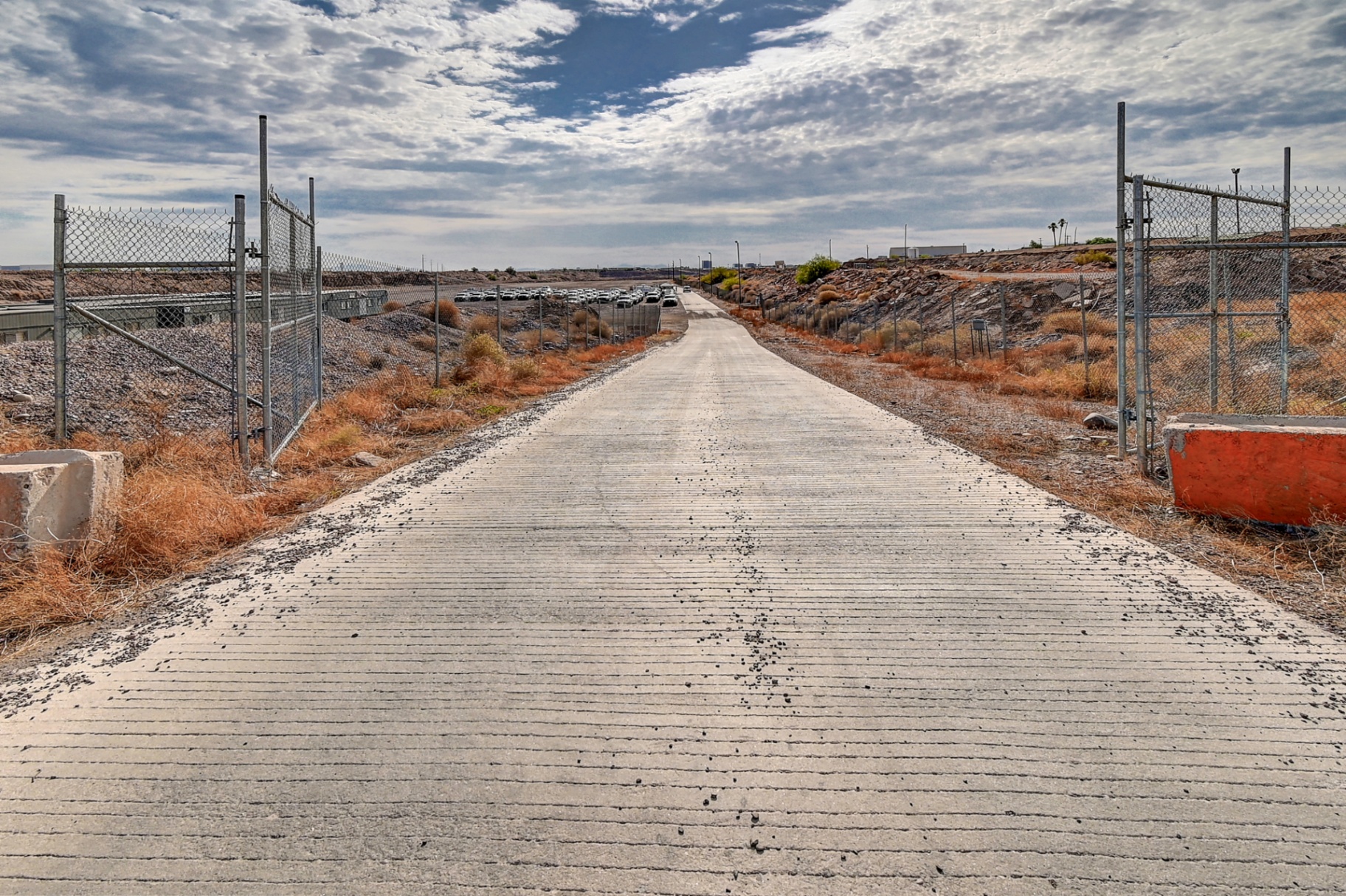
Before committing, evaluate facilities in person. Marketing materials and sales presentations don't show the full picture.
Physical Inspection Checklist
Walk the property and observe:
Security infrastructure:
- Fence height and condition
- Gate type and closure speed
- Camera coverage and visibility
- Lighting throughout the lot
Surface conditions:
- Paving quality or gravel condition
- Drainage during rain
- Pothole and rut maintenance
- Adequate capacity for weight
General maintenance:
- Vegetation control along fences
- Debris and trash management
- Building maintenance if applicable
- Professional appearance overall
Occupancy indicators:
- How full is the facility?
- What types of businesses use it?
- Do stored items look maintained?
- Are there abandoned vehicles or equipment?
A well-run facility looks like it's well-run. A neglected facility looks neglected. Trust what you see.
Operational Testing
If possible, test the operation before signing:
- Visit at your typical access times
- Try the access system
- Drive your largest vehicle through
- Talk to other tenants
Red flags during evaluation become bigger problems after you've signed and moved in.
Questions for Management
Get answers to:
- What's the facility's theft history?
- How quickly are maintenance issues addressed?
- What happens if access systems fail?
- Who's the contact for problems?
- How are disputes handled?
Reputable operators answer these questions directly. Evasion or defensiveness suggests problems you'll discover later.
Making the Decision
After evaluating options, the decision often comes down to trade-offs:
Cost vs. convenience: Cheaper facilities may be farther away or have less convenient access.
Cost vs. security: Premium security costs more but reduces risk.
Flexibility vs. rate: Month-to-month costs more than annual commitments.
Space vs. budget: More space provides growth room but increases cost.
There's no universal right answer. The right facility for your operation depends on your specific circumstances, priorities, and risk tolerance.
What matters is making an informed decision based on accurate information rather than marketing claims. Visit facilities. Ask questions. Get terms in writing. And choose storage that supports your operations rather than complicating them.
Ready to explore your options? Paddock Parking offers outdoor storage yards and land lease options in Phoenix. Contact us to schedule a tour of our facilities.
Ready to Secure Your Storage?
Contact Paddock Parking today to learn about our secure outdoor storage solutions in Phoenix.