
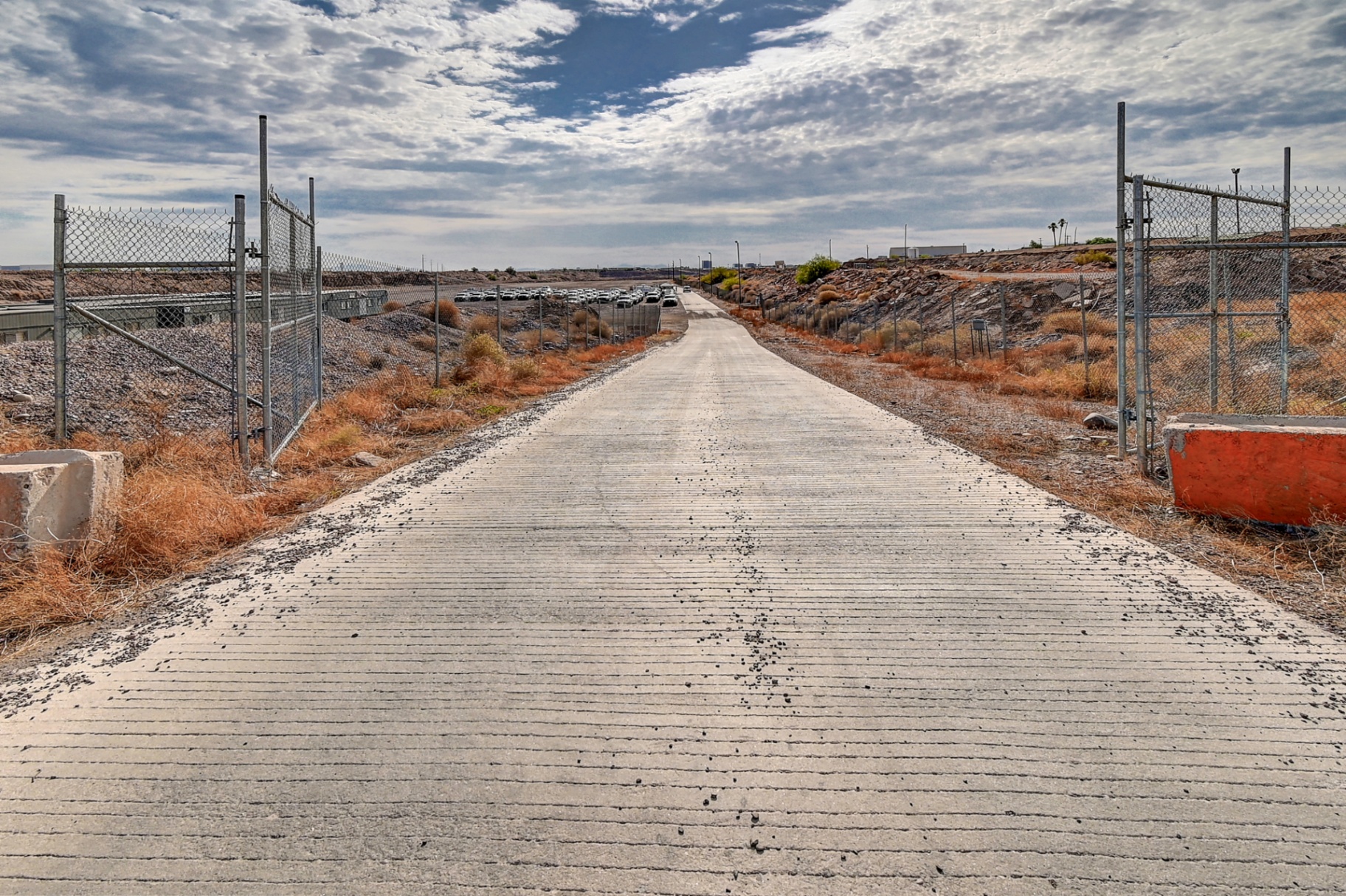
Heavy Equipment Storage in Phoenix, Arizona: Tips for Contractors
The Phoenix construction market is relentless. Residential developments sprawl in every direction. Commercial projects rise throughout the Valley. Infrastructure work runs year-round. If you're running equipment here, you're busy—and you need somewhere to put that equipment when it's not on a job site.
Finding reliable heavy equipment storage in Phoenix isn't as simple as it sounds. The desert climate presents unique challenges. Theft is a real problem. And not every storage yard is built to handle equipment that weighs tens of thousands of pounds.
This guide covers what Phoenix contractors need to know about heavy equipment storage—the challenges, the solutions, and the practical steps to protect your investment.
Why Equipment Storage Matters in Phoenix
The Phoenix metro area has unique characteristics that make equipment storage more complicated than in other markets.
Geographic Spread
The Valley stretches roughly 50 miles in any direction from central Phoenix. Job sites might be in Buckeye one week and Gilbert the next. Mesa today, Surprise tomorrow. This spread creates logistical challenges that contractors in compact markets don't face.
Equipment needs to be positioned where you can reach it efficiently. A storage yard on the far west side doesn't help much when your jobs keep taking you east. Most contractors need storage that's central enough to serve projects in multiple directions.
Climate Extremes
Phoenix weather isn't just hot—it's aggressively hot. Summer temperatures regularly exceed 115°F. Even in shade, surfaces can reach temperatures that damage rubber, plastic, and electronics. Equipment sitting in direct sun essentially bakes for months.
Add monsoon season from June through September, and you get flash flooding, dust storms, and lightning strikes. A storage yard needs to handle all of these conditions, or your equipment pays the price.
Year-Round Operations
Unlike construction markets that shut down for winter, Phoenix runs continuously. That's good for business but means equipment is constantly cycling between sites and storage. You need 24/7 access, not a facility that closes at 6 PM.
It also means more wear on access roads, gates, and infrastructure. A storage yard that works fine for occasional access may develop problems when you're in and out daily during busy periods.
Physical Requirements for Heavy Equipment Storage
Not every storage yard can handle heavy equipment. The differences matter.
Surface Capacity
A loaded dump truck can weigh 80,000 pounds. An excavator might weigh 20,000 to 100,000 pounds depending on size. Crawler cranes can exceed 200,000 pounds.
Dirt lots can't handle this kind of weight—at least not reliably. The ground compresses, ruts form, equipment sinks. After a monsoon rain, problems get worse. A machine that was parked level ends up tilted, putting stress on hydraulics and risking tip-overs.
What you need:
- Compacted base material designed for heavy loads
- Proper drainage to prevent water accumulation
- Regular maintenance to address ruts and erosion
- Paved surfaces for the heaviest equipment
Ask about weight capacity before storing anything heavy. If the operator can't answer the question, they probably haven't thought about it—and you'll find out the hard way.
Space for Maneuvering
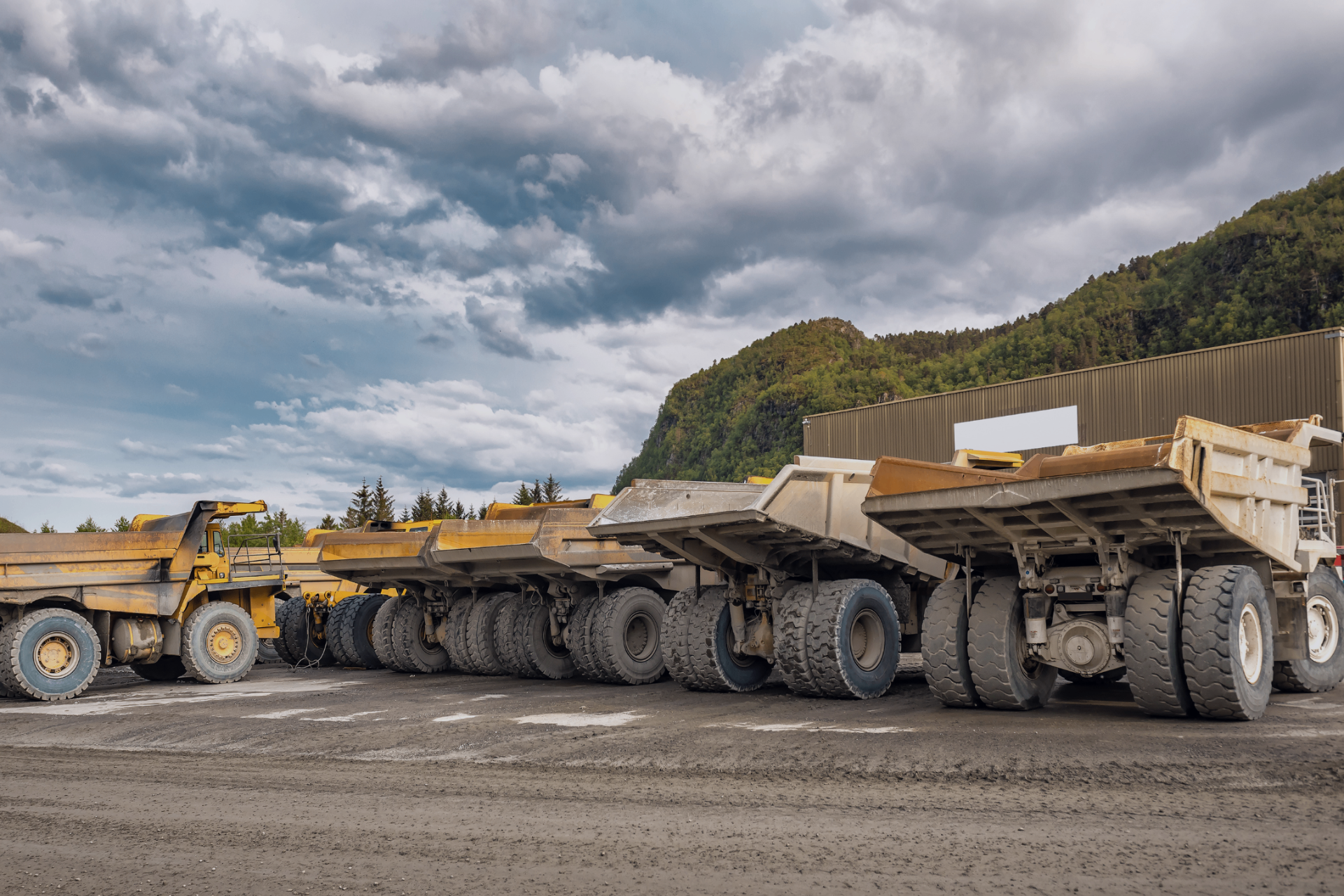
Heavy equipment doesn't turn on a dime. Low-boys need room to back up. Excavators need space to swing. Cranes need areas large enough for setup and operation.
A crowded storage yard might have room to park your equipment, but if you can't get it out without a 20-point turn, you're wasting time and risking damage. Look for:
- Wide access lanes (at least 24 feet for heavy equipment)
- Adequate turning radius at intersections
- Clear sight lines for backing
- Separate areas for different equipment types
Gate and Road Infrastructure
Getting equipment into and out of the yard requires infrastructure designed for heavy loads:
Gates:
- Width sufficient for your largest loads
- Opening mechanism that works reliably
- Threshold that doesn't create high-centering risk
- Smooth transition between street and yard surfaces
Access roads:
- Adequate weight capacity (many residential streets have weight limits)
- Turning room at the entrance
- No low-hanging obstacles (power lines, tree branches, signs)
- Approach angles suitable for low-clearance equipment
One contractor we know rented space at a yard with a beautiful entrance—paved, gated, professional-looking. But the entrance had a 6-inch curb step and the approach angle was wrong for his low-boy. Every time he picked up equipment, he scraped the trailer. Minor damage that added up over time.
Phoenix Climate Protection
Equipment designed to work outside can handle weather. But sitting outside for extended periods is different from working. Stored equipment needs protection.
UV Damage Prevention
Arizona sun destroys rubber and plastic. Hydraulic hoses, seals, tires, and anything exposed will degrade faster here than anywhere else in the country.
Protection strategies:
- Equipment covers over cabs, engines, and exposed components
- UV-rated tarps on anything that can be covered
- Positioning to minimize direct afternoon sun exposure
- Regular inspection of rubber components for cracking
- Protective spray on exposed hoses and seals
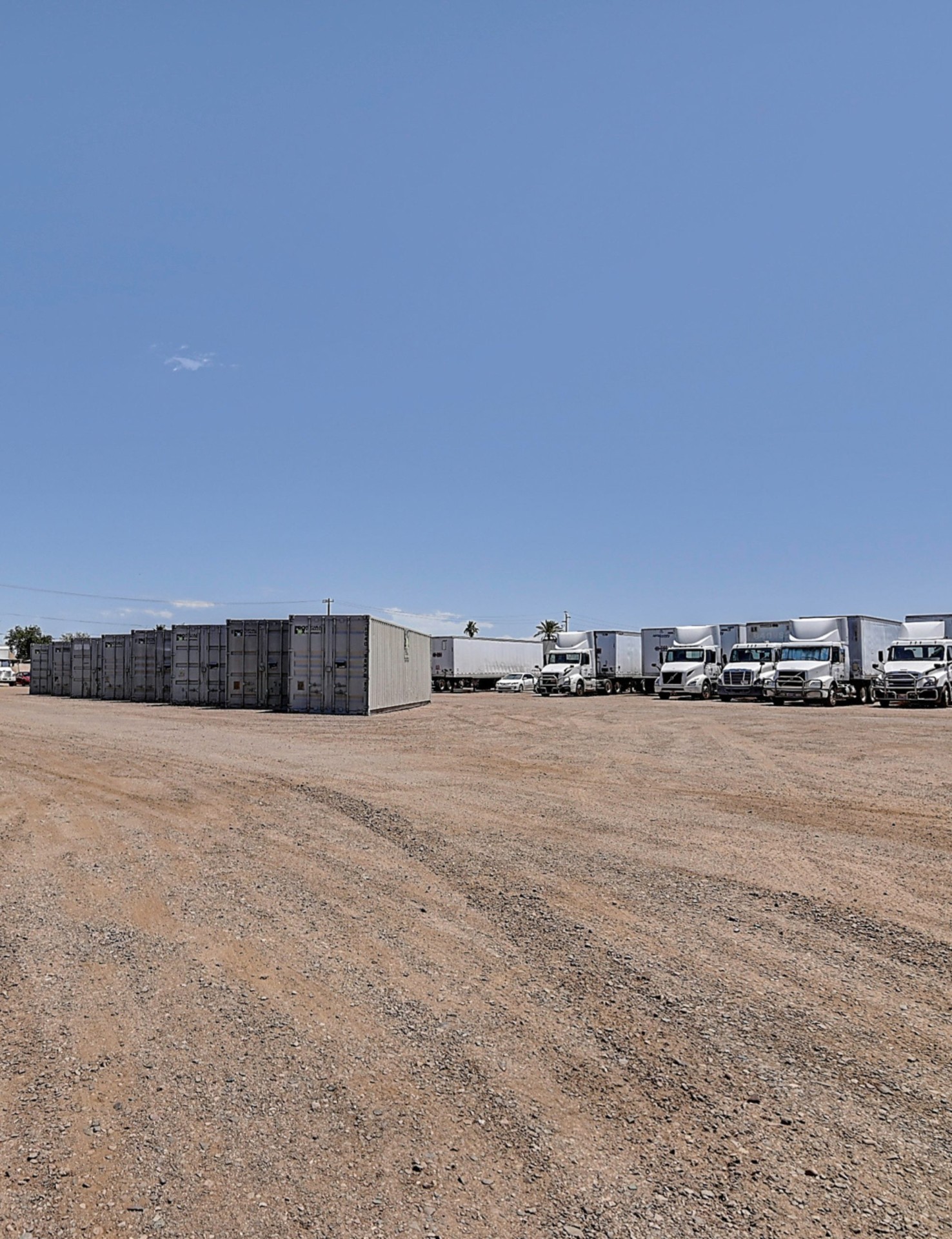
Some contractors get elaborate about this—custom cab covers, hose wraps, the works. Others do the minimum. The right level depends on how long equipment sits and how much you're willing to replace components.
Dust and Debris Management
Phoenix dust infiltrates everything. During haboobs (dust storms), visibility drops to zero and fine particles blow horizontally at high speeds. That dust gets into air filters, electrical connections, bearings, and anywhere else it can reach.
Mitigation approaches:
- Keep windows and hatches closed and sealed
- Cover air intakes and exhaust openings for long-term storage
- Regular filter replacement after dust events
- Inspection of electrical connections for contamination
- Keeping equipment clean reduces dust accumulation points
A storage yard with decent wind breaks (walls, berms, vegetation) reduces dust accumulation compared to a wide-open lot.
Monsoon Preparation
July through September brings the monsoon season. Afternoon thunderstorms can drop several inches of rain in an hour, creating flash floods even in areas that look like they'd drain.
Storage yard requirements:
- Proper grading to direct water away from parking areas
- Retention basins or drainage infrastructure for heavy rain
- Surfaces that don't turn to mud
- No low spots where water pools around equipment
Equipment preparation:
- Keep fuel tanks topped off (reduces condensation)
- Disconnect batteries on equipment that will sit
- Elevate sensitive electronics if possible
- Store smaller items off the ground
Lightning is also a concern. Heavy equipment is grounded when parked, but electrical systems can be damaged by nearby strikes. There's not much you can do about this except have proper insurance.
Security Considerations
Heavy equipment theft is a significant problem nationally, and Phoenix is no exception. The combination of high equipment value, large geographic area, and cross-border accessibility makes the Valley attractive to organized theft operations.
Theft Prevention
Facility-level security:
- Perimeter fencing (8 feet minimum, preferably with anti-climb features)
- Controlled access with individual codes and entry logging
- Camera coverage of all parking areas
- Adequate lighting throughout the facility
- Regular security patrols or on-site management
Equipment-level security:
- Ignition lock-outs or kill switches
- GPS trackers with geofencing alerts
- Wheel locks or track locks for long-term storage
- Registration and marking with visible identification
- Documentation of serial numbers and identifying features
Insurance Requirements
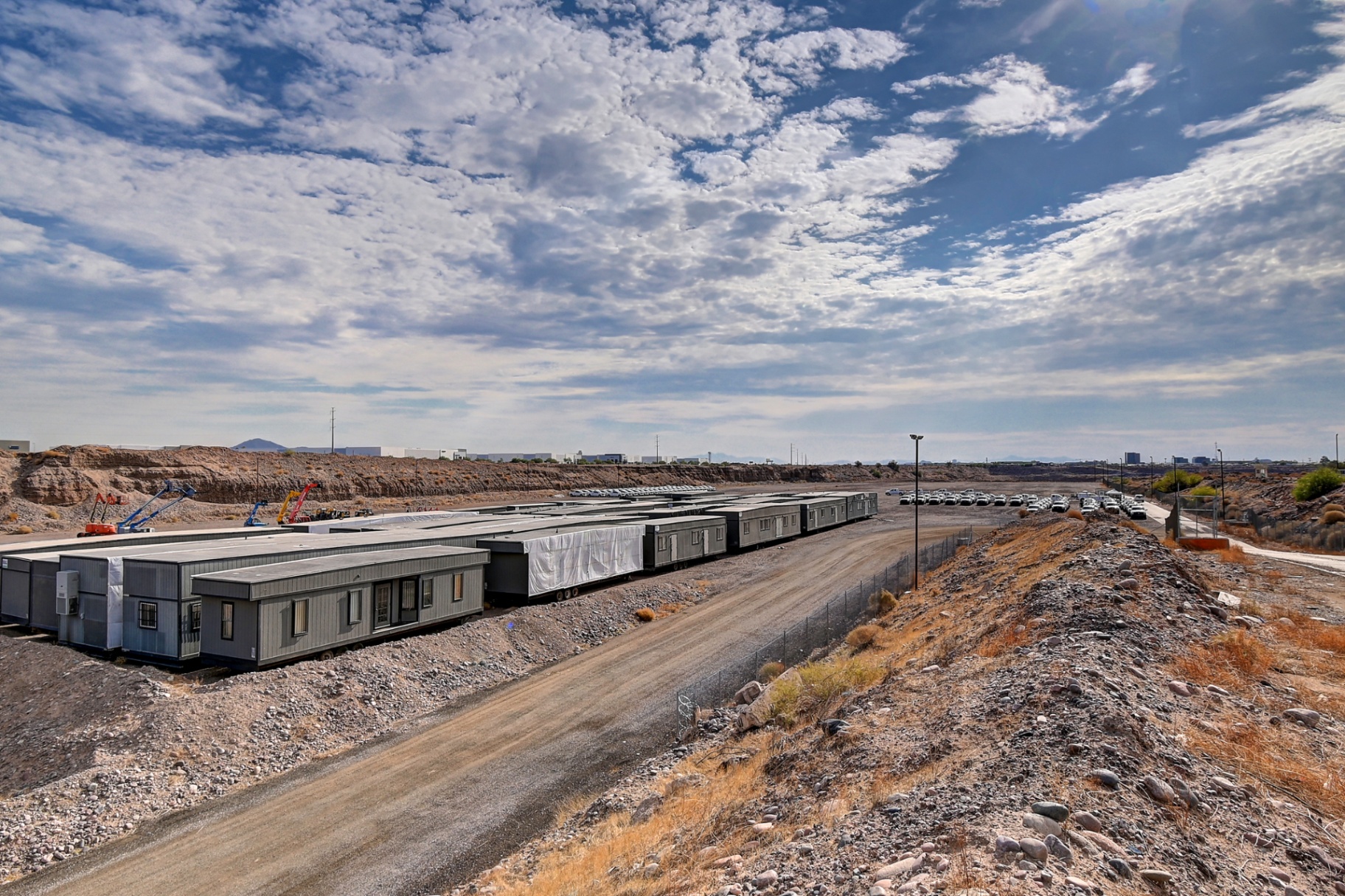
Most equipment policies specify storage security requirements. Failing to meet those requirements can void coverage for theft claims.
Common requirements:
- Storage at scheduled locations (notify insurer of storage location)
- "Reasonable security measures" (often undefined but interpreted)
- Timely reporting of theft or damage
- Documentation of security measures in place
Review your policy with your agent specifically about storage requirements. Get the requirements in writing. Then make sure your storage facility actually meets them—and document that it does.
Practical Storage Protocols
Having the right facility is necessary but not sufficient. How you prepare and maintain equipment during storage matters.
Pre-Storage Checklist
Before parking equipment for more than a few days:
Mechanical preparation:
- Clean thoroughly (dried mud holds moisture)
- Top off all fluids
- Add fuel stabilizer for diesel
- Lubricate all grease points
- Check coolant concentration
- Retract hydraulic cylinders or cover exposed chrome
Security measures:
- Lock all doors, hatches, and access points
- Activate GPS tracking if equipped
- Install mechanical immobilizers for high-value items
- Photograph current condition
Documentation:
- Record hour meter readings
- Note any existing damage
- Update inventory records
- Confirm insurance coverage
Ongoing Maintenance During Storage
Equipment that sits deteriorates. Regular maintenance prevents problems:
Weekly checks:
- Visual inspection for obvious issues
- Verify security measures are intact
- Check for signs of tampering or attempted theft
- Look for pest activity (rodents love equipment compartments)
Monthly maintenance:
- Start engine and run to operating temperature
- Cycle hydraulics through full range of motion
- Check tire pressure
- Inspect fluid levels
- Move equipment slightly to prevent flat-spotting tires
Retrieval Protocol
When taking equipment back to work:
- Full inspection before transport
- Check all fluids and filters
- Test all systems before putting under load
- Address any issues found during storage
- Update records with current condition
Finding the Right Storage
The Phoenix area has numerous storage options for heavy equipment. Evaluating them requires looking beyond the sales pitch.
Evaluation Criteria
Physical capability:
- Does the surface handle your equipment weight?
- Is there adequate maneuvering space?
- Can your transport access the facility easily?
Climate protection:
- Is there adequate drainage?
- Are there any wind breaks or shade structures?
- Has the facility handled monsoons well?
Security:
- What's the actual theft history?
- Are security measures real or cosmetic?
- Does the facility meet your insurance requirements?
Operations:
- Is 24/7 access truly available?
- How responsive is management to problems?
- Are other heavy equipment operators happy there?
Making the Decision
Heavy equipment storage is critical infrastructure for your operation. The wrong choice costs money in equipment damage, theft, wasted time, and operational friction.
Invest the time to evaluate options properly. Visit facilities. Ask questions. Talk to other contractors who store there. Get terms in writing before committing.
The right storage becomes invisible—your equipment is there when you need it, in the condition you left it, with no hassle getting in or out. The wrong storage creates problems you deal with daily.
Choose carefully. Paddock Parking specializes in heavy equipment storage for Phoenix contractors. Visit our locations or contact us to discuss your specific needs.
Ready to Secure Your Storage?
Contact Paddock Parking today to learn about our secure outdoor storage solutions in Phoenix.