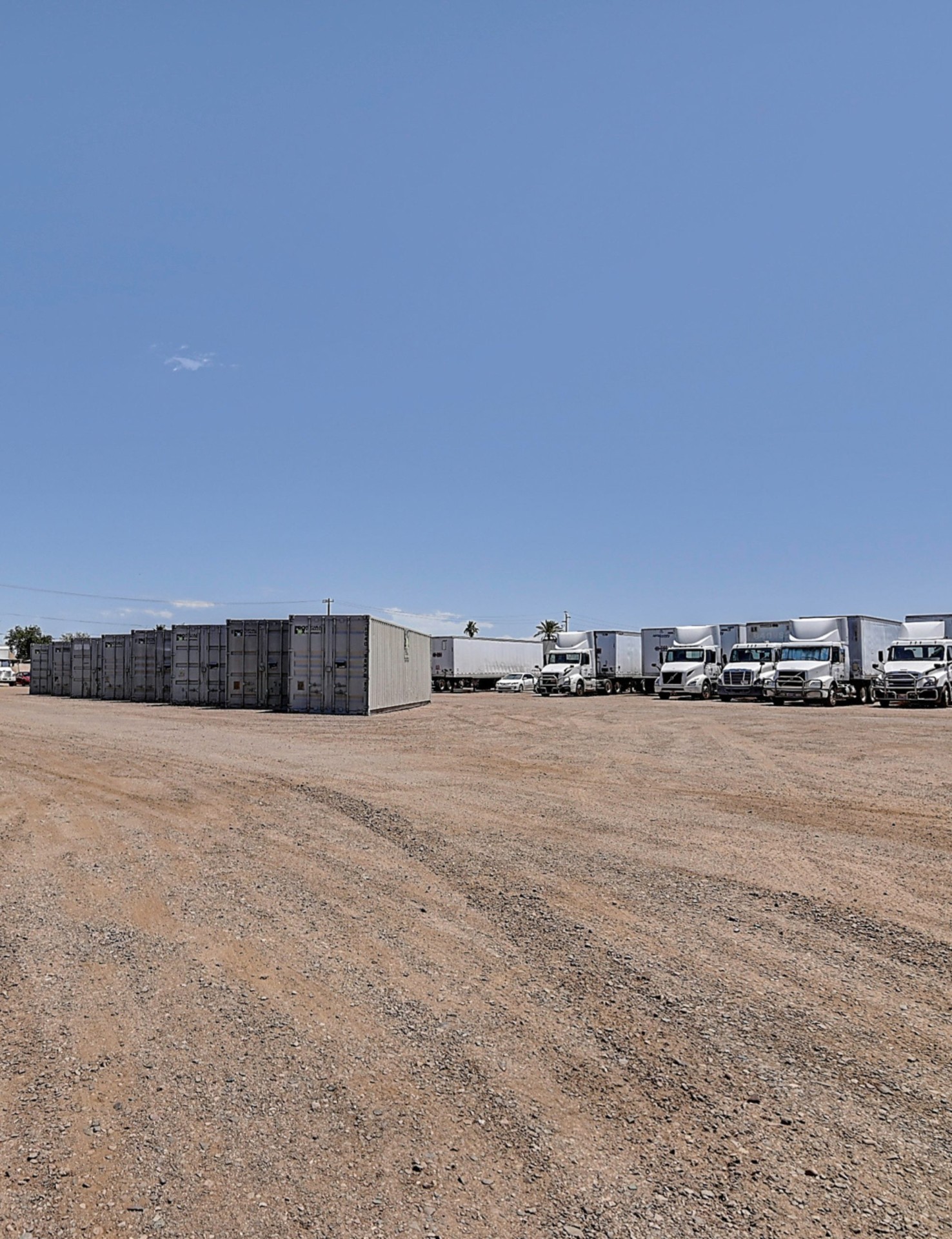
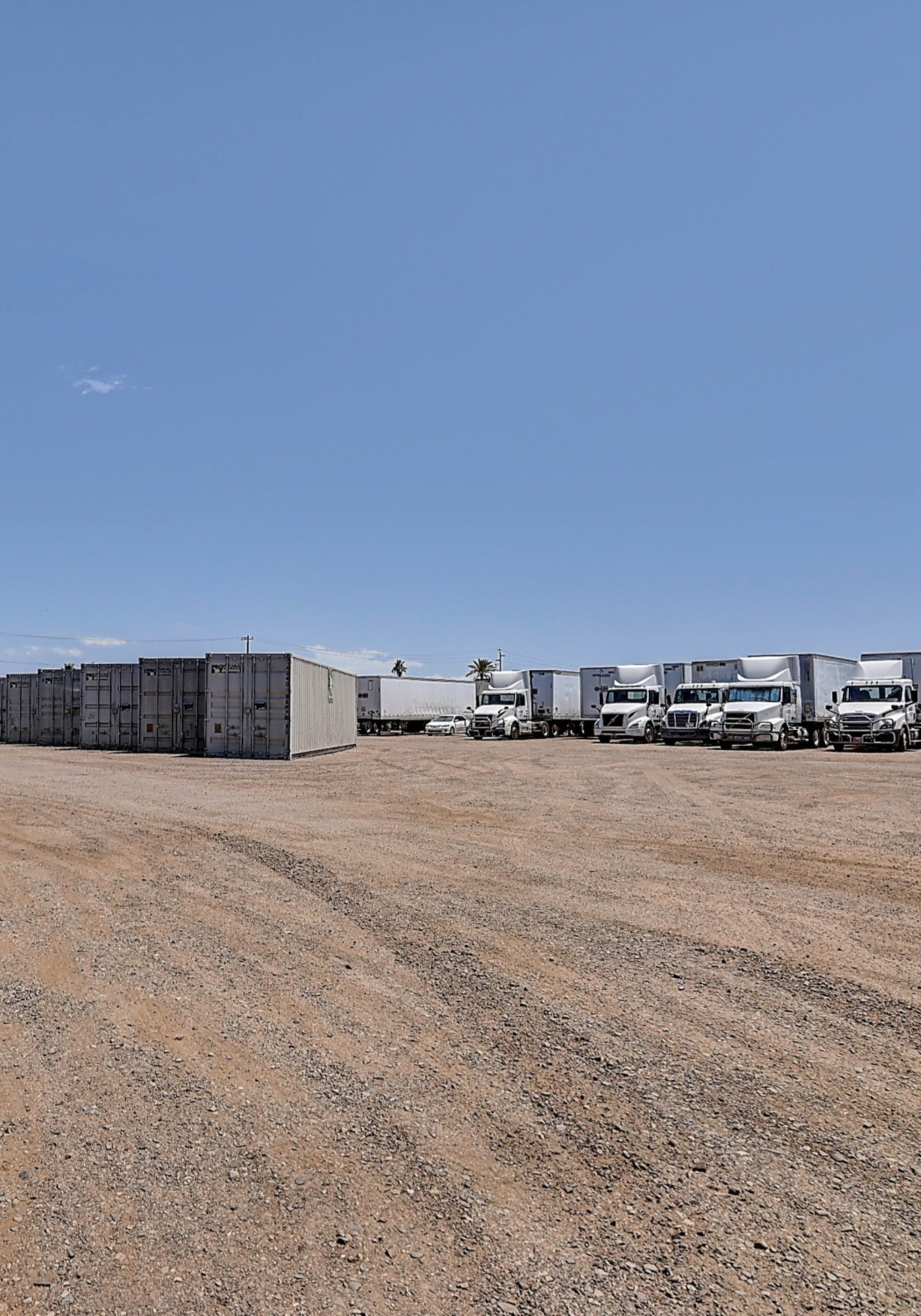
Contractor Storage Near Me: How to Choose the Right Yard
You've searched "contractor storage near me" probably more times than you'd like to admit. Google spits out a mix of self-storage facilities that can't fit your equipment, overpriced lots with no security, and places so far from your job sites they might as well be in another state.
Finding the right storage yard isn't just about proximity on a map. It's about finding a place that fits how you actually work—where you can access your equipment when you need it, where it'll be there when you come back, and where the cost makes sense for your business.
This guide breaks down what actually matters when you're looking for contractor storage, what to watch out for, and how to evaluate whether a yard is worth your money.
Why Location Isn't Just About Distance
The obvious starting point is location. But "near me" means different things depending on your situation.
Where Are Your Jobs?
If you're running jobs across the Phoenix metro, you need storage that's central to your work, not just close to your home. A yard on the west side doesn't help much if most of your projects are in Mesa or Tempe.
Think about your typical week:
- Where do you start most mornings?
- Where do you end most days?
- Which routes do you take most frequently?
The best storage location minimizes total driving time, not just distance from one point. For many contractors, that means a yard near a major highway intersection that gives quick access to multiple areas.
Access Routes Matter
It's not enough to be close if you can't get in and out efficiently. Consider:
- Can you access the yard from the highways you use most?
- Are there weight restrictions on the roads leading to the yard?
- Is the entrance designed for commercial vehicles, or are you squeezing past parked cars?
- How long does it take to get through the gate and reach your equipment?
We've seen contractors choose yards that looked perfect on a map but added 30 minutes to every pickup because of narrow streets, residential speed limits, and gates that take forever to open. Those minutes add up over a year.
Rush Hour Reality
Check the traffic patterns during your typical access times. A yard that's 15 minutes away at 4 PM might be 45 minutes during morning rush hour. If you're grabbing equipment before heading to a 7 AM start, that difference matters.
Drive the route during the times you'd actually be using it. Google Maps estimates are helpful but don't capture everything about a route.
Security: What Actually Protects Your Equipment
Every storage yard claims to be secure. The question is what that actually means.
Perimeter Security
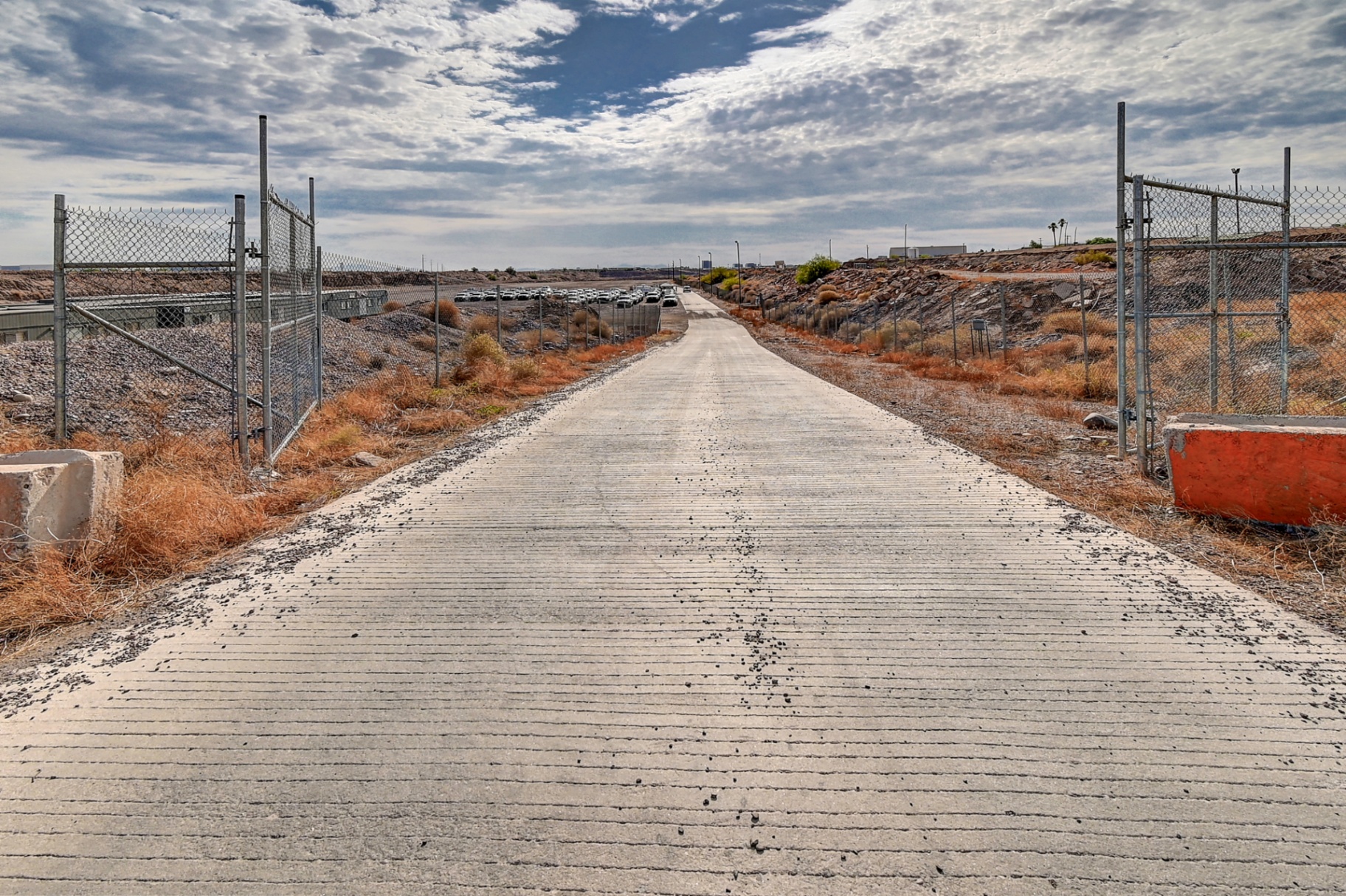
The fence is your first line of defense. What you want:
- Height of at least 6 feet, preferably 8
- Construction that can't be easily climbed (smooth metal slats beat chain-link with horizontal bars)
- Topped with barbed wire, razor wire, or anti-climb features
- No obvious gaps, damage, or weak points
- Gates that can't be bypassed by lifting or crawling under
What you don't want: a chain-link fence with no topping that a motivated thief could scale in 10 seconds.
Access Control
How do people get in?
- Combination locks are the minimum, but codes get shared and rarely changed
- Keypad entry with individual codes is better—you can track who enters when
- Key cards or fobs add another layer and are easier to deactivate if someone loses one
- Some facilities require advance notice for after-hours access
The best systems log every entry with timestamps. If something goes missing, you can narrow down when it happened and who was on the property.
Surveillance
Cameras are standard, but coverage varies wildly:
- Are cameras positioned to capture faces and license plates, or just general activity?
- Do cameras cover the entire lot, or just the entrance?
- Is footage stored locally or in the cloud? For how long?
- Is the system monitored in real-time, or just recorded for review after something happens?
- How quickly can you get footage if you report a theft?
Ask to see the camera placement. Walk the lot and look for blind spots. If valuable equipment could be loaded onto a trailer without being captured clearly on camera, the system isn't good enough.
Lighting
Criminals prefer darkness. Good lighting serves two purposes: deterrence and visibility for cameras.
- Is the entire lot lit, or just areas near the office?
- Are lights on all night, or do they switch off at a certain hour?
- Are there motion-activated lights for additional coverage?
- How quickly are burned-out lights replaced?
Visit the yard after dark if you can. A well-lit lot at 10 AM might be pitch black at 10 PM.
Access Hours and Flexibility
Your work doesn't follow a 9-to-5 schedule. Neither should your storage access.
24/7 Access: What It Really Means
Many yards advertise 24/7 access, but the details matter:
- Is access truly any time, or are there restrictions on holidays or late nights?
- Do you need to call ahead for after-hours access?
- Is the access system reliable, or does it go down periodically?
- Are staff available if you have a problem at 3 AM?
We've heard stories of contractors locked out of yards because access systems failed and no one was available to fix them. At 4 in the morning when you need to grab a trailer for a job, that's a serious problem.
How Quickly Can You Get In and Out?
Time is money. Consider:
- How fast does the gate open?
- How far is your space from the entrance?
- Is there room to maneuver, or are you doing 12-point turns to get your trailer positioned?
- Are there bottlenecks where vehicles wait for others to pass?
A quick pickup should take minutes, not half an hour.
Surface Conditions and Maintenance
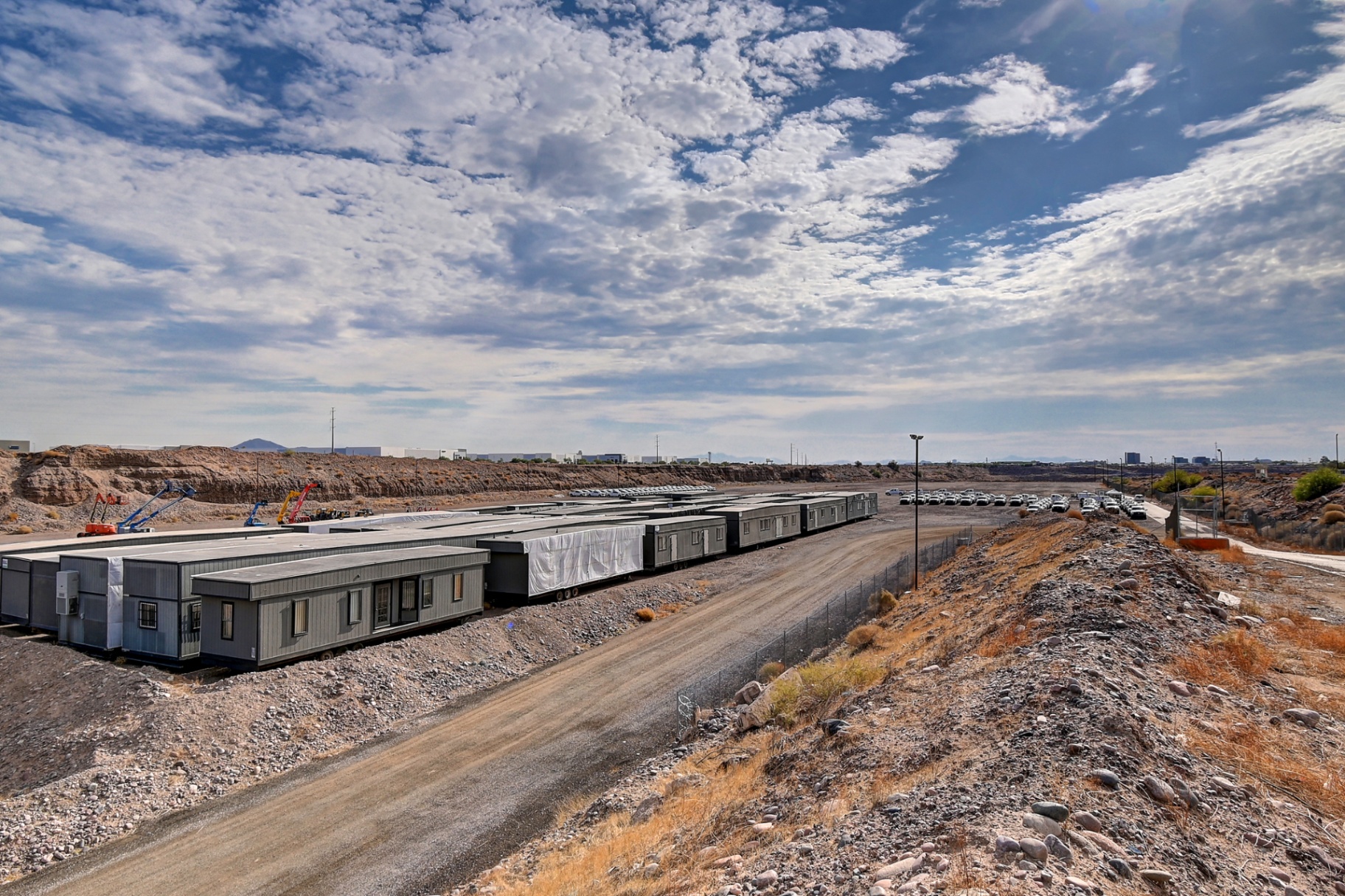
The ground your equipment sits on affects both the equipment and your operations.
Surface Material
Different surfaces have different trade-offs:
- Paved (asphalt or concrete): Best for preventing equipment from sinking, easiest to keep clean, fastest for maneuvering. Higher cost usually reflected in rates.
- Compacted gravel: Good compromise between cost and stability. Drains well. May need periodic regrading.
- Crushed rock: Similar to gravel, works well when properly maintained.
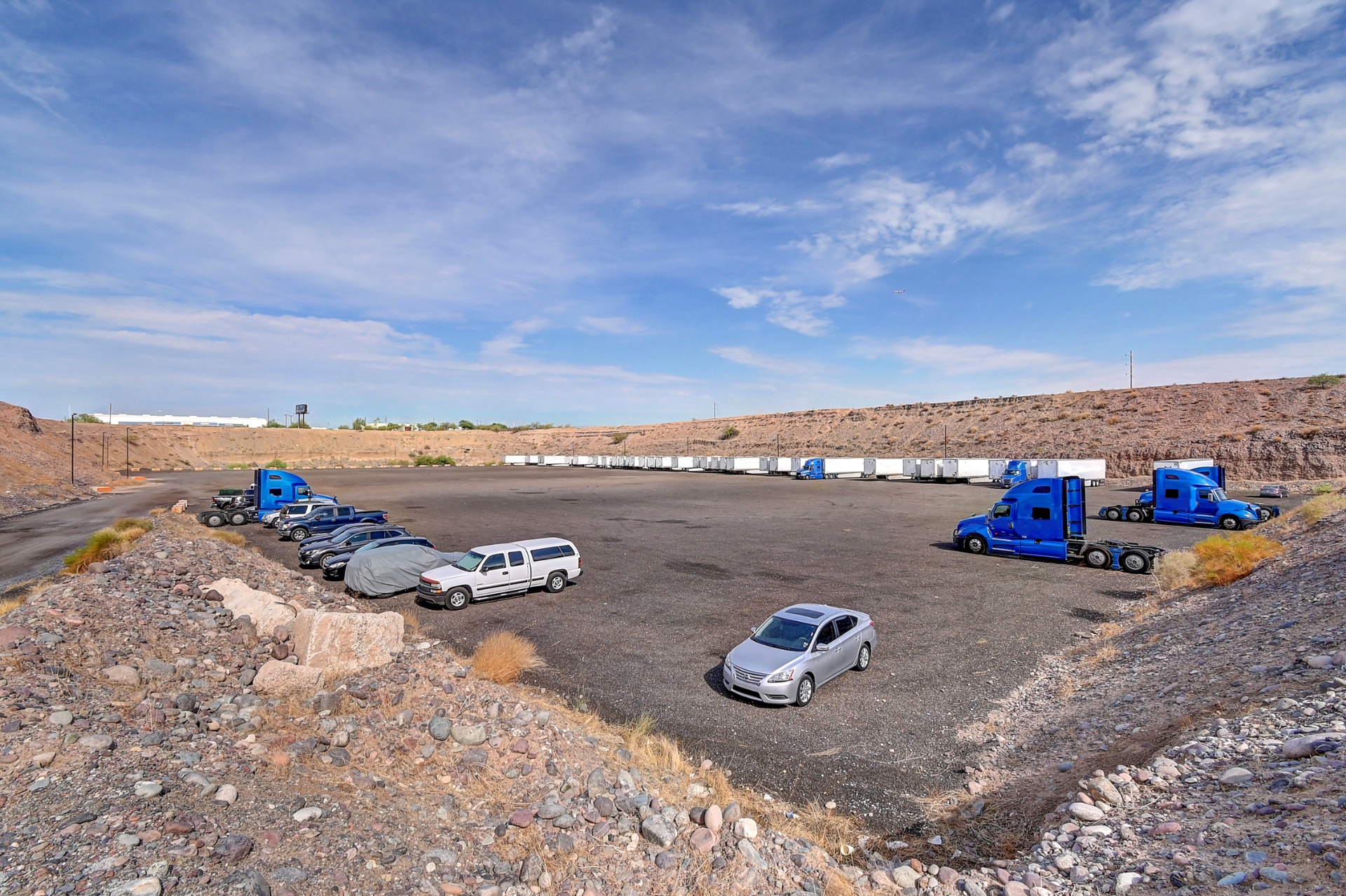
- Dirt: Cheapest for the operator, but problematic for you. Turns to mud, creates dust, equipment sinks.
For heavy equipment, pavement or well-maintained gravel is essential. Dirt lots might work for light equipment in dry weather but become unusable during monsoon season.
Drainage
Water is the enemy:
- Does water drain away from parking areas or pool in low spots?
- Are there retention basins or drainage channels for heavy rain?
- What happens during monsoon storms? Ask specifically.
- Have they ever had equipment damaged by flooding?
A properly graded yard moves water to designated areas and away from stored equipment. Flat dirt lots with no drainage infrastructure are trouble waiting to happen.
Ongoing Maintenance
How well is the yard kept up?
- Are potholes and ruts repaired promptly?
- Is the surface kept clean of debris?
- Are painted lines and markers maintained?
- Is the perimeter clear of brush and debris that could hide intruders?
A yard that looks neglected on your first visit probably doesn't get more attention after they have your money.
Pricing: Beyond the Monthly Rate
The quoted monthly rate is just the starting point. Understanding the full cost requires asking the right questions.
What's Included?
Get specifics on:
- Is the rate for a specific space or for general parking?
- Are you charged by the vehicle/equipment or by the square footage?
- Does the rate include all vehicles, or is there a limit?
- Are utilities included if you need to plug in equipment?
What's Extra?
Common add-on charges:
- Deposit (usually one or two months' rent)
- Gate access key or fob fee
- Insurance requirements (some yards require specific coverage)
- After-hours access fees at some facilities
- Administrative fees for contract changes
Ask for a complete list of all possible charges before you sign.
Contract Terms
Understand what you're committing to:
- Month-to-month or annual contract?
- What's the notice period for cancellation?
- Are there penalties for early termination?
- How and when can rates be increased?
- What happens if you need more or less space?
Month-to-month flexibility often comes at a premium, but for many contractors, it's worth it. Projects end, needs change, and being locked into a 12-month contract for space you no longer need is expensive.
Red Flags That Should Make You Walk Away
Some problems are fixable. Others are warning signs to find somewhere else.
Security Theater
If security measures are clearly for show rather than function:
- Cameras that are obviously fake or disconnected
- Fencing with visible holes or damage that hasn't been repaired
- Gates that don't close properly
- Lighting that barely illuminates anything
Real security requires investment. If a yard isn't investing in security, they're hoping nothing happens rather than preventing it.
Access Problems
If getting to your equipment is already difficult:
- Gates that malfunction during your visit
- Access codes that don't work
- Staff who can't explain how the access system works
- Limited hours that don't match your needs
These problems don't get better after you sign a contract.
Poor Maintenance
Signs of neglect:
- Standing water with no apparent drainage plan
- Potholes and ruts that haven't been addressed
- Overgrown vegetation along fences
- General trash and debris scattered around
A yard that looks bad is a yard that's not being managed well. Problems you see are usually just the visible portion of larger issues.
Vague or Evasive Answers
If the operator can't or won't answer basic questions:
- "I'll have to check on that" for basic operational questions
- Unwillingness to provide a complete list of fees
- Contracts they won't let you review before signing
- References they refuse to provide
Reputable operators are transparent because they have nothing to hide.
Making the Right Choice
Choosing a storage yard is a business decision with ongoing impact. The wrong choice costs you time, money, and potentially equipment.
Take the time to visit multiple facilities. Ask the questions outlined here. Get everything in writing before you commit. And trust your instincts—if something feels off during your visit, it probably is.
The right storage yard becomes a tool that supports your business operations. The wrong one becomes a constant headache. The difference is usually apparent if you know what to look for.
At Paddock Parking, we offer secure contractor storage at four convenient Phoenix locations. Contact us to schedule a tour and see the difference a professional storage facility makes.
Ready to Secure Your Storage?
Contact Paddock Parking today to learn about our secure outdoor storage solutions in Phoenix.