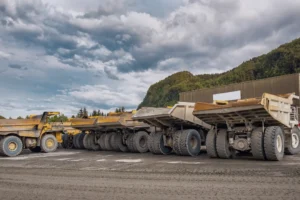



Leaving heavy equipment and trucks outside might seem simple—park it, lock it, and move on. But anyone who’s dealt with rusted parts, drained batteries, weather damage, or even theft knows that outdoor storage comes with real risks if it’s not done right. From construction sites to growing fleets, more businesses rely on outdoor storage every day, making safety a lot more important than people realize.
The good news? You don’t need overly complicated systems or expensive upgrades to protect your equipment. With the right approach, outdoor storage can be just as secure and efficient as other options—sometimes even more so. It’s all about understanding what your equipment is exposed to and taking smart, practical steps to reduce those risks before they turn into costly problems.
In this guide, we’ll break down realistic, easy-to-follow outdoor storage safety tips designed for everyday contractors, business owners, and equipment operators. You’ll learn how to protect your investment from weather, theft, and wear, how to organize storage areas more safely, and when it might make sense to consider professional solutions. Whether you’re storing one truck or managing multiple machines, this post will help you make outdoor storage safer, smarter, and far less stressful.
Choosing the Right Outdoor Storage Location for Safety and Longevity

What to Look for in a Secure Outdoor Storage Facility
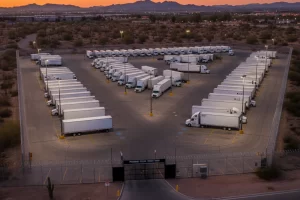
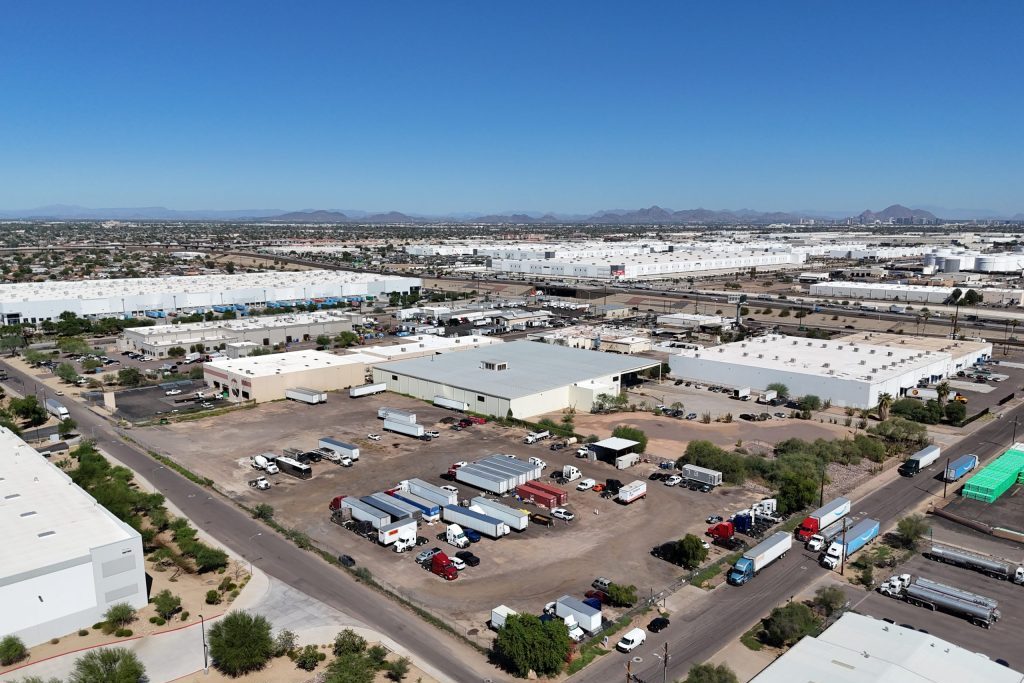
Not all outdoor storage spaces are created equal, and choosing the wrong location can quickly undo even the best safety efforts. A good outdoor storage setup starts with visibility and access control. Areas that are well lit, easy to monitor, and properly fenced make a huge difference when it comes to deterring theft and vandalism. Even simple things like gated entry points or controlled access hours add an extra layer of protection that open lots just can’t offer.
Ground conditions matter more than most people expect. Uneven surfaces, poor drainage, or soft ground can lead to equipment shifting, sinking, or sitting in standing water. Over time, that kind of exposure can cause corrosion, alignment issues, and unnecessary wear. Choosing a location with stable, well-maintained surfaces helps extend the life of your equipment and reduces maintenance headaches down the line. This is one reason many contractors lean toward professional commercial storage options, where these details are already taken care of.
Commercial Storage vs. On-Site Storage
Storing equipment directly on a job site might feel convenient, but it often comes with hidden risks. Job sites change constantly, security is usually limited, and equipment can be left exposed to weather and foot traffic. Outdoor storage at a dedicated facility, on the other hand, offers consistency. Commercial storage spaces are designed specifically for long-term equipment protection, making them a safer and more reliable option for heavy equipment storage.
For growing businesses, flexibility is another big advantage. Instead of overcrowding job sites or relying on temporary solutions, commercial storage allows you to scale as your fleet grows. Many contractors searching for contractor storage near me are really looking for peace of mind—knowing their equipment is stored safely, securely, and ready to go when the next job starts. Choosing the right outdoor storage location isn’t just about space; it’s about protecting your investment and keeping your operations running smoothly.
Preparing Heavy Equipment and Trucks Before Outdoor Storage
Why Preparation Makes All the Difference
One of the biggest mistakes people make with outdoor storage is skipping the prep work. Parking equipment and walking away might save a few minutes today, but it often leads to bigger problems later. Taking the time to properly prepare your trucks and machinery before outdoor storage helps prevent damage, reduces maintenance costs, and makes sure everything is ready to perform when you need it again. Whether your equipment is sitting for a few days or several months, a little effort upfront goes a long way.
This is especially important for heavy equipment storage, where exposure to the elements can quietly cause wear that isn’t obvious until something breaks. Even when using commercial storage facilities, preparation is still your responsibility and can significantly extend the life of your equipment.
Pre-Storage Inspections That Prevent Costly Surprises
Before placing equipment into outdoor storage, a thorough inspection is essential. Dirt, mud, and debris may not seem like a big deal, but they trap moisture and accelerate corrosion over time. Cleaning equipment before storage helps protect metal surfaces and makes it easier to spot existing issues. Checking fluid levels, seals, hoses, and batteries also helps catch small problems before they turn into expensive repairs.
It’s also a good idea to document the condition of your equipment before storage. Photos and notes provide a useful reference and can help with maintenance planning or insurance claims if something goes wrong. This step is often overlooked, but it’s one of the simplest ways to protect your investment.
Protecting Equipment From Weather and Environmental Damage
Weather is one of the biggest challenges of outdoor storage, especially when equipment is left exposed for long periods. Using high-quality covers or weather-resistant materials helps shield equipment from rain, sun, and debris. Parking orientation also matters. Positioning equipment to minimize direct sun exposure or prevailing wind can reduce wear on seals, tires, and exterior components.
Proper placement is just as important as protection. Storing equipment on raised or well-drained surfaces helps prevent water pooling underneath, which can lead to rust and electrical issues. Many contractors who search for contractor storage near me choose commercial storage locations because they’re designed with these environmental factors in mind. When outdoor storage is done right, it becomes a reliable and practical solution rather than a constant source of problems.
Theft Prevention and Security Best Practices for Outdoor Storage

Why Outdoor Storage Security Deserves Extra Attention
When equipment is stored outside, security becomes just as important as weather protection—sometimes even more so. Heavy equipment and trucks are valuable, highly visible, and often targeted simply because they’re easier to access in outdoor storage areas. Even short periods of unsecured outdoor storage can create opportunities for theft, vandalism, or unauthorized use, all of which can lead to serious downtime and unexpected costs.
The goal isn’t to turn your storage area into a fortress, but to make it difficult enough that thieves move on. A layered approach works best, combining smart placement, physical deterrents, and basic monitoring. This applies whether equipment is stored on-site or in a commercial storage facility.
Simple Physical Security Measures That Make a Big Impact
Small security upgrades can dramatically reduce risk. Positioning equipment close together or in a way that blocks access to critical components makes tampering more difficult. Immobilizing equipment when it’s not in use, even temporarily, adds another hurdle that most thieves won’t bother with. Locking access points, securing fuel caps, and limiting keys to trusted personnel also go a long way in protecting heavy equipment storage areas.
Visibility plays a huge role in deterrence. Well-lit outdoor storage spaces naturally discourage unwanted activity, especially after hours. This is one reason many contractors prefer commercial storage options, where lighting and access control are already built into the facility design.
Using Technology to Strengthen Outdoor Storage Protection
Modern security tools make outdoor storage safer than ever without adding unnecessary complexity. GPS tracking allows you to monitor equipment location in real time and can be invaluable if something goes missing. Cameras and motion sensors add another layer of awareness, helping deter theft while also providing documentation if an incident occurs.
For businesses managing multiple assets, these tools help maintain accountability across storage locations. Contractors searching for contractor storage near me often discover that professional commercial storage facilities offer these features as standard, making them an efficient and cost-effective way to protect valuable equipment. When outdoor storage security is handled thoughtfully, it not only reduces losses but also gives you confidence that your equipment will be right where you left it—ready for the next job.
Organizing and Managing Outdoor Storage for Daily Safety
Creating a Layout That Reduces Risk and Saves Time
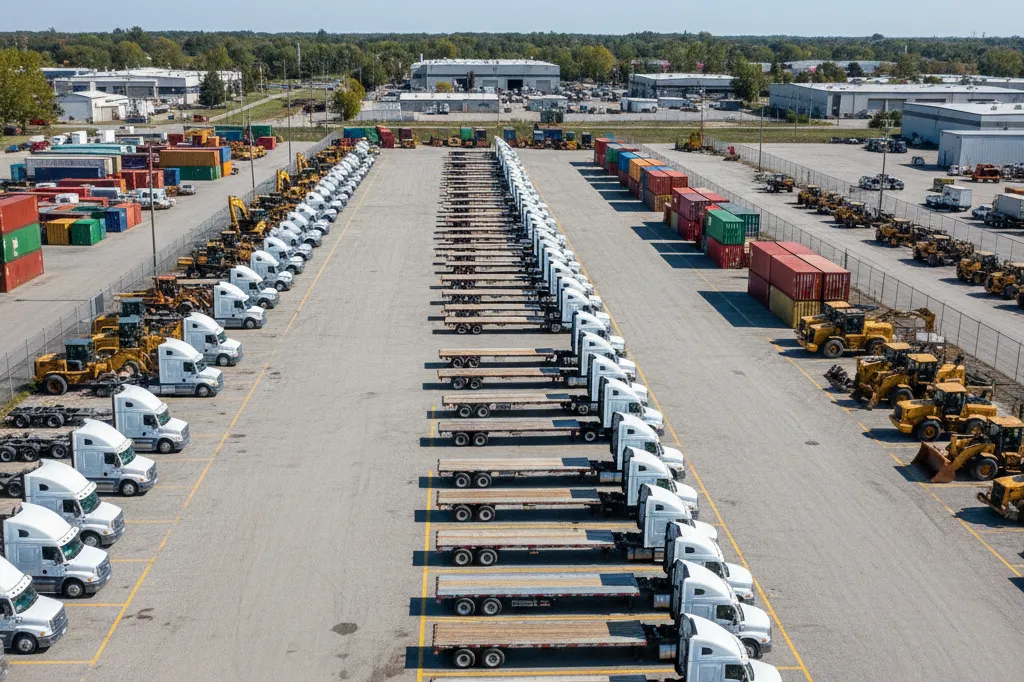
A cluttered storage area doesn’t just look messy—it can be dangerous. When outdoor storage spaces aren’t organized properly, accidents become more likely, equipment gets damaged, and everyday tasks take longer than they should. Creating a clear, intentional layout helps keep both people and equipment safe while making daily operations smoother.
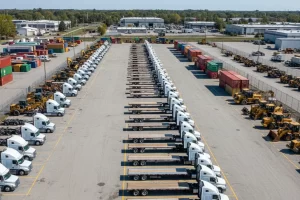
Spacing is key. Heavy equipment and trucks need enough room to be accessed without squeezing past other machines or obstacles. Clear drive paths reduce the risk of collisions, especially in low-light conditions or during early morning starts. Stable surfaces and proper drainage also play a big role, helping prevent equipment from shifting or tipping over time. These details may seem small, but they add up to a safer and more efficient outdoor storage environment.
Managing Access and Setting Safety Standards
Good organization isn’t just about where equipment sits—it’s also about who can access it and how. Limiting access to outdoor storage areas helps prevent unauthorized use and reduces liability. Clear signage, designated zones, and consistent storage rules make it easier for teams to follow safety expectations without confusion.
As businesses grow, managing heavy equipment storage becomes more complex. This is where commercial storage can offer real advantages. Many facilities are designed to support organized layouts, controlled access, and safer traffic flow, taking pressure off your team. For contractors searching for contractor storage near me, these features often make professional outdoor storage a practical solution rather than just a convenience. When equipment is organized, accessible, and secure, day-to-day operations run smoother—and safety becomes part of the routine rather than an afterthought.
Also Read: Outdoor Storage Solutions to Keep Equipment Safe
Seasonal Outdoor Storage Safety Tips You Can’t Ignore
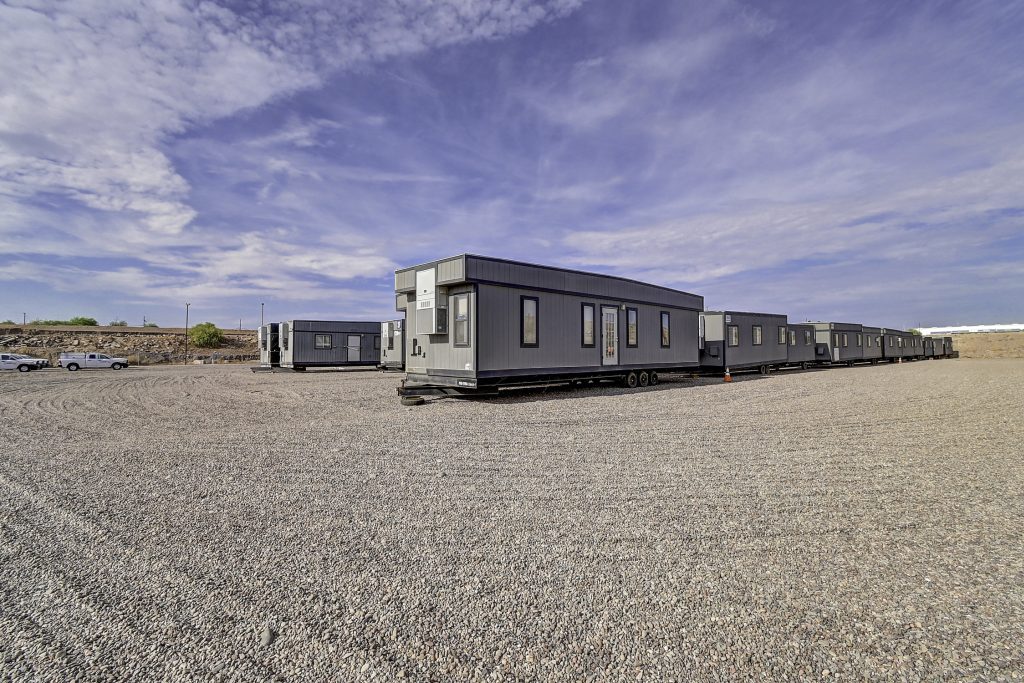
Preparing Heavy Equipment Storage for Cold and Wet Seasons
Seasonal changes can quietly undo months of careful planning if outdoor storage isn’t adjusted along the way. Colder and wetter seasons bring a unique set of challenges, especially for heavy equipment storage. Freezing temperatures can affect batteries, fluids, and seals, while constant moisture increases the risk of rust and corrosion. Before winter hits, it’s important to make sure equipment is properly serviced, fluids are rated for lower temperatures, and batteries are either disconnected or regularly maintained.
Ground conditions also change with the seasons. Rain, snow, or melting ice can lead to soft ground and poor drainage, causing equipment to sink or sit in standing water. Choosing outdoor storage locations with stable surfaces becomes even more critical during these months, which is why many businesses rely on commercial storage facilities designed to handle year-round conditions.
Managing Heat, Sun, and Storm Exposure in Warmer Months
Warm weather brings its own set of risks. Prolonged sun exposure can fade paint, dry out hoses, and weaken seals over time. Storms, high winds, and heavy rain can also catch unprepared storage areas off guard. Simple adjustments, like repositioning equipment to reduce direct sun exposure or using weather-resistant covers, can make a noticeable difference.
Seasonal planning isn’t about reacting after damage happens—it’s about staying one step ahead. Contractors often start searching for contractor storage near me when they realize their current setup doesn’t hold up year-round. A well-managed outdoor storage strategy that adapts with the seasons helps protect equipment, reduce maintenance costs, and keep operations running smoothly no matter what the weather brings.
Smarter Outdoor Storage Starts With Safety
Outdoor storage doesn’t have to feel like a gamble. When done right, it can be a reliable, cost-effective way to store heavy equipment and trucks without sacrificing safety or performance. Throughout this guide, we’ve covered how choosing the right location, preparing equipment properly, strengthening security, and staying organized all work together to protect your investment. Each step builds on the last, turning outdoor storage from a potential risk into a practical solution you can count on.
The biggest takeaway is simple: safety isn’t about one big upgrade, it’s about consistent, smart decisions. From routine inspections to thoughtful layout planning, small actions can prevent costly damage, reduce downtime, and keep your equipment ready for work. For many growing businesses, professional commercial storage also plays a key role, offering built-in security and structure that’s hard to match on your own.
If your current outdoor storage setup feels crowded, disorganized, or vulnerable, now is a great time to reassess. Explore better storage options, review your safety practices, or look into contractor storage near me solutions that fit your needs. A safer storage plan today means fewer problems tomorrow—and more time focusing on the work that really matters.