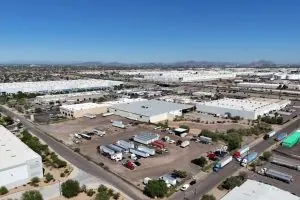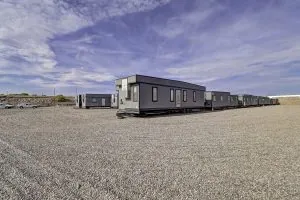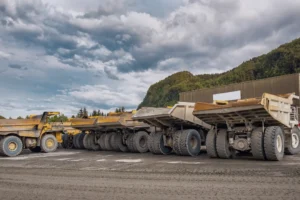


As construction businesses grow, so do the challenges that come with managing tools, vehicles, and materials. What once fit neatly behind a shop or job site can quickly turn into daily headaches—lost time, damaged equipment, and crews waiting around instead of getting to work. That’s where outdoor storage stops being an afterthought and starts becoming a smart business decision.
Whether you’re expanding your crew, adding more trucks, or taking on larger projects, the way you manage your storage space can directly impact productivity, safety, and profitability. The right setup doesn’t just give you room to park equipment—it helps your team move faster, protects valuable assets, and supports long-term growth without constant reshuffling.
In this guide, we’ll break down practical, real-world best practices for outdoor storage that growing construction businesses can actually use. You’ll learn how to organize space more efficiently, protect heavy equipment, improve daily workflows, and avoid common mistakes that cost time and money. If you’ve ever searched for a better way to manage your yard or wondered whether your current setup is holding you back, this post will give you clear insights and actionable ideas to build a storage strategy that grows with your business.
Why Outdoor Storage Becomes a Growth Bottleneck for Construction Companies

At the start, outdoor storage is usually the least of a contractor’s worries. A few trucks, some tools, maybe a piece of heavy equipment parked wherever there’s space—it works well enough when the business is small. But as jobs increase and crews multiply, that “we’ll figure it out later” approach starts to show cracks. What once felt flexible can quickly turn into one of the biggest obstacles to smooth operations.
When Growth Outpaces Your Storage Setup
As construction businesses grow, outdoor storage often doesn’t evolve at the same pace. More projects mean more materials, more vehicles, and more equipment competing for limited space. Without a clear plan, yards become cluttered, access points get blocked, and crews spend valuable time just trying to locate what they need. This is where many contractors realize their storage situation is no longer supporting growth—it’s slowing it down.
The Hidden Costs of Disorganized Storage
Poor outdoor storage doesn’t just look messy; it quietly drains money. Tools go missing, materials get damaged by weather, and heavy equipment storage becomes an afterthought instead of a priority. Delays at the start of the day add up, and maintenance costs rise when equipment isn’t properly protected. Even searching for commercial storage or typing “contractor storage near me” becomes reactive rather than strategic, often leading to rushed decisions that don’t fully solve the problem.
From Temporary Fix to Strategic Asset
The most successful construction businesses eventually shift their mindset. Outdoor storage stops being just a place to park and starts functioning as part of their operational infrastructure. When planned properly, it supports efficiency, protects assets, and makes scaling easier instead of more chaotic. Recognizing outdoor storage as a growth lever—not just extra space—is the first step toward building a setup that works with your business, not against it.
Choosing the Right Outdoor Storage Setup for Your Business Stage
Not all outdoor storage needs look the same, and that’s especially true as a construction business moves from small jobs to larger, more complex projects. What works when you’re running a tight crew with a handful of tools often breaks down once you add more trucks, equipment, and people into the mix. The key is matching your storage setup to where your business is today—while leaving room for where it’s headed.
Small Operations Versus Growing Crews
Early-stage contractors usually value flexibility. Parking equipment on-site or using a basic yard can feel convenient and cost-effective at first. But as workloads increase, that flexibility can quickly turn into inefficiency. Growing crews need space that supports daily routines, clear access, and consistent organization. Outdoor storage becomes less about squeezing things in and more about creating order that keeps everyone moving.
Dedicated Yards and Commercial Storage Options
As businesses scale, many start weighing the choice between a dedicated yard and shared commercial storage. A private yard offers control and customization, which is ideal for companies with expanding fleets or specialized heavy equipment storage needs. On the other hand, commercial storage can be a smart stepping stone, especially when location and security are already built in. The right choice often depends on how quickly you’re growing and how much equipment you manage day to day.
Finding the Right Location Without the Guesswork
It’s common for contractors to search “contractor storage near me” when things start feeling crowded. Location matters more than many realize. A yard that’s close to major routes and job sites can save hours each week in travel time and fuel costs. Choosing outdoor storage that aligns with your operations—not just your budget—sets the foundation for smoother growth and fewer growing pains down the road.
Best Practices for Heavy Equipment Storage and Protection
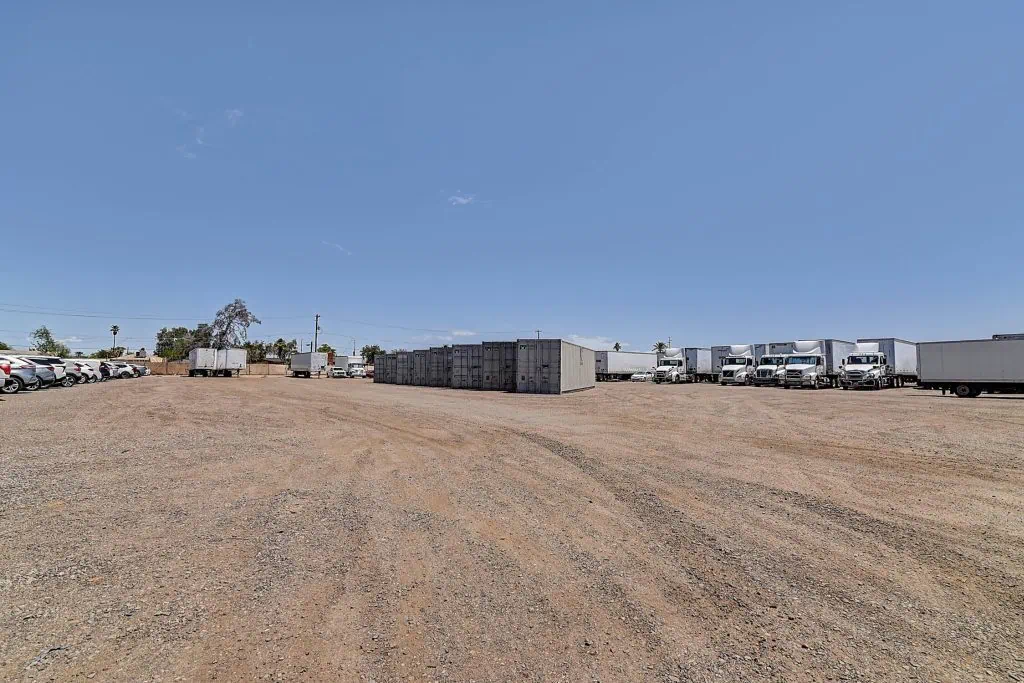
For most construction businesses, heavy equipment is one of the biggest investments they’ll ever make. Excavators, loaders, trucks, and trailers aren’t just tools—they’re what keep jobs moving and revenue coming in. That’s why outdoor storage needs to do more than provide space. It has to actively protect those assets and make them easy to use every single day.
Organizing Equipment for Real-World Use
Effective heavy equipment storage starts with how things are arranged, not how much space you have. Equipment that’s used daily should never be blocked in or parked at the far end of the yard. When outdoor storage is organized around workflow, crews can grab what they need and head out without unnecessary shuffling. Clear paths, consistent parking spots, and logical grouping reduce confusion and help prevent accidental damage caused by tight maneuvering.
Protecting Equipment from Weather and Wear
Leaving equipment exposed is one of the fastest ways to increase maintenance costs. Outdoor storage should account for drainage, surface stability, and protection from the elements. Muddy ground, pooled water, and uneven surfaces lead to rust, mechanical issues, and premature wear. Even in shared commercial storage environments, choosing a yard with proper ground prep and basic shelter options can make a noticeable difference in how long equipment stays job-ready.
Security That Matches the Value of Your Assets
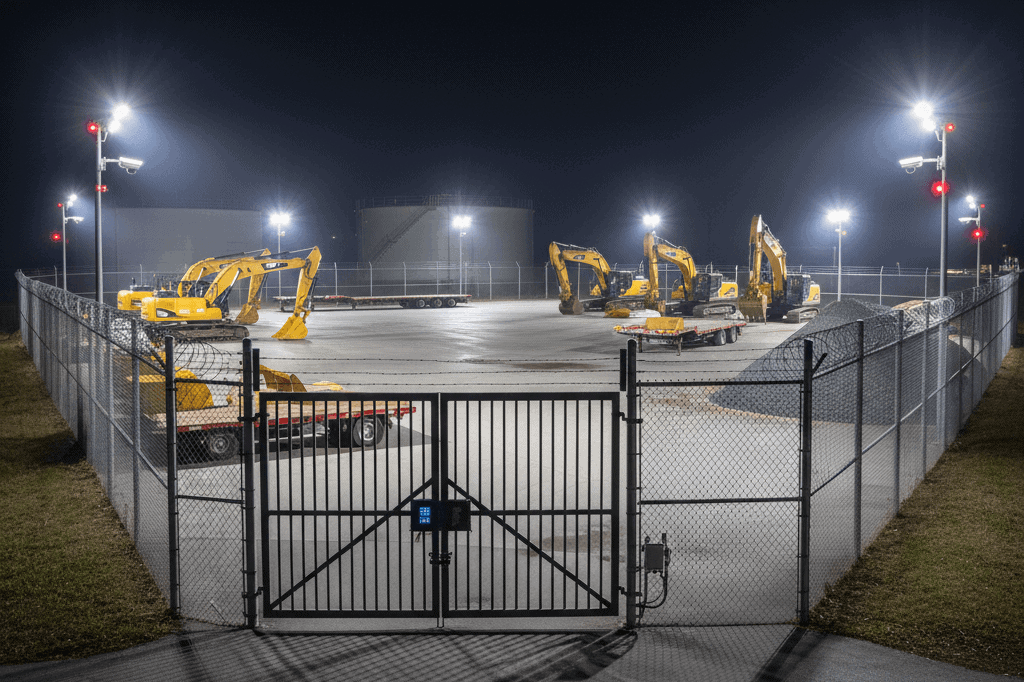
As equipment values rise, so does the need for better security. Heavy equipment storage isn’t just about keeping machines safe from weather—it’s about protecting them from theft and unauthorized use. Well-lit yards, controlled access points, and thoughtful layout all play a role. When contractors search for “contractor storage near me,” security should be part of the decision, not an afterthought. Strong outdoor storage protects your investment and gives you peace of mind when the workday ends.
Yard Layout Strategies That Save Time and Labor
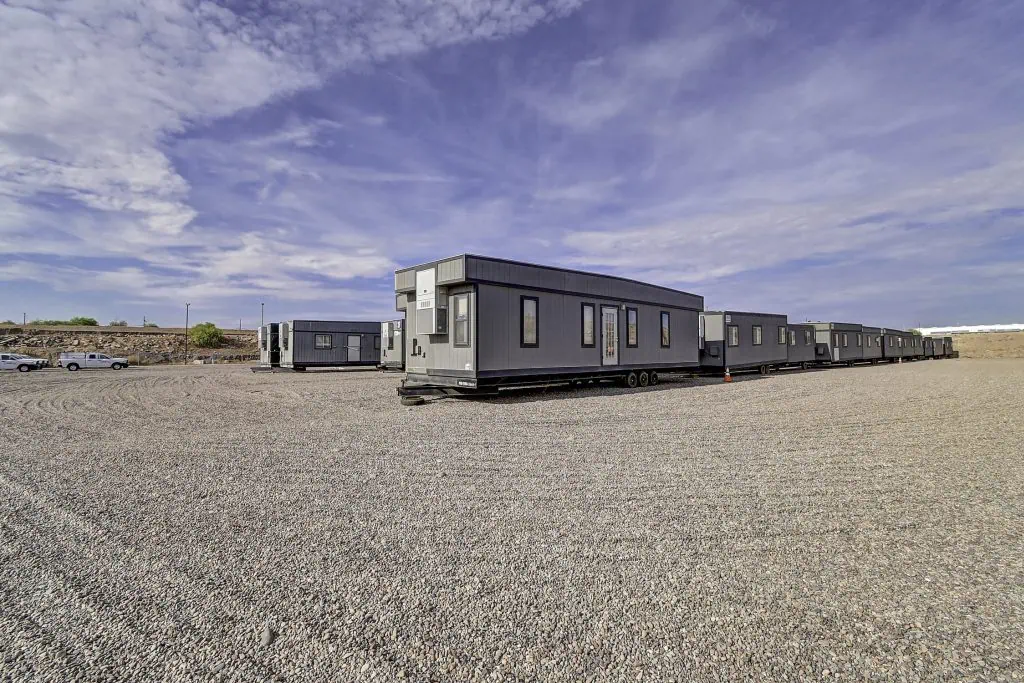
When outdoor storage is thoughtfully laid out, it quietly makes everyone’s job easier. When it’s not, crews feel it immediately. Trucks get stuck waiting, equipment has to be moved multiple times, and simple tasks take longer than they should. The way a yard is organized has a direct impact on how efficiently a construction business operates day after day.
Designing Around Workflow, Not Just Space
One of the most common mistakes with outdoor storage is focusing only on how much space is available instead of how that space is used. A yard might look large enough on paper, but without a logical flow, it quickly becomes cramped. Equipment, materials, and vehicles should be arranged based on how often they’re used and how crews move through the space. When heavy equipment storage is positioned with daily routines in mind, it reduces bottlenecks and cuts down on unnecessary repositioning.
Minimizing Delays During Busy Mornings
Mornings are when poor layout causes the most frustration. Crews arrive at the same time, trucks need to be loaded, and equipment needs to exit the yard quickly. Outdoor storage that forces vehicles to wait or backtrack creates delays that ripple through the entire day. Clear entry and exit points, wide driving lanes, and easy access to commonly used materials help keep things moving. This is especially important in shared commercial storage settings, where multiple businesses may be operating at once.
Planning for Growth Without Starting Over
A smart yard layout isn’t just about today’s needs. As businesses grow, adding more trucks or equipment shouldn’t require a complete redesign. Outdoor storage that’s planned with expansion in mind allows for smooth scaling. Contractors who think ahead avoid the constant cycle of searching for “contractor storage near me” every time they add to their fleet. Instead, they build a layout that evolves alongside their business, saving time, labor, and long-term frustration.
Security, Compliance, and Risk Management in Outdoor Storage
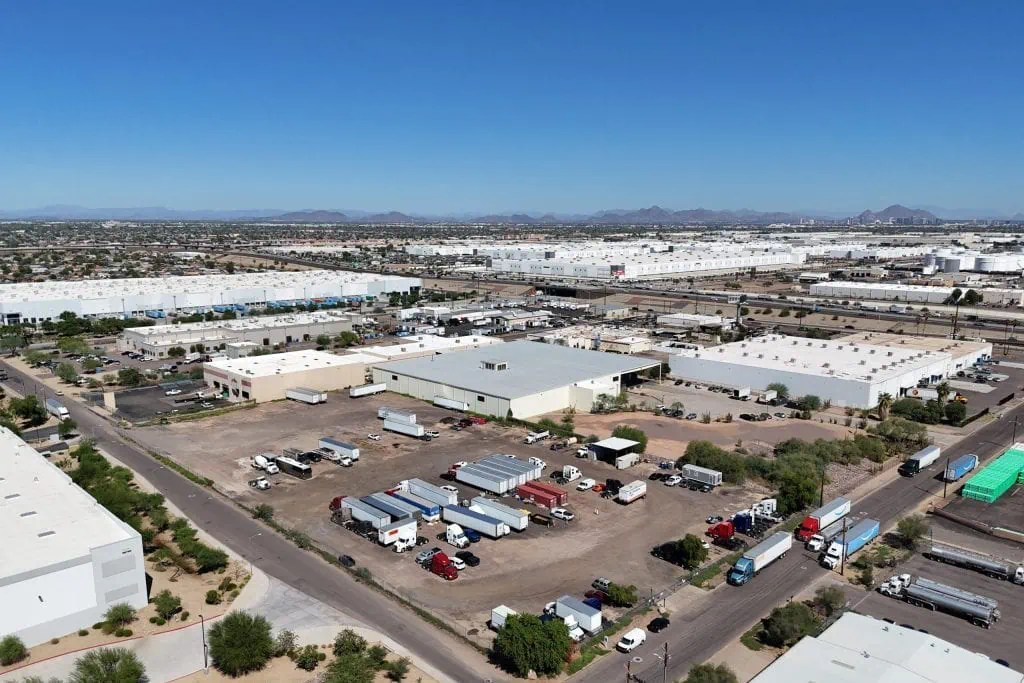
As outdoor storage grows in size and importance, so does the level of risk tied to it. Equipment theft, unauthorized access, and compliance issues can create serious setbacks for construction businesses, especially when valuable assets are involved. A secure and compliant storage setup doesn’t just protect equipment—it protects schedules, budgets, and reputations.
Why Security Matters More as You Scale
When a business is small, security often feels manageable. As fleets grow, that changes quickly. Heavy equipment storage becomes a bigger target, and a single incident can cause major project delays. Outdoor storage should be designed to discourage theft and misuse from the start. Simple choices like controlled access points, clear visibility across the yard, and consistent parking arrangements make it easier to spot issues before they become problems. Whether it’s a private yard or shared commercial storage, security should match the value of what’s being stored.
Navigating Zoning Rules and Local Requirements
Compliance is another area that’s easy to overlook until it becomes a problem. Outdoor storage often comes with zoning regulations, usage restrictions, and permit requirements that vary by location. Contractors searching for “contractor storage near me” may focus on convenience but overlook whether the site is legally approved for their type of operation. Using the wrong space can lead to fines, forced relocation, or interruptions that slow growth at the worst possible time.
Reducing Liability and Operational Risk
Good outdoor storage also reduces liability. Clear traffic flow, proper spacing, and well-maintained surfaces lower the risk of accidents and equipment damage. When outdoor storage is planned with safety and compliance in mind, it creates a more controlled environment for crews and assets alike. Managing risk upfront allows construction businesses to focus on growth instead of constantly reacting to avoidable issues.
Also Read: Contractor Storage Near Me: How to Choose the Right Yard
Building an Outdoor Storage Strategy That Grows With Your Business
As construction businesses expand, the systems supporting them need to grow just as intentionally. Outdoor storage plays a much bigger role than simply holding equipment and materials—it shapes daily efficiency, protects valuable assets, and supports long-term growth. From recognizing when storage becomes a bottleneck to choosing the right setup, protecting heavy equipment, designing smarter yard layouts, and managing security and compliance, each piece works together to create a more reliable operation.
When outdoor storage is treated as part of your infrastructure instead of an afterthought, the benefits show up quickly. Crews start the day faster, equipment lasts longer, and operations feel more controlled instead of chaotic. The right approach reduces wasted time, lowers risk, and makes scaling your business far less stressful.
If your current setup feels cramped, inefficient, or hard to manage, it may be time to take a closer look at how your storage supports your goals. Exploring better outdoor storage options or learning more about commercial storage solutions in your area can be a smart next step. A well-planned storage strategy doesn’t just support where your business is today—it helps prepare you for where it’s going next.