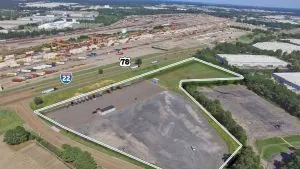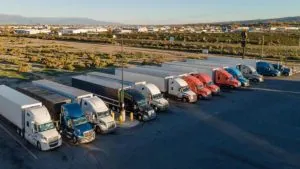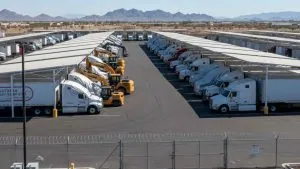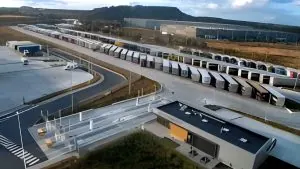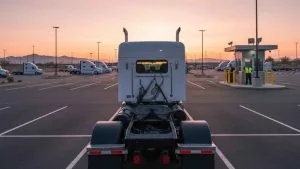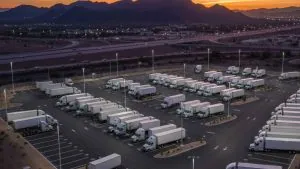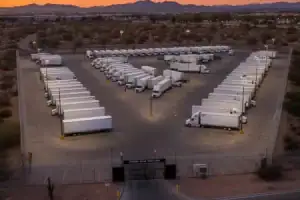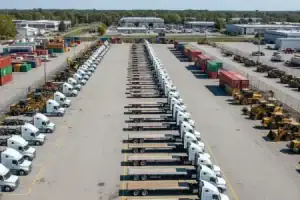


Finding a good spot for your fleet is about much more than just finding an empty lot and pulling in. Not all dirt is the same when you need to store heavy trucks or loaded trailers for long periods. Using industrial land for parking requires a very specific set of features to keep your business running without any unwanted interruptions. You need to think about local zoning rules, the actual ground strength, and how close the site is to the main highway ramps. If you pick the wrong spot, you might face heavy city fines or find your trucks stuck in soft mud after a storm. This guide helps you understand exactly what to look for in a quality lot so you can protect your assets. We want you to make a smart choice for your gear that keeps your costs low and your rigs moving. Having a solid home for your equipment is a huge step toward long-term success in the trucking world.
The Struggle to Find Good Truck Space
Many drivers spend hours hunting for a legal spot to park their rigs. Most public streets do not allow heavy trucks to sit overnight. If you park in the wrong zone, you risk a very expensive ticket. The demand for space is growing every single year as more goods move by truck. You need a dedicated home for your equipment that is legal and safe.
The Hidden Risks of Raw Land
It is tempting to just rent a flat piece of dirt from a random owner. However, raw land often lacks the right drainage or soil density. A heavy rain can turn a dirt lot into a mud pit in minutes. This can trap your trucks and cost you days of work. Professional lots are designed to handle these issues so you stay on schedule.
Zoning and Local Rules
City codes are very strict about where you can park industrial vehicles. Most residential or retail zones will not allow semi-trucks. You must find land that is specifically zoned for heavy industrial use. This protects you from legal trouble with the city or the neighbors. Knowing the rules before you sign a lease is vital for your success.
Key Features of Industrial Land for Parking
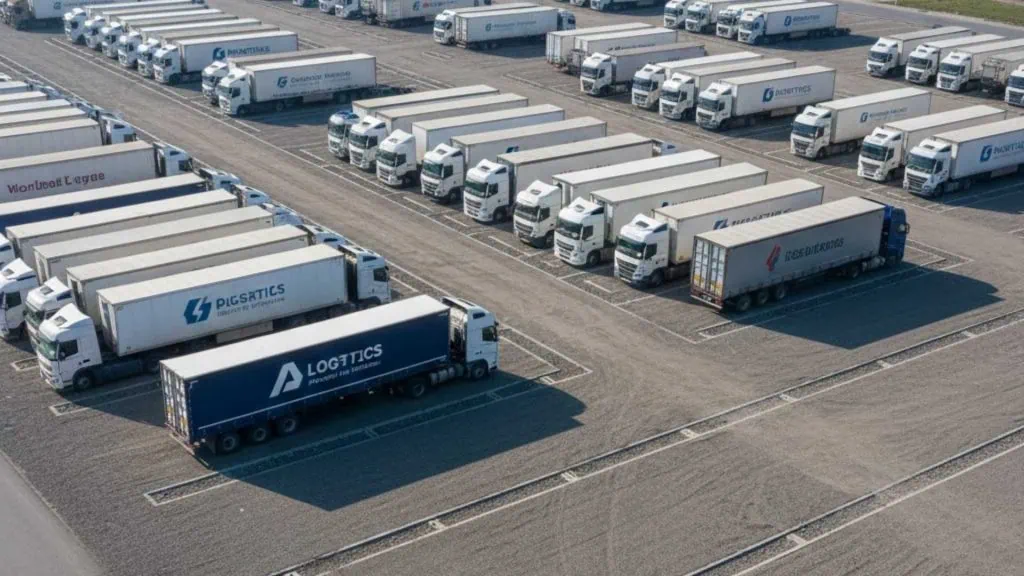
The most important part of any lot is what lies under your tires. A loaded semi-truck weighs thousands of pounds. This weight can crush soft ground or thin asphalt very quickly. Look for land that has a thick base of packed gravel or heavy concrete. This ensures the ground stays flat and strong even under high pressure.
- Packed Gravel: Allows water to drain while staying firm.
- Graded Slope: Prevents water from pooling under your trailers.
- Soil Testing: Ensures the land won’t sink over time.
- Dust Control: Keeps the yard clean and easy to use.
Ease of Entrance and Exit
Trucks need a lot of room to turn and maneuver. A lot with a tiny gate or a narrow road is a nightmare for drivers. Good industrial land for parking offers wide entry points and clear sightlines. This prevents accidents and makes your daily start much faster. You should be able to get in and out without stress.
High Level Security Needs
You are leaving millions of dollars in gear in a single spot. A good yard must have a strong perimeter to keep out intruders. This starts with high-quality fencing and automated gate systems. Paddock Parking focuses on these details to give you peace of mind at night. You should feel good about leaving your keys behind.
Why Technical Details Matter for Your Bottom Line
A bad lot can tear up your tires and shake your suspension. Deep ruts and large rocks cause wear and tear that adds up fast. By choosing a level and maintained lot, you save money on repairs. This keeps your maintenance budget low and your trucks on the road longer. It is a simple way to protect your profit margins.
Saving Time on Every Trip
Time is the most valuable asset for any professional driver. If your lot is far from the highway, you waste fuel and hours. Industrial land near major ramps is worth the extra cost. It allows you to hit the road quickly and return home sooner. Every minute saved is a minute you can spend on a new load.
Professional Amenities for Growth
A quality yard offers more than just a place to sit. You might need water for cleaning or trash bins for your cab. These small perks show that the yard is managed by people who know trucking. It makes your life easier and your business more professional. Look for a partner that wants to help your fleet grow.
- Check Gate Width: Make sure it fits a full trailer turn.
- Inspect the Lights: Ensure you can see clearly at night.
- Review the Layout: Look for wide aisles for easy backing.
- Test the Surface: Walk the lot to check for soft spots.
Making the Final Decision for Your Fleet
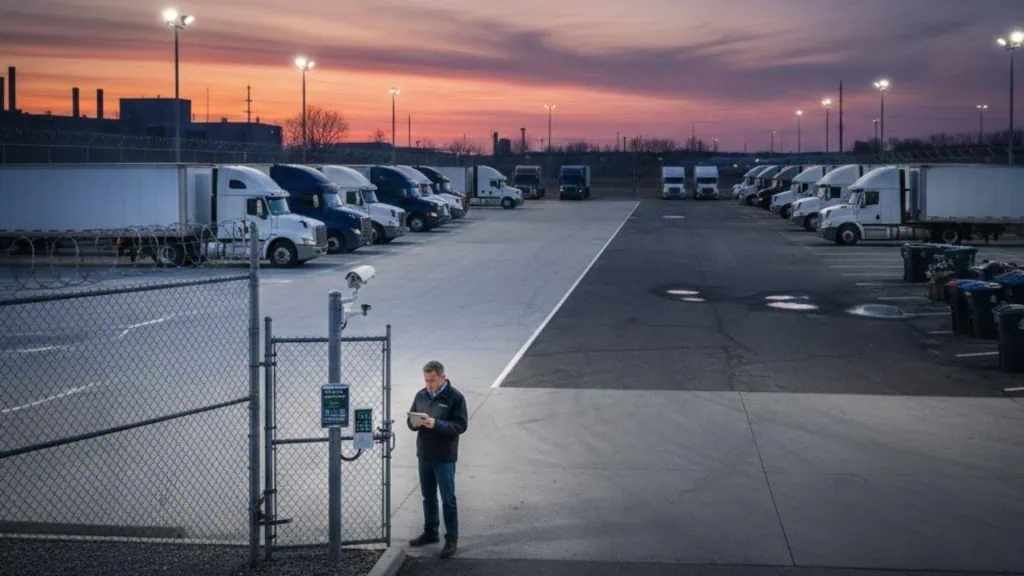
Do not just pick the lot with the lowest monthly price. Think about the security and the location you are getting for that money. A cheaper lot might cost you more in the long run if a theft occurs. Weigh the costs of safety against the price of the lease. A secure spot is a smart investment for any owner-operator.
Flexibility and Lease Terms
Your business needs might change as you get more contracts. Look for a yard that offers flexible terms and room to expand. You don’t want to be stuck in a long deal if you need to move closer to a new client. Professional yards understand the fast nature of the logistics world. They work with you to find the best fit.
Trusting Your Gut Feeling
Visit the land and talk to the people who run the site. Are they easy to reach when you have a question? Is the yard clean and well-kept? These are signs of a good manager who will respect your equipment. Paddock Parking takes pride in being a reliable partner for every tenant. You deserve a team that cares as much as you do.
Conclusion
Finding the right industrial land for parking is the essential foundation of a good trucking business that wants to last. You need a space that is safe, legal, and strong enough to handle your heavy gear day after day without failing. By looking for the right zoning and high ground quality, you avoid major headaches and costly legal battles later on. Do not settle for a dark dirt lot that puts your rig at risk and leaves you worrying all night long.
Take the time to find a professional facility like Paddock Parking that offers the high-level security you truly need. A great parking spot gives you the freedom to focus on your next haul and your family instead of your equipment. Secure your space today and enjoy the peace of mind that comes with a pro yard that respects your work. Your truck is your future and your livelihood, so make sure you give it a safe and reliable home.
Frequently Asked Questions
Q1: What is the best surface for truck parking lots?
The best surface is usually packed gravel or reinforced concrete. These materials can support the weight of a loaded semi without sinking. Gravel also allows for better water drainage during heavy rain storms.
Q2: Does zoning matter if I am just parking a few trucks?
Yes, zoning always matters regardless of your fleet size. Parking industrial vehicles in the wrong zone can lead to heavy fines from the city. It can also cause issues with neighbors who might complain about the noise.
Q3: How much space does a semi-truck need to park?
A standard semi-truck needs a spot that is at least 12 feet wide and 75 feet long. This gives you enough room to back in safely without hitting other trucks. Wide aisles are also needed to allow for a proper turning radius.
Q4: Is security included in most industrial parking leases?
Most professional yards include basic security like fencing and gated access. High-quality yards will also have 24/7 camera recording and bright LED lighting. You should always ask what safety features are included before you sign.
Q5: Can I store trailers without a tractor on industrial land?
Yes, most industrial parking lots allow for trailer-only storage. You must ensure the landing gear is placed on a firm surface like a sand shoe or a wood block. This prevents the trailer from sinking into the ground over time.