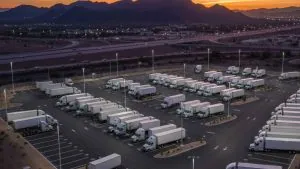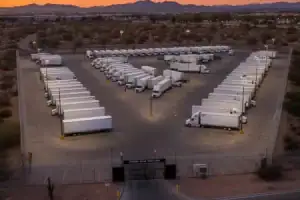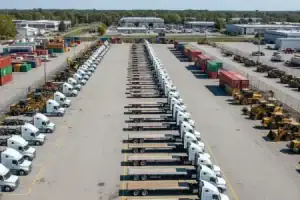


Storing equipment, tools, and materials is something every contractor deals with—but where you keep everything can make or break your workflow, your budget, and even your legal standing. As projects get bigger and timelines get tighter, many pros are turning to outdoor storage as a practical way to manage space and stay organized. But here’s the catch: what seems like a simple solution often comes with a long list of rules, permits, and risks that can quickly turn into costly headaches if you’re not prepared.
Whether you’ve been considering a dedicated contractor yard, exploring commercial storage options, or searching for something as simple as “contractor storage near me,” understanding how outdoor storage is regulated is essential. The goal of this guide is to break everything down in a clear, approachable way—no confusing jargon, no legal-heavy explanations. Just the information you need to make smarter decisions that protect your business, your equipment, and your peace of mind.
By the end, you’ll know exactly what to expect, what to watch out for, and how to choose the right setup for your needs. Let’s dive in.
Understanding Outdoor Storage for Contractors: What Counts and Why It’s Regulated
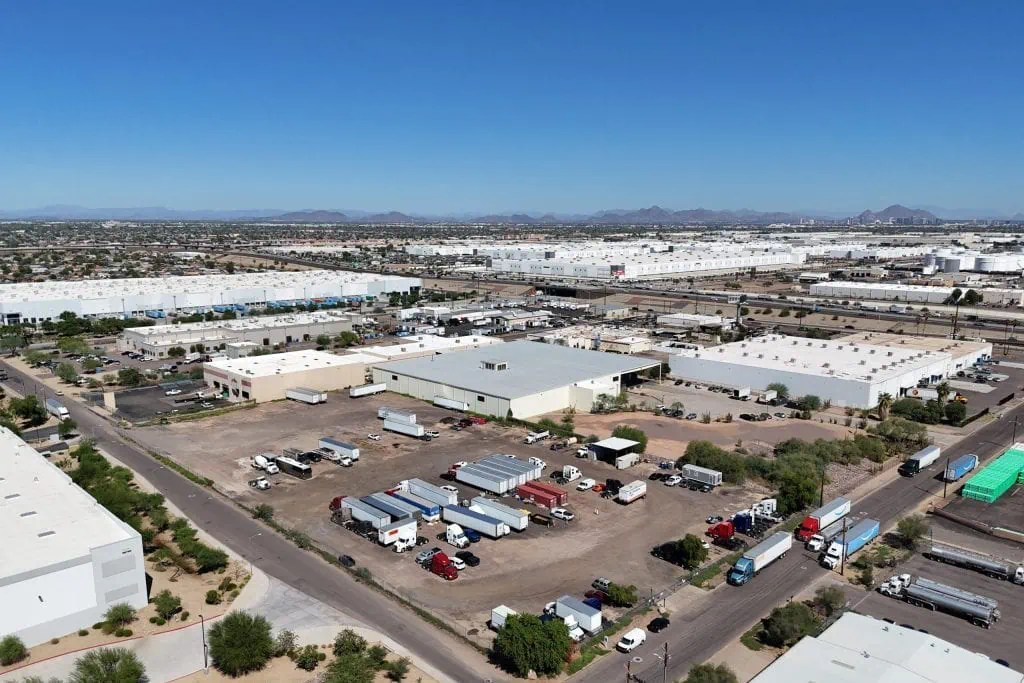
Before diving into permits and regulations, it helps to get clear on what actually qualifies as outdoor storage. Many contractors assume it’s just about parking a truck or stacking materials in an empty lot, but cities tend to view these spaces much differently. And understanding that difference is the first step in staying compliant—and avoiding surprise fines.
What Really Counts as Outdoor Storage?
In most municipalities, outdoor storage includes almost anything contractors leave on a property for ongoing use: lumber, steel, vehicles, trailers, scaffolding, generators, and even jobsite debris waiting for disposal. If it sits outside for more than a short period, it often falls under the same classification as a storage yard.
This is also where heavy equipment storage enters the picture. Bulldozers, loaders, excavators, cranes—anything large enough to cause safety, noise, or environmental concerns typically triggers special rules. Some contractors assume a commercial lot or vacant industrial space automatically works for storage, but zoning laws can say otherwise.
Many professionals start by looking up something like “contractor storage near me” to find a space that can legally accommodate their equipment. But even then, not all facilities are created equal. Some offer general commercial storage, while others are specifically designed to handle contractor needs, including larger machinery and outdoor inventory.
Why Cities Regulate Outdoor Storage So Strictly
At first glance, the regulations may feel overly detailed or restrictive. But from a city’s perspective, outdoor storage impacts several community concerns: safety, environmental protection, visual appeal, property values, and even traffic flow.
Here are a few common reasons municipalities tighten the rules:
-
Safety: Unsecured equipment or materials can create hazards for workers and nearby residents.
-
Environmental risk: Fuel leaks, chemical storage, or runoff from materials like concrete can contaminate soil and waterways.
-
Noise and traffic: Heavy equipment coming and going can disrupt surrounding businesses or neighborhoods.
-
Aesthetics: Large piles of materials or abandoned equipment can quickly turn an area into an eyesore.
These are some of the reasons local governments closely monitor how commercial storage areas and contractor yards are set up and used. They’re not just trying to make things difficult—most regulations exist to prevent accidents, protect communities, and keep industrial activities in the appropriate zones.
The Real Cost of Ignoring the Rules
Skipping permits or assuming a property is “good enough” for storage can lead to consequences contractors don’t always expect. Fines typically start small but can increase daily until the issue is resolved. In more serious cases, contractors have faced shutdown orders, revoked permits, and forced relocation of all materials and equipment—sometimes with only a few days’ notice.
Non-compliance can also create insurance problems. If equipment is stored improperly or on an unapproved site, coverage may not apply in the event of theft, damage, or environmental incidents.
Simply put: understanding the rules around outdoor storage isn’t just about following the law—it’s about protecting your business from avoidable risks and expenses.
The Permit Requirements: What Contractors Need Before Storing Anything Outdoors
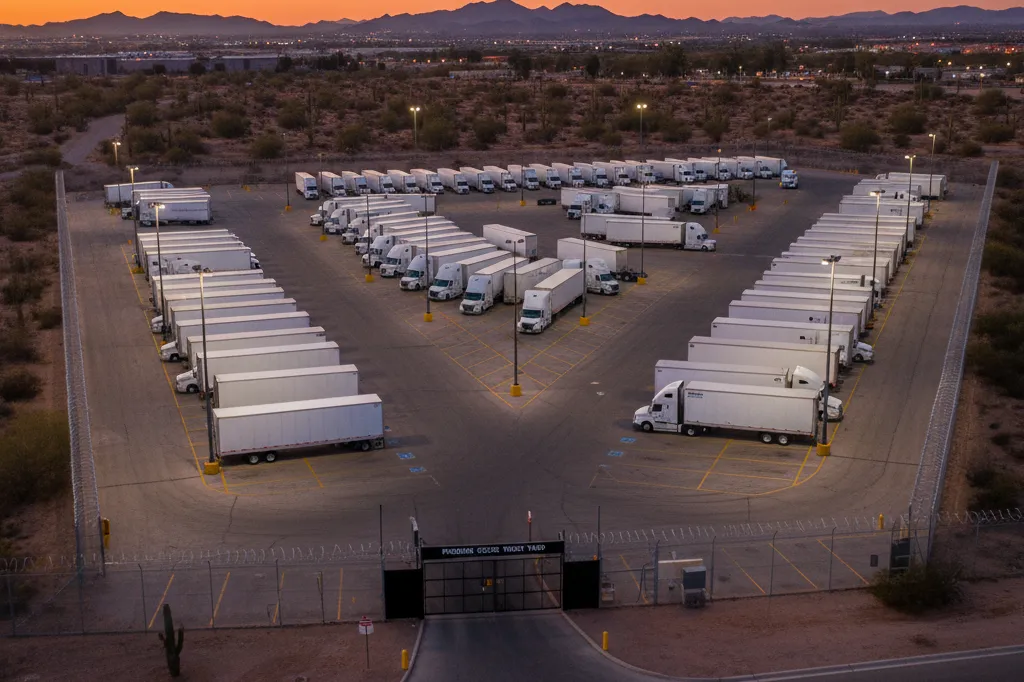
Permits are one of the biggest surprises for contractors who assume outdoor storage is as simple as finding an empty lot and dropping off equipment. Even if you’ve purchased land or discovered a promising location while searching for “contractor storage near me,” most cities won’t allow you to use the space without going through a formal approval process. Understanding that process early can save you from expensive delays, unexpected fines, or even orders to shut down the storage site entirely.
Zoning Comes First
Before anything else, zoning determines whether a property can legally be used for outdoor storage. Cities often divide land into specific categories, and not all zones allow contractor yards, commercial storage, or heavy equipment storage. A wide, vacant property might look perfect, but if the zoning doesn’t match your intended use, storing equipment there could lead to immediate violations.
This is why it’s crucial to check zoning maps or consult the local planning department before committing to a site. When considering a commercial storage facility, a legitimate provider should already have the correct zoning and permits in place, and they should be able to confirm that without hesitation.
Understanding the Permits You’ll Need
Once zoning is confirmed, the next hurdle is securing the necessary permits. Most cities require a general outdoor storage permit that outlines what you’re allowed to store and how the site will be organized. In many areas, a Conditional Use Permit—or CUP—comes into play. This type of permit often includes specific requirements, such as fencing, buffering, lighting, or storage limitations based on the type of materials or equipment involved.
If your outdoor storage area includes fuel tanks, chemical-based products, or equipment that poses environmental risks, you may also need separate environmental approvals. Contractors storing heavy machinery might face additional fire and safety reviews, simply because large equipment introduces higher risks that cities want to manage proactively.
Paperwork, Inspections, and Ongoing Compliance
The permitting process involves more than just an application. Cities expect detailed documentation that shows exactly how your outdoor storage area will operate. This usually includes a site plan describing equipment placement, traffic flow, fencing, lighting, and any environmental protections in place. After submitting these materials, an inspector may visit the property to make sure everything matches the proposed layout.
Even after you receive approval, the city may conduct periodic inspections to ensure the storage yard continues to meet regulations. While the process can feel tedious, it ultimately creates a safer, more reliable setup that protects your business, your workers, and your equipment.
When everything is properly permitted, your outdoor storage area becomes much easier to insure, far less likely to receive complaints, and significantly more secure. Instead of worrying about zoning disputes or sudden violations, you can focus on what really matters—keeping your projects running smoothly.
The Rules and Restrictions Contractors Must Follow (And Many Don’t Know)
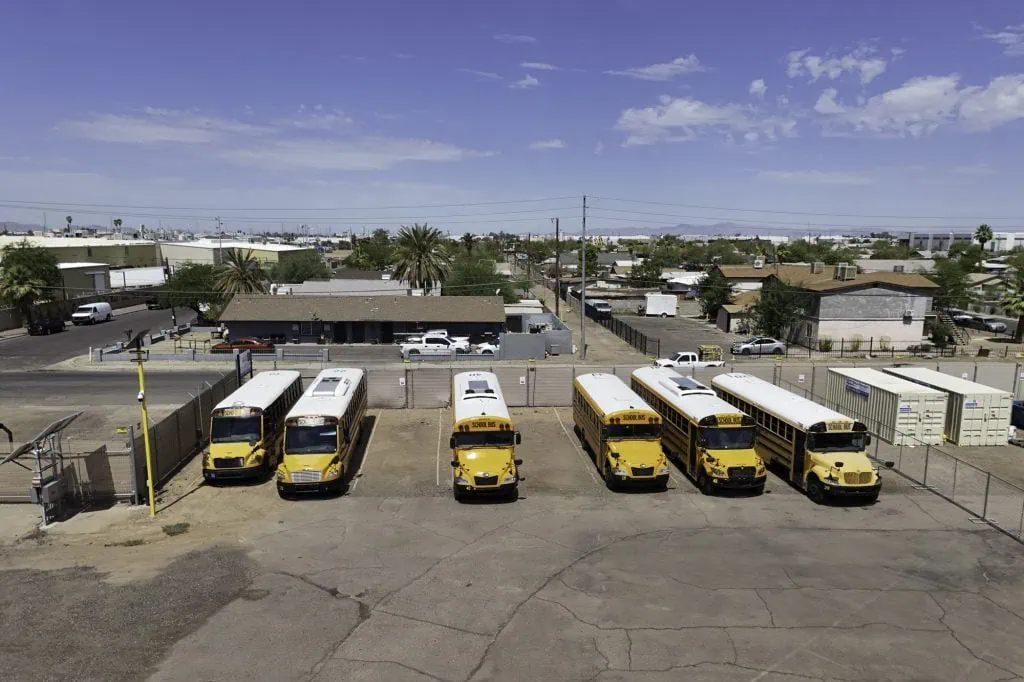
Once the permits are in place, many contractors assume they’re free to use their outdoor storage space however they want. But that’s rarely the case. Cities often have detailed rules outlining exactly how materials, equipment, and vehicles should be handled on-site. These rules aren’t meant to make life difficult—they’re designed to keep the property safe, reduce visual clutter, protect the environment, and ensure nearby businesses or neighborhoods aren’t negatively affected.
How Storage Yards Must Be Laid Out
One of the first surprises contractors encounter is how specific the layout requirements can be. Cities often dictate how far equipment or materials must be set back from property lines, how high items can be stacked, and where vehicles are allowed to enter or exit. Even the placement of heavy machinery matters, especially in areas designated for heavy equipment storage. The goal is to prevent accidents, manage traffic flow, and make sure large equipment doesn’t create hazards or block visibility.
These layout rules might sound strict, but they help maintain order in a space that can easily become crowded or chaotic. A well-planned yard not only satisfies local regulations—it also makes day-to-day work faster and more efficient.
Security and Fencing Requirements
Security is another area where cities tend to be very clear about what is required. Most municipalities expect outdoor storage areas to be enclosed with a secure fence, often a specific height or material depending on the type of equipment stored. Proper lighting may also be required, particularly for commercial storage facilities where equipment is accessed after dark or during early morning hours. In some cases, gated entry systems or posted signage are part of the rules as well.
These measures do more than satisfy city guidelines—they protect your investment. Outdoor storage that isn’t secure is an easy target for theft or vandalism, especially if your yard holds valuable tools, materials, or machinery.
Environmental and Safety Regulations
Environmental rules are another important layer of regulation that contractors must follow. Cities want to ensure that runoff, spills, or stored materials don’t contaminate surrounding soil or water. This is especially relevant in outdoor storage areas that include fuel tanks, solvents, paints, or certain types of jobsite waste. Drainage controls, proper containment, and safe storage practices are often required, even for contractors who only use the area occasionally.
Safety regulations also come into play, particularly when working with large machinery. A yard used for heavy equipment storage must meet specific accessibility and fire-safety standards. These guidelines help prevent accidents, reduce liability, and keep both workers and nearby communities safe.
Time, Noise, and Usage Restrictions
Some contractors are surprised to learn that outdoor storage areas can also be subject to operating restrictions. Depending on the zoning and surrounding area, there may be rules on when equipment can be moved, how much noise is acceptable, or how frequently materials can be delivered or removed. These rules are especially common when storage yards sit near residential neighborhoods or commercial districts where noise and traffic must be controlled.
Taking the time to understand these local restrictions prevents the kind of issues that lead to complaints, citations, or even forced relocation. It also helps you operate more smoothly by avoiding conflicts before they happen.
Also Read: Avoid Fines and Theft: The Real Cost of Not Using Professional Truck Parking