

Finding the right place to store your tools, equipment, and materials shouldn’t feel like a guessing game—yet for many contractors, it often does. If you’ve ever searched for contractor storage near me and felt overwhelmed by the options (or frustrated by the lack of good ones), you’re definitely not alone. The truth is, the storage yard you choose can make or break how smoothly your projects run. From keeping your equipment safe to making sure materials are easy to access when you need them, the right storage setup can save you time, stress, and even money.
In this guide, we’re breaking down exactly what to look for when choosing a contractor storage yard, whether you need space for heavy equipment, commercial inventory, or simple outdoor storage solutions. By the end, you’ll know how to evaluate your options like a pro and confidently pick a facility that supports your business—not slows it down.
Let’s dive in and make your search a whole lot easier.
What to Look for When Searching “Contractor Storage Near Me”
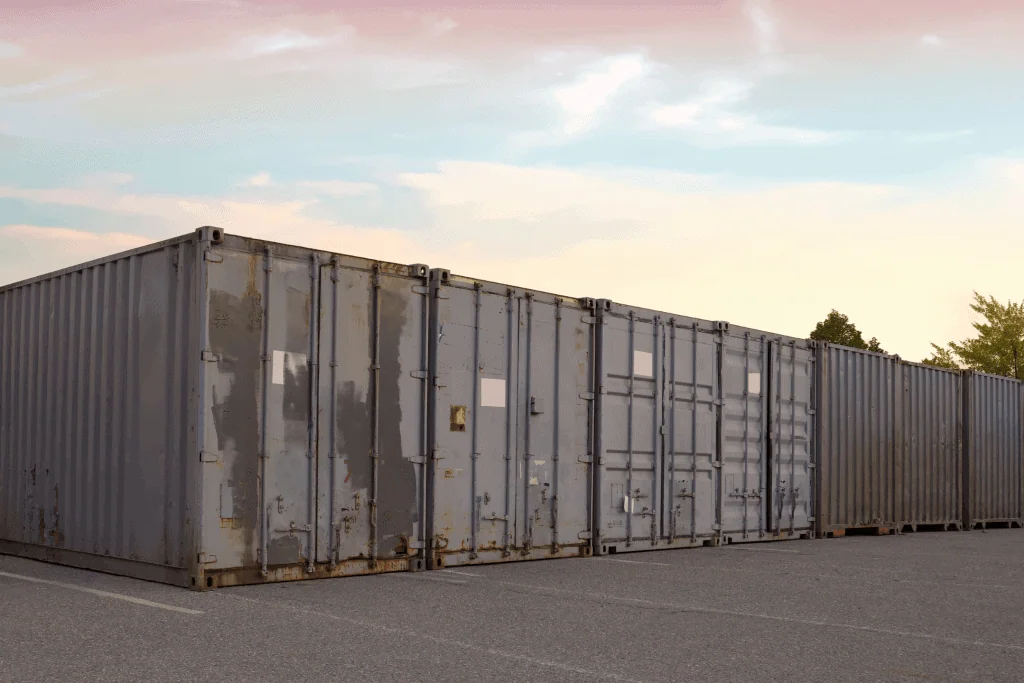
When you type contractor storage near me into Google, it’s easy to get bombarded with options—some great, some questionable, and some that look like they haven’t been updated since the early 2000s. To help you cut through the noise, here’s what actually matters when choosing a storage yard that supports your day-to-day operations.
Location, Distance & Drive-Time Efficiency
Location is one of the biggest make-or-break factors. A yard might look perfect online, but if it’s 45 minutes out of the way, that extra drive time can quickly eat into your team’s productivity—and your fuel budget.
Think about the job sites you visit most often and aim for a yard that fits within a convenient radius. A well-placed storage yard should help your crew get in, grab what they need, and head out without wasting half their morning on the road.
Accessibility & Operating Hours
Construction schedules don’t always fit neatly into a 9-to-5 window. That’s why the best contractor storage yards offer flexible access hours, ideally 24/7 or something close to it.
If your team works early mornings, late evenings, or weekend shifts, having reliable access becomes essential. Make sure the yard’s operating hours actually match your workflow—not the other way around.
Zoning and Compliance Requirements
Here’s something many contractors overlook: zoning laws.
Just because a place looks like it can handle construction materials or equipment doesn’t mean it legally can. Choosing a yard that isn’t zoned properly can lead to unexpected fines or even being forced to relocate your storage.
Before committing, ask the facility about local regulations and whether they’re fully compliant for contractor use. It’s a simple step that prevents major headaches later on.
Yard Size & Layout Considerations
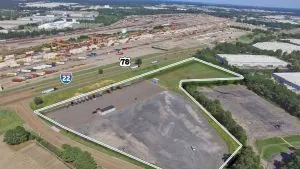
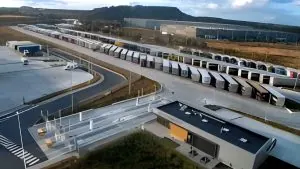
Not all storage yards are created equal. Some are perfect for storing small tools and supplies, while others are designed with heavy equipment, long trailers, or bulk materials in mind.
Take a close look at the layout:
-
Is there enough space for trucks to turn around easily?
-
Are there clear paths and loading areas?
-
Is the surface stable enough for your heavier machinery?
A well-designed yard should feel safe, organized, and practical—not cramped or chaotic. The right setup makes it easier to get in, load up, and move on with your day.
Security Features Every Storage Yard Should Have
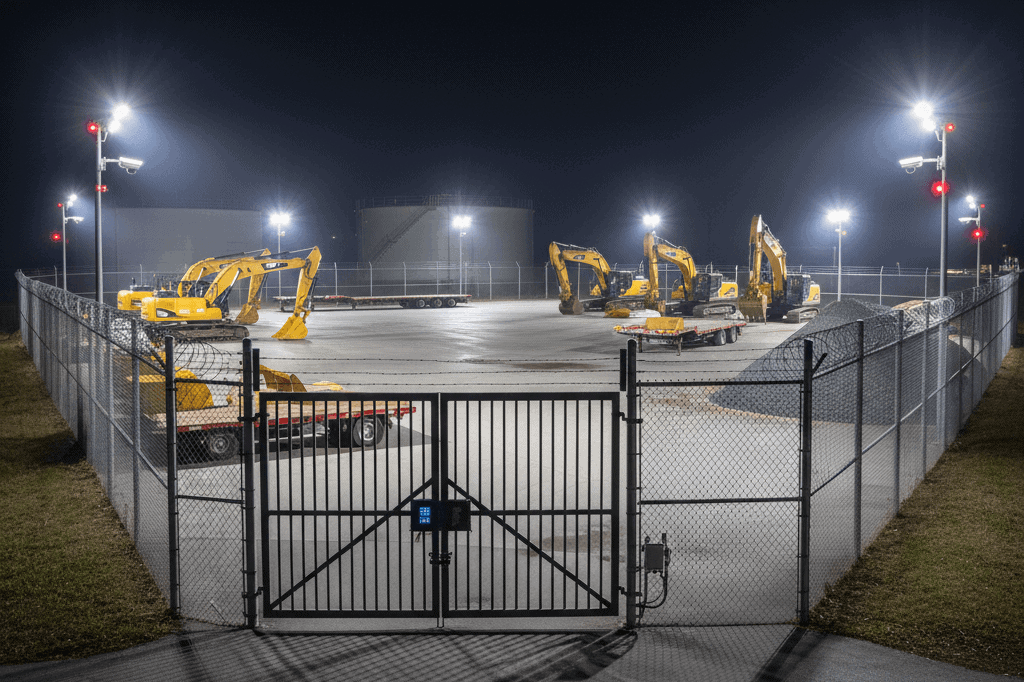
When you’re comparing options after searching contractor storage near me, one thing matters more than anything else: security. Your tools, materials, and heavy equipment aren’t just assets—they’re the backbone of your business. If they’re not protected, your timeline, budget, and peace of mind are all at risk. That’s why choosing a yard with strong security features is absolutely essential.
Perimeter & Physical Security
A great storage yard starts with a solid physical foundation. The perimeter should be secured with sturdy fencing that’s tall, well-maintained, and clearly designed to keep unauthorized people out. Gated access should feel stable and professional—not flimsy or easy to tamper with. If the fences look weak or the gate looks like it’s been through one too many storms, it’s a good sign the facility may not take security as seriously as you need them to.
Surveillance Technology
Modern storage yards understand that cameras are more than just a deterrent—they’re a critical part of protecting your property. Look for a facility that uses 24/7 video surveillance or motion-activated cameras that monitor key areas like entry points and high-value storage zones. Some yards even use remote monitoring or license plate tracking to keep a record of who comes and goes. These features help create a safe environment where your equipment stays protected around the clock.
Theft & Vandalism Prevention Policies
Technology is important, but a storage yard also needs strong internal policies. Ask how the facility handles incidents, who is allowed on-site, and whether they keep detailed access logs. A reliable yard will have a clear, professional approach to preventing theft and vandalism, and they should be able to explain their security measures without hesitation. If the staff seems unsure or can’t answer simple questions about safety, that’s a sign to keep looking.
Insurance Considerations
Even the most secure yard can’t guarantee that nothing will ever happen, so insurance plays a major role in protecting your business. Some storage facilities offer limited coverage, while others require you to bring your own insurance for items stored on-site. Make sure you understand what’s included and what isn’t. Knowing the level of protection you have helps you avoid unpleasant surprises in the future and ensures your equipment is financially protected no matter what.
Comparing Storage Types: Commercial Storage vs. Outdoor Storage vs. Heavy Equipment Storage
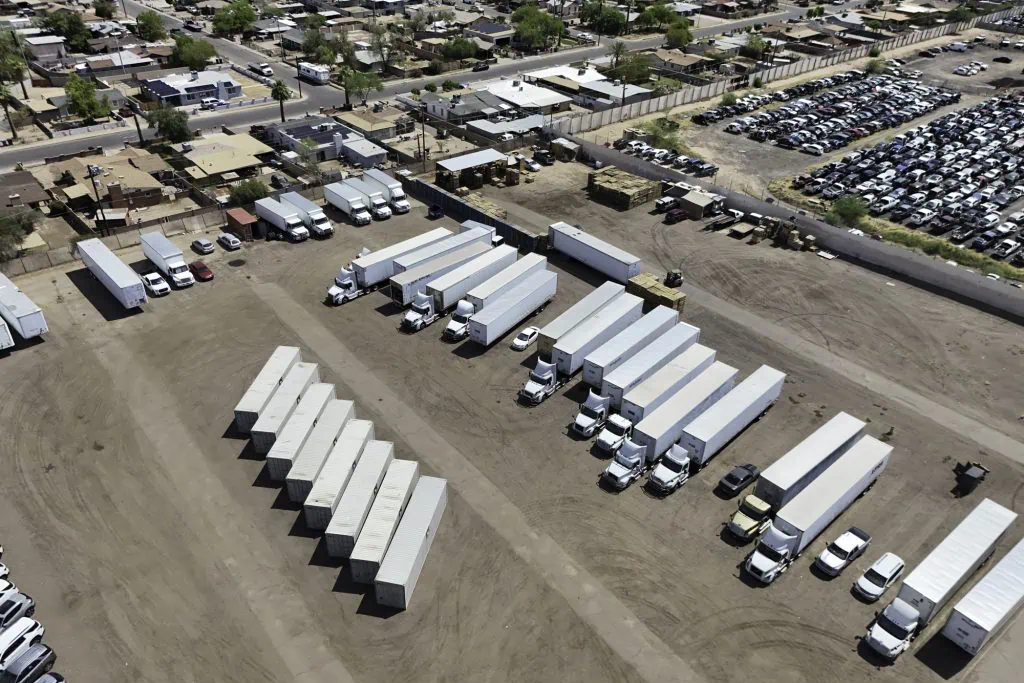
As you narrow down your options after searching contractor storage near me, it’s important to understand that not all storage types are created equal. Different yards offer different setups, and choosing the wrong one can lead to wasted money, damaged materials, or logistical headaches you definitely don’t need. Understanding the difference between Commercial Storage, Outdoor Storage, and Heavy Equipment Storage will help you figure out exactly what fits your business and your workflow.
What Commercial Storage Really Means
Commercial Storage is typically your best option when you need a secure, protected environment for tools, inventory, or materials that shouldn’t be exposed to the elements. This type of storage is often in an enclosed or partially sheltered space, giving you an extra layer of protection from weather and temperature changes. It’s especially useful if you handle items that are sensitive to moisture, rust, or general wear and tear. If your day-to-day operations involve specialty tools, fixtures, or supplies that you want to keep in top condition, commercial storage can be a smart long-term investment for your business.
When Outdoor Storage Makes the Most Sense
Outdoor Storage is a great fit for materials and equipment that don’t need a roof over their heads. Think lumber, scaffolding, piping, or jobsite materials that are already built to withstand the environment. Outdoor yards usually offer larger open areas where you can easily back in a truck, unload materials, or store items you need regular access to. The key is choosing a facility with a clean, level, and well-drained surface—muddy yards or uneven gravel can lead to equipment damage or slowdowns. If you have bulky materials your team needs to grab quickly and often, outdoor storage can be the ideal option.
Why Heavy Equipment Storage Is Its Own Category
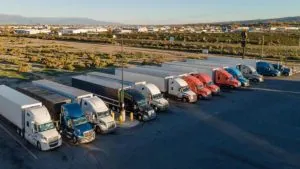
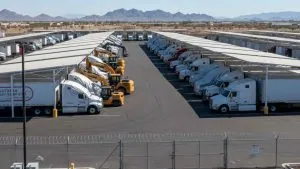
Heavy Equipment Storage is designed specifically for machinery that requires more space, more stability, and more protection. Whether you’re storing excavators, loaders, skid steers, or other large machines, you need a yard that can actually support that weight without sinking or shifting. The layout also matters here; your equipment should have enough room to maneuver safely, enter and exit easily, and park securely without crowding other renters. A facility that understands heavy equipment will prioritize durable ground surfaces, wide drive lanes, and proper spacing. If your business relies on machinery that’s expensive to repair or replace, choosing the right heavy equipment storage yard is nonnegotiable.
How to Know Which One You Need
The best storage choice depends on the type of work you do, the materials you handle, and how your team operates. If organization and tool protection are priorities, Commercial Storage may be the best fit. If you need quick, convenient access to bulky materials, Outdoor Storage might be the way to go. And if your business revolves around large machinery, Heavy Equipment Storage will give you the dedicated space and support you need. Understanding these differences helps you choose a facility that matches your workload and avoids the frustrations that come with a space that just isn’t built for your needs.
Cost Breakdown — What Affects the Price of Contractor Storage?

As you compare options after searching contractor storage near me, you’ll probably notice that prices can vary a lot from one facility to the next. Some yards look surprisingly affordable, while others seem to charge a premium. Understanding what actually drives those costs will help you choose a storage solution that fits your budget without sacrificing the quality and security your business needs.
How Location Impacts Pricing
Just like real estate, location plays a huge role in storage costs. A yard closer to busy commercial districts or major highways typically comes with a higher price tag, simply because demand is higher. On the flip side, a facility a bit farther out may offer lower rates but cost you more in fuel and travel time. The trick is finding the right balance. A slightly higher monthly fee might be worth it if it saves your team from long detours every morning.
Size, Layout, and Accessibility
The amount of space you need directly affects the price. A compact spot for tools and smaller materials won’t cost the same as a large open area meant for multiple vehicles or heavy equipment. But beyond size, the way the yard is designed matters too. Wide drive lanes, easy access points, and organized layouts typically come at a premium because they’re simply more convenient. If a facility offers 24/7 or extended access hours, that can also increase the cost since it requires additional security and staffing.
Security and Facility Quality
Strong security features—like surveillance systems, secure fencing, and controlled gate access—often contribute to slightly higher pricing, but they also provide real value. A bargain yard that skimps on security can become far more expensive if theft or damage occurs. High-quality facilities also tend to invest in better lighting, stronger surfaces, and more frequent maintenance, which all contribute to smoother day-to-day use.
Hidden Costs You Might Not Expect
Some expenses aren’t listed on the pricing sheet but still affect your bottom line. Travel distance is a big one—extra fuel can add up quickly if the yard is far from your main job sites. You might also encounter fees for oversize equipment, extended hours, or changes to your rental space. And if the yard has poor drainage or unstable ground, repair costs for your equipment can sneak up on you.
Being aware of these hidden factors helps you choose a contractor storage yard that doesn’t just look affordable but actually makes financial sense in the long run.
Also Read: Outdoor Storage Solutions to Keep Equipment Safe
Find the Storage Yard That Truly Works for You
Choosing the right storage solution can feel overwhelming at first, but once you know what to look for, the process becomes much clearer. From understanding the difference between Commercial Storage, Outdoor Storage, and Heavy Equipment Storage to knowing how location, layout, and security impact your day-to-day operations, you now have the tools to make a confident, informed decision. More importantly, you’ve seen how much time, money, and stress you can save by picking a yard that actually supports your workflow instead of slowing you down.
So the next time you search for contractor storage near me, you’ll know exactly how to evaluate each option and what questions to ask. Whether you’re expanding your business, prepping for a new project, or simply tired of dealing with overcrowded jobsite storage, the right facility is out there—and it can make a huge difference in how efficiently you operate.
If you’re ready to take the next step, start exploring nearby storage yards, compare their features, and reach out to ask about availability. The perfect spot for your tools and equipment is closer than you think—now you just have to claim it.